 ultimate-guide
Hardest Month to Sell a House: 2026 Guide
Table of Contents
- Why December and January Are the Hardest Months to Sell a House
- Seasonal Market Trends That Impact Home Sales
- How Long Does It Take to Sell a House in Off-Season Months
- Selling a House as-Is for Cash During Slow Market Periods
- How to Sell a House Fast in a Slow Market
- Regional Variations: Does the Hardest Month Differ by Location
- When Off-Season Selling Makes Sense for Your Situation
Last Updated: August 25, 2026
Why December and January Are the Hardest Months to Sell a House
December and January represent the most challenging months for home sellers. Buyer demand drops significantly as cold weather, holiday distractions, and year-end financial priorities pull attention away from real estate. Fewer active buyers means fewer potential offers and longer days on market.
The holiday season creates reduced market activity. Most families focus on celebrations and travel rather than house hunting. Serious buyers who search during this period tend to be highly motivated by job relocations, divorce settlements, or inherited properties, not seasonal interest. This shifts negotiation dynamics in the buyer's favor.
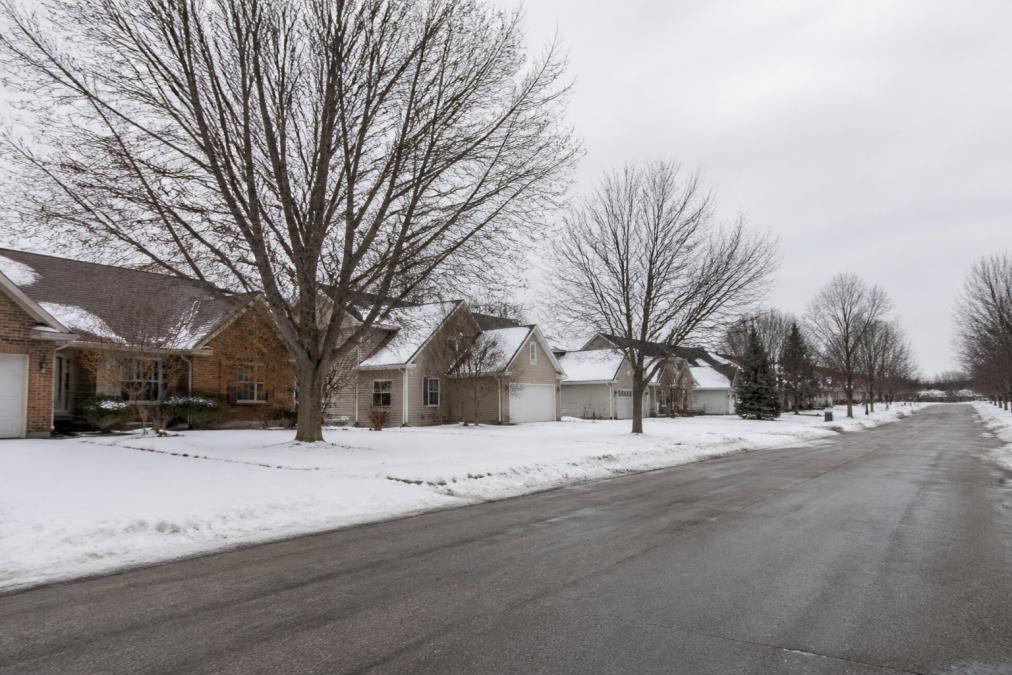
Winter weather becomes a liability. Properties show poorly in cold, gray conditions (realtor.com). Curb appeal suffers when landscaping is dormant, snow covers the yard, and showings occur in darkness. The psychological impact of off-season buying means fewer alternatives but higher buyer expectations.
Homes that do list in December and January tend to be motivated by genuine urgency, foreclosures, inherited properties, job transfers. You're competing against sellers with situations as difficult as yours, often with lower asking prices. For sellers without urgent timelines, waiting until spring typically produces better results. But for those facing forced sales through inheritance, pre-foreclosure, divorce, or tenant problems, understanding how to navigate winter selling becomes essential.
Seasonal Market Trends That Impact Home Sales
Seasonal fluctuations follow predictable patterns driven by buyer behavior, weather, and life circumstances. Spring and early summer represent peak buying seasons when families prefer to move and weather cooperates. Fall remains moderately active. Winter sees the steepest decline, with January typically the slowest month.
These trends affect pricing power, negotiation leverage, and selling timelines. Properties listed in spring command higher prices and sell faster. The same property listed in January faces downward pricing pressure and extended marketing periods.
Market saturation plays a crucial role. During peak seasons, hundreds of homes compete for buyer attention. During off-season months, less inventory means individual properties receive more showings per listing, but the total qualified buyer pool is dramatically lower.
Interest rates and economic conditions also shift seasonally. Year-end financial planning affects buyer purchasing power, and holiday spending reduces available capital for down payments. Buyers who purchase in December and January often do so because they must, not because they want to.
Regional variations matter significantly. Cold-weather climates experience sharper winter declines than temperate regions. Understanding your specific region's seasonal trends, not national averages, helps set realistic expectations.
How Long Does It Take to Sell a House in Off-Season Months
Days on market increase substantially during winter. Properties that sell in 20-30 days during spring may take 60-90 days or longer in December or January (nar.realtor). This extended timeline affects carrying costs, property maintenance, and seller stress.
Off-season properties often receive minimal showing activity, one or two showings per week instead of five or six. This slow pace creates psychological pressure and uncertainty about whether the property will sell at all.
Closing timelines also extend during winter. Holiday schedules, reduced lender staffing, and slower appraisal processes can add weeks. What typically closes in 30-45 days might stretch to 60+ days.
However, aggressive pricing during off-season months can reduce days on market significantly. A 10-15% discount from spring pricing might reduce days on market from 90 days to 45 days. For sellers facing forced timelines, accepting the reality of extended marketing periods helps set expectations.
Some sellers in urgent situations work with cash buyers like OneRoof Real Estate, which closes in as little as 7 days regardless of season, eliminating the extended timeline problem entirely.
Selling a House as-Is for Cash During Slow Market Periods
Selling as-is for cash removes seasonal disadvantage by eliminating inspection contingencies, repair negotiations, and financing delays. This approach works particularly well during slow market periods when traditional buyers are scarce.
Cash sales bypass the inspection and appraisal process entirely. Buyers purchasing for cash don't need lender approval, eliminating two major complications in winter sales. Properties with foundation issues, code violations, or deferred maintenance become non-issues in cash transactions.
Cash offers typically run 15-25% below market value compared to traditional sales (investopedia.com). However, that discount often represents less total loss than combined costs of extended marketing, price reductions, carrying costs, and repair negotiations in traditional winter sales.
For sellers with inherited properties, pre-foreclosure situations, tenant problems, or properties requiring extensive repairs, the speed and certainty of cash sales often outweigh the pricing discount. Inherited property owners living out of state can't easily manage seasonal marketing timelines. Sellers facing foreclosure need speed more than maximum price. Landlords with problem tenants need to exit quickly.
OneRoof Real Estate specializes in this type of transaction. The company purchases properties in any condition, foundation issues, code violations, fire damage, tenant problems, without repairs, inspections, or contingencies. Offers come within 24 hours, closing happens in 7 days, and sellers choose the closing date.
How to Sell a House Fast in a Slow Market
Selling quickly during slow market periods requires aggressive pricing strategy and realistic expectations. Accept that winter pricing differs from spring pricing. Properties that might list for $400,000 in May might need to list for $360,000 in January to attract comparable buyer interest.

Curb appeal adjustments become critical. Snow removal must be immediate and thorough. Landscaping should be tidied despite dormancy. Consider adding seasonal touches like fresh mulch in beds. Exterior lighting becomes more important as showings occur in darkness.
Interior staging matters more during slow seasons because each showing carries more weight. Decluttering, neutral paint colors, and minimal personal items help buyers envision the space. Warm lighting and a clean, organized home create positive impressions that influence decisions.
Pricing strategy deserves the most attention. Rather than listing at market value, consider pricing strategically below market to generate multiple showings and create perceived value. A property priced 8-10% below market might generate five showings in two weeks, leading to competitive offers.
Professional photography becomes non-negotiable. Multiple online platforms, targeted advertising, and agent networks must work harder to surface your property to the limited buyer pool. Consider offering incentives like covering closing costs or providing a home warranty.
Flexibility on terms matters significantly. Offering reasonable flexibility on closing timelines, inspection periods, and contingencies makes your property more attractive without affecting your bottom line.
Regional Variations: Does the Hardest Month Differ by Location
The hardest month to sell varies significantly by region, climate, and local economic conditions. Cold-weather states experience sharper winter declines than temperate regions. Coastal markets and resort destinations follow different seasonal patterns. Second-home buyers in ski towns often shop during winter months, creating counter-seasonal demand.
Economic conditions and local employment create regional variations. Markets with strong year-end business activity might see different seasonal patterns than markets dependent on agriculture or seasonal tourism.
Population demographics affect seasonal trends. Markets with high concentrations of families with school-age children see sharper summer peaks. Markets with older populations might show less pronounced seasonal variation.
For sellers in the Wichita area and surrounding regions, winter represents a genuine challenge. Kansas winters create weather-related showing difficulties, and the regional market experiences typical cold-climate seasonal declines. Working with local real estate professionals who understand Sedgwick County's specific seasonal patterns provides more accurate guidance than national statistics.
When Off-Season Selling Makes Sense for Your Situation
Despite winter challenges, certain situations make off-season sales strategically sound. Inherited property owners living out of state often cannot manage extended marketing timelines. Managing a property remotely while it sits on market for 90+ days creates logistical nightmares. Accepting winter pricing in exchange for quick resolution makes financial and practical sense.
Pre-foreclosure situations demand speed above all else. When facing foreclosure deadlines, selling in December might be your only option to avoid losing the property entirely. The pricing discount becomes irrelevant compared to foreclosure.
Divorce settlements requiring quick asset liquidation often occur during winter months. Quick sales prevent prolonged disputes and legal complications. The cost of extended litigation often exceeds the seasonal pricing discount.
Problem tenant situations create urgency that overrides seasonal considerations. Landlords dealing with non-paying tenants or property damage need to exit quickly. Waiting for spring means months of additional losses and legal fees.
Properties requiring extensive repairs often sell better as-is during slow seasons than after expensive renovation. The same property sold as-is for cash in January closes in one week, eliminating months of carrying costs.
Job relocations with firm deadlines require selling on the company's timeline, not the market's. Employees transferred in December need to sell quickly regardless of seasonal disadvantage.
Sellers with limited financial reserves cannot afford extended carrying costs. Every month on market costs money. Quick sales during slow seasons prevent financial deterioration that extended marketing would cause.
| Situation | Timeline Urgency | Seasonal Pricing Impact | Best Approach |
|---|---|---|---|
| Inherited out-of-state property | High | Accept 10-15% discount | Cash sale or aggressive pricing |
| Pre-foreclosure | Critical | Irrelevant vs. foreclosure | Fast sale regardless of season |
| Divorce settlement | High | Secondary to speed | Quick close, accept market conditions |
| Problem tenant | High | Accept discount for exit | Cash sale or as-is listing |
| Major repairs needed | Medium | Often less than renovation | Sell as-is, avoid repair costs |
| Job relocation deadline | High | Accept timing constraints | Sell on company timeline |
| Limited financial reserves | High | Must minimize carrying costs | Quick sale prevents deterioration |
Selling during the hardest month to sell a house isn't ideal, but it's manageable with realistic expectations and strategic decisions. December and January create genuine challenges, reduced buyer demand, seasonal pricing pressure, extended timelines, and weather-related showing difficulties. However, these challenges aren't insurmountable for sellers facing urgent situations.
The key is understanding your specific circumstances and choosing the approach that matches your priorities. Traditional marketing with aggressive pricing works for sellers willing to wait 60-90 days. As-is cash sales work for sellers needing speed and certainty. OneRoof Real Estate specializes in purchasing properties in any condition without repairs, inspections, or contingencies, closing in 7 days, and covering all costs and commissions. For sellers dealing with inherited properties, pre-foreclosure situations, problem tenants, or properties requiring extensive repairs, this approach eliminates seasonal disadvantage entirely. Contact OneRoof Real Estate for a fair cash offer and get the process started today.
Frequently Asked Questions
What is the hardest month to sell a house?
December and January are typically the hardest months to sell a house. Holiday distractions, cold weather, reduced buyer activity, and lower inventory visibility all combine to slow transactions. February can also be challenging due to winter weather and post-holiday budget constraints. However, the hardest month varies by region, areas with harsh winters may see extended slowdowns through March, while warmer climates may experience different peaks and valleys in buyer demand.
How long does it take to sell a house during the off-season?
Off-season home sales typically take 60-90 days or longer, compared to 30-45 days during peak spring and summer months. Days on market increase significantly when buyer demand drops. Market inventory levels, interest rates, and local economic conditions also affect timing. Sellers willing to price competitively or accept as-is offers can accelerate the process, sometimes closing in 7 days through cash buyers rather than waiting months for traditional sales.
Can I sell a house as-is for cash if I need to sell during a slow market month?
Yes. Cash buyers purchase properties in any condition year-round, regardless of season or market saturation. Selling a house as-is for cash eliminates the need for repairs, staging, or inspections, eliminating delays common in traditional sales. This option is especially valuable during hard-to-sell months when buyer demand is low and negotiation leverage favors buyers. You can close in days rather than months, making it ideal for inherited properties, pre-foreclosure situations, or divorce settlements.
Does selling in the hardest months mean I'll get a lower price?
Yes, typically. Off-season months see reduced buyer sentiment and lower transaction volume, which often results in lower asking prices and seller premiums. Market saturation is lower, but so is buyer competition. However, pricing depends on property condition, local market inventory, and interest rates. Homes with unique features or in desirable neighborhoods may maintain value better. Cash offers during slow months may appear lower than estimated market value, but they avoid months of carrying costs, failed showings, and price reductions.
This article was written using GrandRanker