 how-to
How to Sell Your House for Cash: Step-by-Step Process
Table of Contents
- Step 1: Determine Your Home's Market Value
- Step 2: Find and Vet Cash Buyers
- Step 3: Request and Compare All-Cash Offers
- How Long Does a Cash Home Sale Take
- Documents Needed to Sell House for Cash
- Pros and Cons of Selling to Cash Buyers
- The Closing Process: From Contract to Keys
Last Updated: August 21, 2026
Step 1: Determine Your Home's Market Value
Before contacting cash buyers, establish a realistic market value. Cash buyers offer based on resale potential minus acquisition costs and profit margin. Without knowing your market value, you're negotiating blind.
Pull comparable sales data for similar homes sold in the last 90 days within a half-mile of yours. Recent sales reveal what buyers actually paid, not asking prices. Focus on properties with similar square footage, lot size, and condition.
Online tools like Zillow and Redfin provide starting estimates but don't account for deferred maintenance, code violations, or condition issues that cash buyers heavily discount. A home needing $30,000 in foundation work will appraise at market value, but a cash buyer will discount significantly.
For properties in poor condition or with unusual issues, consider a professional appraisal ($400-600). An appraiser provides a defensible number backed by expertise, especially valuable when negotiating with multiple buyers.
Document condition honestly. Walk through and note structural issues, systems needing replacement, code violations, and deferred maintenance. Cash buyers will inspect anyway, so transparency now prevents deal-killing surprises later.
Step 2: Find and Vet Cash Buyers
Finding legitimate cash buyers requires diligence. Not all companies operate the same way. Some are professional with transparent processes; others use aggressive tactics and lowball offers designed to exploit distressed sellers.
Search online for "cash home buyers near me" or "[your city] we buy houses." You'll find local investors, national franchises, and companies like OneRoof Real Estate that specialize in direct purchases. Check their websites for operating history, service areas, and stated process.
Verify legitimacy before sharing personal information. Check the Better Business Bureau for ratings and search the company name plus "complaints" or "reviews." Legitimate cash buyers have transparent processes and clear communication. Red flags include pressure tactics, vague timelines, or reluctance to answer questions.
Request references from past clients. A reputable buyer will provide contact information for previous sellers. Ask whether the buyer closed on time, matched the promised offer, and kept the process straightforward.
Contact multiple buyers and request formal offers. Don't settle for phone estimates. Legitimate buyers will schedule inspections and provide written offers within 24 hours, giving you competitive data and preventing anchoring to a single low number.
Step 3: Request and Compare All-Cash Offers
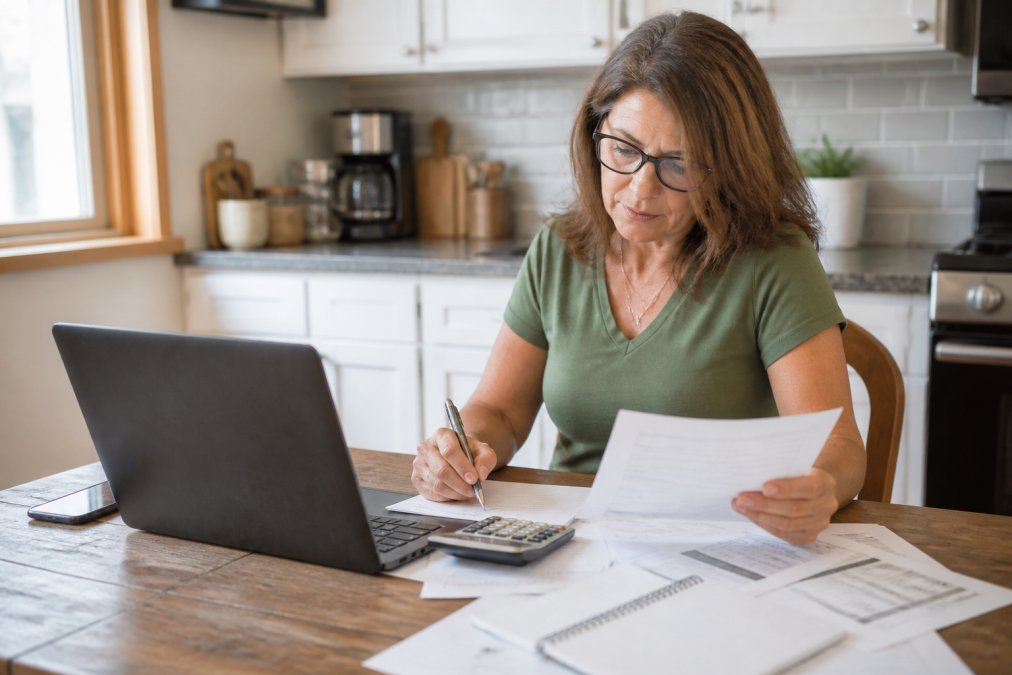
Once you've identified 2-3 qualified buyers, request formal offers. This is where negotiation begins. A cash offer includes purchase price, closing timeline, and what costs the buyer covers.
Provide complete property information: square footage, lot size, year built, condition issues, liens, and code violations. Incomplete information leads to lowball estimates. Transparency prevents renegotiation later.
The inspection process varies. Some buyers walk through themselves; others send inspectors. OneRoof Real Estate conducts inspections to understand true condition and make fair offers within 24 hours.
Compare offers on more than price. Evaluate the full package: closing costs covered, closing speed, required repairs, and contingencies. A slightly lower offer covering all closing costs and closing in 7 days may beat a higher offer with contingencies and delays.
Document each offer in writing. A legitimate buyer provides a purchase agreement showing offer price, earnest money, closing date, and terms. Review carefully, this is binding.
Negotiate from strength. With multiple offers, use that advantage. Tell buyers you're comparing offers and ask if they can improve terms. Sometimes buyers will increase offers slightly or accelerate closing.
Don't accept the first offer unless it meets your needs. Cash buyers expect negotiation. If an offer is significantly below market value, ask why and request a valuation breakdown. This conversation often leads to improved offers.
How Long Does a Cash Home Sale Take
Most cash sales close in 7-14 days from contract to keys (nar.realtor). This speed is a primary advantage of selling to cash buyers.
Timeline depends on several factors. Title companies need 3-5 days for lien searches and document preparation. Buyers need 1-2 days to fund once documents are signed. Complications like outstanding liens, code violations, or title issues can extend closing to 2-3 weeks.
Your closing date is negotiable. Unlike traditional sales where lenders control timing, you and the buyer agree on a specific date. Request 7 days for quick closing or 21 days if you need time to move. OneRoof Real Estate lets sellers choose their closing date, giving you control.
This compares to traditional selling's 30-45 day timeline. You save weeks or months by selling to a cash buyer, critical if facing foreclosure, managing inherited property, or needing quick liquidation.
Speed also reduces uncertainty. Traditional sales risk buyer financing falling through. Cash sales eliminate this, the buyer has already demonstrated proof of funds, making closing far more likely.
Documents Needed to Sell House for Cash
Selling for cash requires specific documentation. Having these organized before closing begins speeds the process.
Provide your deed, the legal document proving ownership. The title company uses this to verify ownership and prepare the new deed transferring to the buyer. If lost, the title company can obtain a copy from county records.
Gather property tax records for the past year from your county assessor's office. The buyer needs these to understand tax obligations and ensure no tax liens exist.
Provide proof of any liens. If you have a mortgage, get a payoff statement showing the exact amount to clear the lien. Cash buyer funds will pay this at closing. Disclose other liens, judgment, tax, HOA, upfront so the buyer can factor them into their offer.
Disclose known code violations or defects. Most states require seller disclosure. Even in "as-is" sales, disclosure protects you from post-closing liability. Provide inspection reports, repair estimates, or documentation of known issues.
Provide utility account information. The title company needs this to ensure utilities are in your name at closing and transferable to the buyer. Include account numbers and provider contact information.
If in an HOA, provide bylaws, current fees, outstanding violations, and account statements showing whether you're current on dues.
Organize any warranties or service contracts. Document home warranties, pest control contracts, or other ongoing services. The buyer may assume or cancel these at closing.
Pros and Cons of Selling to Cash Buyers
Selling to a cash buyer offers significant advantages, particularly for homeowners in difficult situations. Understanding the tradeoffs helps you make an informed decision.
Advantages of selling to cash buyers:
Speed is primary. You close in days, not months, critical if facing foreclosure, relocating quickly, or avoiding months of uncertainty. Faster timelines also reduce carrying costs like property taxes, insurance, and utilities.
Certainty is major. Cash buyers have demonstrated proof of funds. No financing contingency can collapse the deal. The buyer's lender won't reject the appraisal. This certainty is invaluable when you need guaranteed outcomes.
Selling as-is eliminates repair burdens. Traditional buyers often require inspections and demand repairs before closing. Cash buyers purchase any condition. You avoid investing in repairs, cleaning, or staging. Properties with foundation issues, code violations, or extensive damage are still sellable.
No commissions or fees. Cash buyers typically cover all closing costs and don't charge real estate commissions, saving 6-8% compared to traditional selling (nar.realtor). On a $200,000 home, that's $12,000-16,000.
Access to resources. Companies like OneRoof Real Estate provide additional services like property clean-out, valuable if the home contains unwanted items.
Disadvantages of selling to cash buyers:
Lower sale price is the primary tradeoff. Cash buyers purchase below market value, needing margin for acquisition costs, holding costs, and profit. Expect 70-85% of fair market value (peer-reviewed research). A $300,000 home might fetch $240,000-255,000.
Limited negotiation room. While you can shop multiple offers, cash buyers use standardized formulas and won't significantly increase offers. For top dollar, traditional selling is better.
No future upside. If property values increase after sale, you don't benefit, less relevant for distressed sellers but worth considering in appreciating markets.
Less buyer control. Traditional sales let you be selective. Cash sales are transactional. You're selling to an investor focused on profit, not occupancy.
When cash selling makes sense:
Cash selling is ideal facing foreclosure, managing inherited property you don't want, handling problem rental tenants, or needing quick closing for personal reasons. Speed and certainty outweigh lower sale prices.
It's less ideal for excellent condition properties in strong markets. You'll sacrifice significant equity accepting below-market offers. Traditional selling returns more money.
The Closing Process: From Contract to Keys
Once you've accepted an offer and signed the purchase agreement, the closing process begins. Understanding each step prevents surprises.
The title company is your neutral third party. They conduct lien searches to verify ownership and identify liens requiring payoff. They prepare closing documents, including the deed transferring ownership and the closing disclosure showing all costs and credits. This typically takes 3-5 days.

The buyer arranges funding and submits proof of funds to the title company, confirming cash availability. The title company holds these funds in escrow until closing, your protection ensuring money is in a neutral account.
You'll receive a closing disclosure 3 days before closing showing the final purchase price, all closing costs, and your net proceeds. Review carefully. Verify the purchase price matches your agreement and closing costs are as promised. Notify the title company immediately of any errors.
At closing, you'll sign final documents at the title company office (or remotely). You'll sign the deed transferring ownership, the closing disclosure confirming you understand all costs, and any additional documents required locally. The buyer signs simultaneously.
Funds transfer electronically once all documents are signed. The title company coordinates the wire transfer. Outstanding liens are paid from buyer funds. You receive net proceeds, your sale price minus liens and agreed closing costs.
Keys and possession transfer at closing or shortly after. Once funds clear, you deliver keys and provide possession. The buyer now owns the property.
Post-closing, the title company records the deed with the county, making the transfer official and public record.
The entire process from signed agreement to keys typically takes 7-14 days. This speed is possible because there's no lender approval, appraisal contingency, or inspection contingency.
Selling your home for cash can be the right solution if you need speed, certainty, and simplicity. Determine your market value, vet multiple cash buyers, compare offers, and close quickly. While you'll likely receive less than traditional market value, the tradeoffs, no repairs, no commissions, guaranteed closing, and timeline control, make it worthwhile for many sellers. OneRoof Real Estate has completed almost 300 closings in the Wichita area by focusing on transparent offers, fast closing, and treating sellers with respect. Get multiple offers and compare the full package, not just price. The right cash buyer can provide the certainty and speed you need.
Frequently Asked Questions
Q: What documents are required to sell a house for cash?
A: You'll need the deed, property tax records, and proof of ownership. If there are liens or outstanding mortgages, those must be resolved before closing. Your title company will conduct a lien search and provide a title commitment showing what must be cleared. Have homeowners insurance documentation and any HOA records ready. The exact requirements depend on your property's history, but your cash buyer will provide a complete checklist upfront.
Q: How quickly can you close on a cash home sale?
A: Cash sales typically close in 7 to 14 days, compared to 30-45 days for traditional financing. Since there's no mortgage lender involved, the process skips underwriting, appraisals, and loan approval delays. The closing timeline depends on how fast your title company completes the title search and deed transfer. You control the closing date, if you need it faster or slower, you can negotiate that directly with the cash buyer.
Q: Is selling a house for cash a good idea?
A: Selling for cash works well if you need liquidity quickly, your property needs major repairs, or you want to avoid the hassle of traditional listing. You'll close fast, avoid real estate commissions, and skip inspections and appraisals. The trade-off is that all-cash offers are typically lower than market value since cash buyers price in their risk and holding costs. It's ideal for inherited properties, pre-foreclosure situations, or homes with code violations that don't qualify for traditional financing.
Q: What are the risks of a cash offer on a house?
A: The main risk is accepting an offer below fair market value. Some cash buyers use aggressive tactics or disappear after signing. Verify proof of funds before signing anything, legitimate buyers will show bank statements confirming they have the cash. Watch for pressure to close quickly or sign incomplete contracts. Work with a real estate attorney to review all terms. Ensure the buyer has a track record of closings and check references from previous sellers.
This article was written using GrandRanker