 comparison
Is Selling a House As-Is Worth It in 2026?
Table of Contents
- What Does Selling a House As-Is Actually Mean
- Pros and Cons of Selling a House As-Is
- How the Cash Offer Process Works for As-Is Sales
- Home Disclosure Requirements You Cannot Ignore
- Cost of Home Repairs vs Value Increase: The Real Math
- Comparing As-Is Sales vs Traditional Listing
- How to Vet Cash Buyers and Avoid Scams
- Conclusion
Last Updated: August 11, 2026
What Does Selling a House As-Is Actually Mean
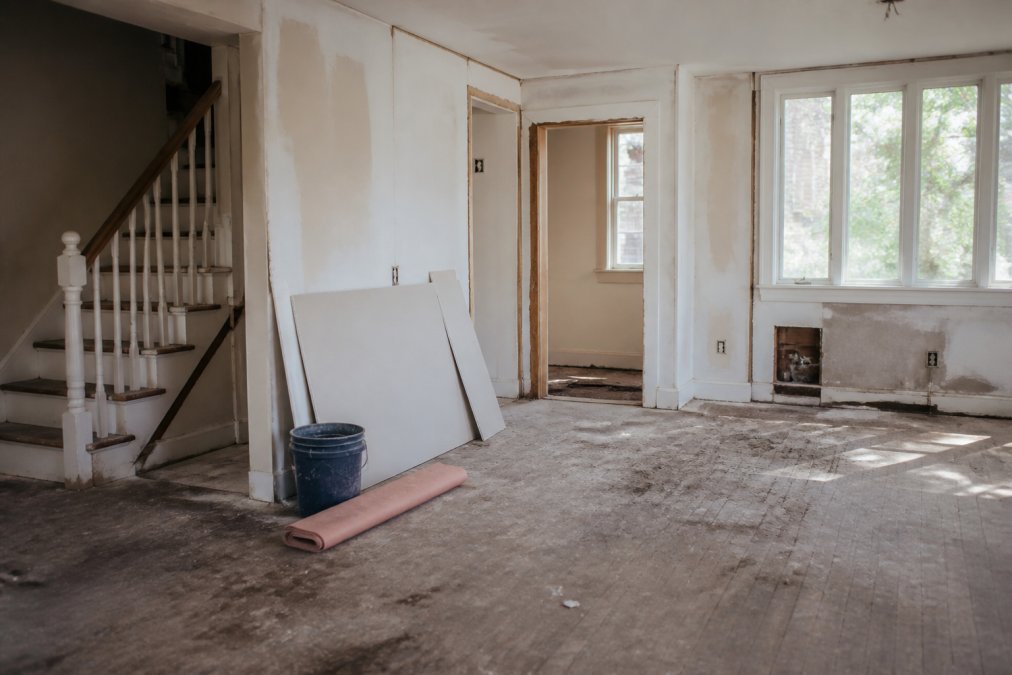
Selling a house as-is means transferring the property to a buyer in its current condition, without repairs, renovations, or improvements before closing. The seller discloses known defects but isn't required to fix them. The buyer accepts the property exactly as it stands, foundation cracks, roof leaks, code violations, and all.
This differs fundamentally from traditional listing, where sellers typically stage the home, make improvements, and address inspection findings. When selling as-is, that burden shifts to the buyer or disappears entirely if the buyer is a cash investor who factors repair costs into their offer.
The appeal is straightforward: speed and simplicity. No contractor calls, no inspections delaying closing, no negotiations over repairs. For homeowners facing inherited properties, pre-foreclosure situations, or rental units with problem tenants, selling as-is eliminates months of uncertainty. OneRoof Real Estate specializes in this exact transaction, buying properties in any condition without requiring repairs, cleaning, or inspections.
However, as-is sales come with real trade-offs. The purchase price typically reflects the property's actual condition, meaning you'll likely net less money than a fully renovated home would command.
Pros and Cons of Selling a House As-Is
Pros of selling a house as-is:
Speed is the most obvious advantage. Traditional sales take 60-90 days or longer. As-is sales to cash buyers close in days or weeks. For someone managing an inherited property from out of state or facing foreclosure, this acceleration alone can justify the lower price.
You eliminate repair costs entirely. A foundation issue might require $15,000 to $30,000 in repairs. Selling as-is means the buyer absorbs that cost, reflected in their lower offer. You don't pay contractors, wait for work to complete, or deal with liens.
Certainty replaces contingency risk. In traditional sales, buyers often make offers contingent on inspection results, appraisals, or financing approval. Those contingencies can fall apart. Cash buyers purchasing as-is properties rarely walk away.
You avoid carrying costs. Property taxes, insurance, utilities, and maintenance add up quickly while a home sits on the market. Accelerated closing means fewer months of these expenses draining your equity.
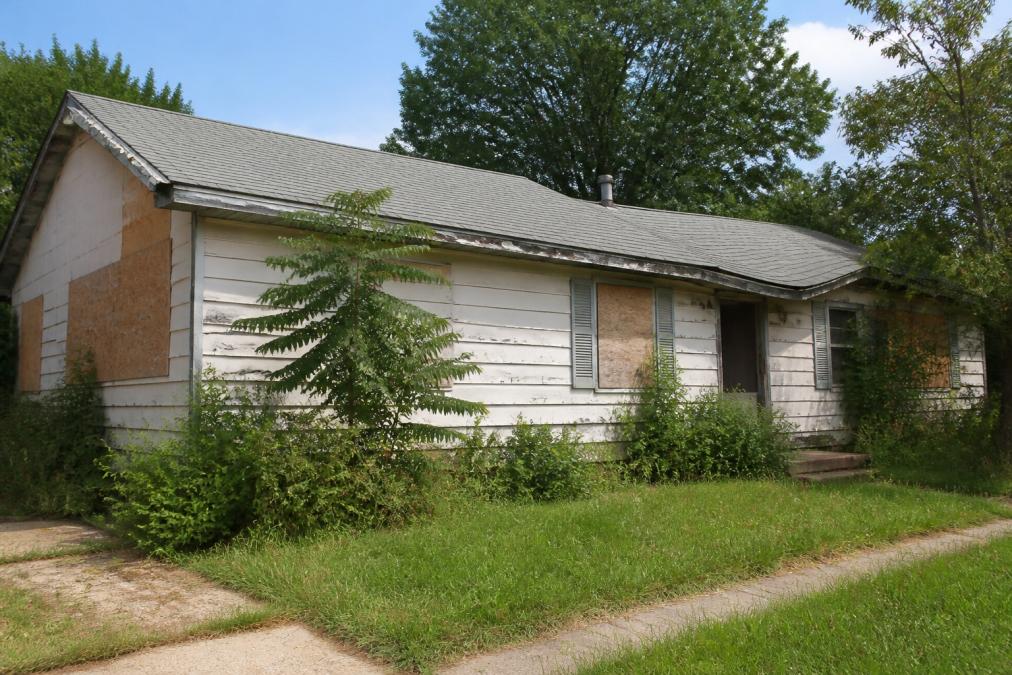
Cons of selling a house as-is:
The financial hit is real. A home worth $200,000 in move-in condition might fetch $140,000 to $160,000 as-is. That $40,000-$60,000 difference is substantial. Before choosing this path, calculate whether the money you save on repairs, carrying costs, and realtor commissions exceeds what you'd lose by accepting a lower offer.
Limited buyer pool. Most homebuyers need financing, which requires the property to pass inspection and appraisal. Cash investors and professional home buyers are willing to purchase as-is, but they're more selective and aggressive about pricing.
Disclosure still applies. Selling as-is doesn't mean you hide problems. You must disclose known defects to the buyer. Failure to disclose can expose you to lawsuits even after closing.
Emotional difficulty. Watching someone buy your family home for far below market value, knowing they'll renovate and resell it for profit, can sting. If you have time and resources, a traditional sale might feel less like losing money.
How the Cash Offer Process Works for As-Is Sales
The process typically begins with a property evaluation. Cash buyers request basic information about the home: square footage, number of bedrooms, known issues, and property condition. Some companies, like OneRoof Real Estate, conduct an in-person visit to assess the property. This step usually takes 24-48 hours.
The cash offer arrives within 24 hours of evaluation. The buyer bases this offer on the property's current condition, comparable sales, estimated repair costs, and their profit margin.
If you accept the offer, you move into the due diligence phase. The buyer may order a title search to confirm ownership and identify any liens or claims against the property. This phase typically takes 3-7 days and rarely produces surprises if you own the property free and clear.
Closing happens next. The buyer's attorney or title company prepares closing documents. You sign the deed and required paperwork. The buyer transfers funds via wire transfer. Many as-is buyers cover closing costs and commissions, so you don't pay realtor fees or title insurance costs. The entire process from offer to cash in hand often takes 7-14 days.
You control the closing date. Unlike traditional sales where lenders dictate timelines, cash buyers often accommodate your schedule.
Home Disclosure Requirements You Cannot Ignore
Selling a house as-is doesn't exempt you from disclosure obligations. Understanding what you must reveal protects you from post-closing liability.
Most states require sellers to disclose known material defects. A material defect significantly affects the property's value or safety: foundation cracks, roof leaks, water damage, electrical problems, code violations, pest infestations, or environmental hazards.
The disclosure requirement applies regardless of whether you're selling as-is or after full renovation. The as-is sale structure means the buyer accepts the property in that condition, but you still must tell them what you know about it.
Documentation matters. Many states require written disclosure forms. You'll list known defects, previous repairs, insurance claims, and structural issues. Sign and date these forms. They become part of the purchase agreement and protect you by creating a record of what you revealed.
Timing is critical. Disclosures must be provided before or at the time of offer, not after. Waiting until closing to mention that the roof is 20 years old exposes you to fraud claims.
When in doubt about what constitutes a material defect, disclose it. Over-disclosure is always safer than under-disclosure. Cash buyers expect to find problems; they're pricing accordingly.
Cost of Home Repairs vs Value Increase: The Real Math
Before choosing to sell as-is, run the numbers on what repairs would actually cost and what value they'd add.
A roof replacement typically costs $8,000 to $15,000. Will replacing the roof increase your home's sale price by $15,000? Possibly if the roof was in terrible condition. But if the roof is merely old, the value increase might be $5,000 to $8,000. You're not breaking even on that repair cost.
Foundation issues are more complex. A cosmetic crack might cost $2,000 to $5,000 to seal. A structural problem requiring underpinning could cost $20,000 to $50,000. A minor crack might reduce value by $3,000. A serious structural issue might reduce value by $40,000 to $60,000. If you repair a serious issue, you might recover most of that lost value.
Cosmetic repairs like paint, flooring, and fixtures have better returns. A $3,000 kitchen refresh might add $4,000 to $6,000 in perceived value. But these repairs only move the needle if the property is otherwise sound.
Hidden costs compound. A $10,000 repair estimate often becomes $12,000 or $13,000 by completion. Meanwhile, you're paying property taxes, insurance, and utilities while work proceeds.
For most distressed properties, the math favors as-is selling. A home with $30,000 in needed repairs will likely sell for $25,000 less as-is than after repairs. But by the time you pay contractors, wait for work to complete, and carry the property for an extra 60-90 days, you've spent $32,000 to $35,000 in repairs and carrying costs. You've broken even or lost money compared to the as-is sale price, and you've added three months to your timeline.
Comparing As-Is Sales vs Traditional Listing
Both paths have merit. The right choice depends on your timeline, financial situation, and property condition.
Timeline: Traditional sales average 60-90 days from listing to closing. As-is cash sales close in 7-30 days. If you need liquidity quickly, are relocating, managing an inherited property, or facing foreclosure, as-is wins decisively.
Price: A traditional listing will likely fetch more money, assuming the home is in reasonable condition and the market is favorable. An as-is sale typically yields 70-85% of market value for a property in poor condition. If your home is in decent shape, the gap narrows.
Certainty: Traditional sales carry contingency risk. The buyer's financing might fall through. The appraisal might come in low. As-is cash sales eliminate these risks. Once you accept the offer, the deal is solid.
Effort: Traditional sales require staging, managing showings, negotiating with multiple buyers, and coordinating inspections. As-is sales require minimal effort.
Costs: Traditional sales cost 5-6% in realtor commissions, plus closing costs and repairs. As-is cash sales often include the buyer covering closing costs and commissions.
For inherited properties, distressed homes, or situations requiring speed, as-is selling through a cash buyer like OneRoof Real Estate makes financial sense even at a lower price point.
How to Vet Cash Buyers and Avoid Scams
Cash buyers range from legitimate companies to predatory operators. Vetting them properly protects you from fraud and ensures the deal actually closes.

Start by verifying legitimacy. Legitimate cash buyers have a physical address, a verifiable business license, and an online presence with real customer testimonials. Check the Better Business Bureau for complaints. OneRoof Real Estate, for example, maintains a physical office in the area, has closed hundreds of transactions, and ranks on the Inc. 5000 list.
Ask for proof of funds. A legitimate cash buyer should provide proof that they have liquid capital available to close. This might be a bank statement or letter from their lender. If they hesitate, walk away.
Check references. Ask the cash buyer for contact information for three recent sellers they've worked with. Call those sellers directly and ask about their experience. Did the buyer close on time? Were there surprises?
Review the purchase agreement carefully. The contract should clearly state the purchase price, closing date, what costs the buyer covers, and what you're responsible for. Have an attorney review it before signing.
Beware of pressure and urgency. Scammers create artificial time pressure. Legitimate buyers don't operate this way. You should have time to review documents and think through the decision.
Verify the closing process. The actual closing should happen through a title company or attorney, not directly with the buyer. If the buyer wants to close without a title company involved, that's a red flag.
Ask about their business model. Legitimate cash buyers make money by purchasing discounted properties, renovating them, and reselling them for profit. They're transparent about this.
Check local reputation. Ask your realtor, attorney, or local real estate investors about the cash buyer's reputation. If a company has a history of lowballing offers or not closing on promised timelines, people will know.
Conclusion
Selling a house as-is makes financial sense in specific situations: inherited properties you don't want to manage, distressed homes requiring extensive repairs, pre-foreclosure situations, or rental properties with problem tenants. The speed and certainty of an as-is cash sale often outweigh the lower purchase price when you factor in repair costs, carrying expenses, and timeline.
The decision hinges on your numbers. Calculate what repairs would cost, what carrying costs accumulate while you wait, and what price difference exists between as-is and traditional sale. Many homeowners discover that the as-is route nets more money than they initially thought, especially when they account for realtor commissions and repair expenses.
If you're ready to explore an as-is sale, OneRoof Real Estate provides fair, all-cash offers within 24 hours, covers all closing costs and commissions, and closes in as little as 7 days. You control the closing date, and the company provides access to local resources like movers and attorneys. With over 500 closings in the Wichita area, OneRoof Real Estate has the track record and local presence to deliver on its promises.
SELL YOUR HOME! Get started with OneRoof Real Estate and move forward without the burden of repairs, inspections, or months of uncertainty.
Frequently Asked Questions
What does selling a house as-is actually mean for the seller?
Selling a house as-is means you sell the property in its current condition without making repairs, cleaning, or staging. The buyer accepts all defects, foundation issues, code violations, and damage as documented. You're not liable for undisclosed problems after closing, but you must still disclose known defects in writing per state law. This approach eliminates repair costs and timelines, allowing closing in as little as 7 days with cash buyers.
Do I have to disclose property defects if I sell as-is?
Yes. Selling as-is does not eliminate your disclosure obligations. Kansas requires sellers to disclose known material defects in writing before closing. This includes foundation problems, roof damage, plumbing issues, electrical hazards, and environmental concerns. Non-disclosure can result in legal action even after the sale closes. Cash buyers typically expect as-is conditions and conduct their own inspections, but you must still provide accurate written disclosure of any known issues.
How much less can I expect to get for an as-is home sale compared to traditional listing?
The difference depends on repair costs and market conditions. A property needing $30,000 in repairs might sell for 15-25% less as-is than after renovation, since the buyer assumes repair risk and carries holding costs during work. However, you avoid realtor commissions (typically 5-6%), closing costs, and carrying costs like property taxes and utilities during a listing period. The net proceeds are often closer than the headline price suggests. Compare your specific repair estimates against agent commissions to determine actual advantage.
What are the primary benefits of selling to a cash buyer?
Cash buyers offer speed (closing in 7 days), certainty (no financing contingencies or appraisal gaps), and simplicity (no repairs, inspections, or staging required). You avoid realtor commissions and closing costs, which the buyer covers. The process is straightforward: you receive a fair offer within 24 hours, choose your closing date, and walk away without managing contractors or showings. This works especially well for inherited properties, pre-foreclosure situations, rental properties with problem tenants, or homes with code violations that don't qualify for traditional financing.
This article was written using GrandRanker