 how-to
Negotiate Home Price After Foundation Inspection
Table of Contents
- Understanding Foundation Inspection Results and What They Mean
- Categorizing Inspection Findings: Structural vs. Cosmetic Issues
- Getting Foundation Repair Cost Estimates for Negotiation Use
- Negotiating Repair Credits vs Price Reduction: Which Strategy Works Best
- Using Your Home Inspection Contingency Clause Strategically
- When to Walk Away: Setting Your Deal-Breaker Threshold
- Negotiating Home Price After Foundation Issues: Practical Scripts and Next Steps
- Frequently Asked Questions
Last Updated: September 22, 2026
Understanding Foundation Inspection Results and What They Mean
A foundation inspection reveals the structural health of a property, and learning how to negotiate home price foundation inspection results is essential to protecting your investment. The report documents cracks, settlement, water damage, and other issues that affect the home's value and safety. Understanding what inspectors find is your first step toward effective negotiation.
Foundation problems range from minor cosmetic issues to serious structural threats. An inspector will measure crack widths, check for water intrusion, assess foundation type, and note any signs of movement or deterioration. This detailed report becomes your negotiation tool.
The inspection contingency period gives you time to review findings and decide your next move. Most purchase agreements include a contingency clause that allows you to request repairs, credits, or price reductions based on the inspection results. Knowing how to use this window strategically makes the difference between a bad deal and a fair one.
Categorizing Inspection Findings: Structural vs. Cosmetic Issues
Not all foundation problems carry equal weight. The key to smart negotiation is separating serious structural defects from cosmetic damage that won't affect the home's long-term stability or value.
Structural issues demand immediate attention:
- Foundation settlement or sinking
- Horizontal or stair-step cracks wider than 1/4 inch
- Water intrusion in basements or crawl spaces
- Bowing or leaning foundation walls
- Pier and beam foundation deterioration
- Active soil expansion problems
Cosmetic issues are less urgent:
- Hairline cracks (under 1/8 inch)
- Minor concrete spalling or surface damage
- Old paint or efflorescence (white mineral deposits)
- Small foundation cracks that are stable and sealed
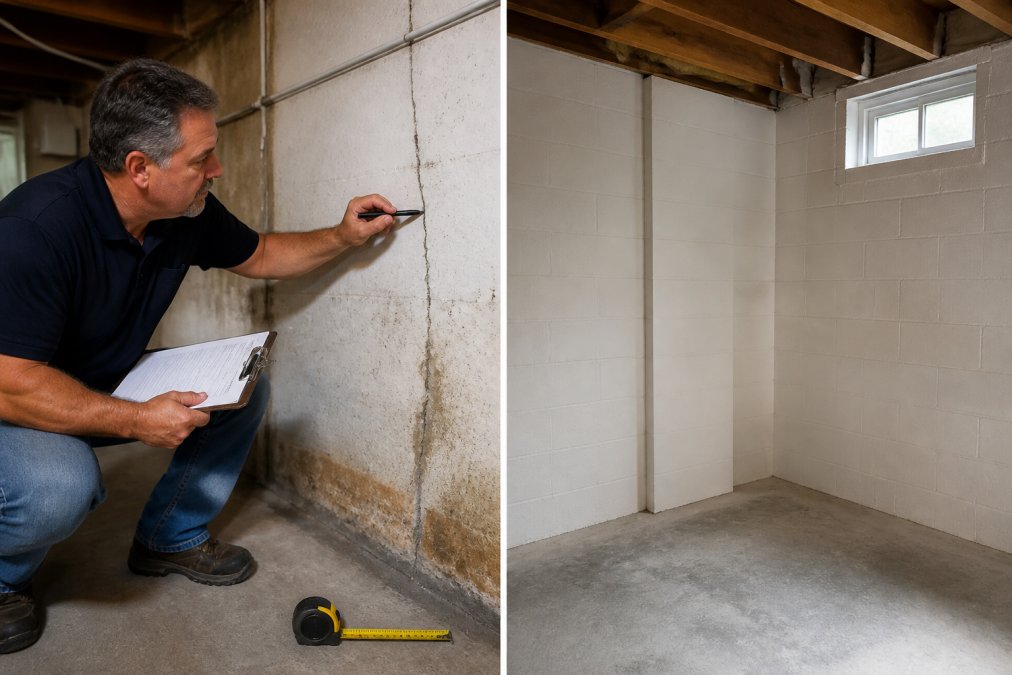
The distinction matters because structural defects reduce property value and create liability. A seller who won't address them is passing the burden to you. Cosmetic issues are negotiable but shouldn't derail the deal. Use this framework when deciding whether to push hard or compromise.
Getting Foundation Repair Cost Estimates for Negotiation Use
Estimates give you concrete numbers to support your negotiation position. A vague claim that "the foundation needs work" carries far less weight than a licensed contractor's written estimate showing the actual cost. However, foundation repair pricing varies significantly based on local soil conditions, and understanding why is essential to evaluating whether an estimate is reasonable.
How local soil conditions affect your repair costs:
The region's expansive clay soil is a primary driver of foundation movement. Clay expands when wet and contracts when dry, creating cyclical stress on foundations. This means foundation repairs here often require solutions tailored to soil behavior, not just crack patching. Contractors familiar with local soil conditions will recommend underpinning, piering, or moisture barriers designed to manage clay expansion. A contractor unfamiliar with regional soil patterns may underestimate the scope or recommend temporary fixes that fail within years.
When you request estimates, ensure contractors specifically address soil conditions in their assessment. Ask: "How does the expansive clay soil in this area affect your repair recommendation?" A contractor who mentions soil type and adjusts their approach accordingly is more credible than one offering a generic repair plan.
Getting multiple estimates before negotiating:
- Contact at least two licensed foundation contractors with documented experience in the local area
- Request written estimates, not verbal quotes
- Ask contractors to specify what repairs include and whether they account for soil movement
- Request timelines for completion and any warranty or guarantee offered
- Ask about long-term durability given local soil conditions
Contractors will assess the severity of issues and recommend solutions. Some problems require full foundation repair or underpinning. Others need minor patching or waterproofing. The estimate breaks down labor, materials, and timeline. This documentation is essential.
Evaluating repair costs against purchase price:
Once you have estimates, calculate the repair cost as a percentage of the purchase price. Foundation repairs exceeding 10-15% of the home's value are a red flag. For example, if you're buying a $250,000 home and foundation repairs cost $35,000, that's 14% of the purchase price, a significant burden that may not be recoverable through future appreciation.
When you present estimates to the seller, you're not bluffing. You have professional assessment backing your position. A $15,000 foundation repair estimate is far harder to dismiss than a feeling that something's wrong. Use these numbers to anchor your negotiation and justify your requests. If the seller refuses to negotiate and repair costs are high, this is often a walk-away signal.
Negotiating Repair Credits vs Price Reduction: Which Strategy Works Best
You have two main negotiation paths: asking the seller to repair the foundation themselves or requesting a credit toward your closing costs. Each approach has trade-offs that extend beyond convenience, they affect your financing, tax liability, and long-term financial position.
Understanding the financial difference:
A price reduction lowers the purchase price itself. If you're buying at $250,000 and negotiate a $15,000 price reduction, your new purchase price is $235,000. Your mortgage is calculated on the lower amount, reducing your loan principal and total interest paid over the life of the loan.
A closing cost credit is applied at closing but does not reduce the purchase price. The seller credits you $15,000 toward closing costs (inspection fees, appraisal, title insurance, attorney fees, etc.). Your purchase price remains $250,000, your mortgage is $250,000, but your out-of-pocket cash at closing is reduced.
Tax and mortgage implications:
When to request a price reduction:
- Foundation repairs are structural and significant (over $10,000)
- You plan to stay in the home long-term and want to minimize mortgage interest
- You have sufficient cash reserves and don't need the closing cost credit
- The seller is motivated and willing to negotiate on price
- You want the lowest possible property tax assessment
When to request a closing cost credit:
- You're short on cash for closing costs but have adequate financing approval
- Foundation repairs are moderate ($5,000-$10,000) and you can handle them post-closing
- You plan to sell within 5-7 years and want to minimize upfront cash outlay
- The seller is resistant to price reductions but willing to help with closing costs
- You want to preserve liquidity for post-closing repairs or emergencies
Repair credits give you control:
- You choose the contractor
- You oversee the work quality
- You keep the receipts and warranties
- The seller funds the repair through a closing credit
Price reductions are simpler:
- The final purchase price drops by the repair amount
- No contractor coordination needed
- You handle repairs on your timeline after closing
- You avoid disputes over workmanship
Sample negotiation language:
Using Your Home Inspection Contingency Clause Strategically
The inspection contingency is a legal protection built into most purchase agreements. It gives you a defined period to inspect the property and decide whether to proceed, renegotiate, or walk away.
Know your contingency timeline:
- Review your purchase agreement for the inspection contingency period
- Most agreements allow 7-14 days for inspections
- Some markets allow longer periods for major issues
- Mark the deadline on your calendar
When to Walk Away: Setting Your Deal-Breaker Threshold
Not every deal is worth saving. Sometimes the foundation issues are so severe that no amount of negotiation makes sense. Knowing when to walk away protects you from inheriting a money pit.
Red flags that suggest walking away:
- Foundation repair estimates exceed 10-15% of the purchase price
- Multiple structural defects requiring different solutions
- Evidence of ongoing settlement or movement
- Severe water intrusion with mold or rot
- Soil conditions that make repairs temporary or unreliable
- Seller refusing to disclose known issues
Negotiating Home Price After Foundation Issues: Practical Scripts and Next Steps
Once you have your inspection report and repair estimates, it's time to negotiate home price foundation inspection issues with the seller. Here's how to structure the conversation with the seller or their agent.
Opening your negotiation:
- Lead with the inspection report and contractor estimates
- State the specific issues clearly: "The inspection found foundation settlement and water intrusion in the basement"
- Present the repair cost: "Licensed contractors estimate $18,000 to address these issues"
- Make your request: "We're requesting a $18,000 credit at closing to cover these repairs"
If the seller pushes back:
- Acknowledge their position: "I understand this is unexpected"
- Provide evidence: "Here are the written estimates from two licensed contractors"
- Offer alternatives: "We could split the cost, or you could arrange the repairs yourself"
- Set a deadline: "We need a response by [date] to stay on schedule"
If you reach an impasse:
- Review your walk-away threshold
- Consider a compromise: split the difference or reduce the credit request
- Remember your contingency period gives you an exit
- Consult your real estate agent for local market context
Frequently Asked Questions
Can I negotiate a price reduction after a home inspection reveals foundation damage?
Yes. Once a foundation inspection reveals structural issues, you have leverage to negotiate. You can request a price reduction, ask the seller to cover repairs through escrow, or demand repair credits applied at closing. Your negotiating position depends on the severity of the damage, local market conditions, and whether you included an inspection contingency in your purchase agreement. Document all findings with professional estimates to strengthen your position.
What's the difference between negotiating repair credits vs price reduction for foundation issues?
A price reduction lowers the home's purchase price immediately, giving you cash flexibility to hire contractors of your choice. Repair credits are funds held at closing to cover specific repairs, you control the contractor but must complete work within a timeframe.
How much does foundation repair typically cost, and how should I use that in negotiations?
Foundation repair costs vary widely depending on damage severity and foundation type. Get at least two professional estimates from licensed structural engineers or contractors before negotiating. Present these estimates to the seller as documentation of your repair request amount. Most sellers will negotiate based on actual repair costs rather than inflated figures, so detailed estimates give you credibility and establish a realistic negotiation baseline for price adjustments or credit requests.
What should I do if the seller refuses to negotiate after my foundation inspection?
If the seller won't budge on price or repairs, you have three options: accept the home as-is, walk away if your inspection contingency allows, or make a final counter-offer that reflects the true cost of repairs. Review your purchase agreement's inspection contingency clause, most give you 7-14 days to request repairs or price adjustments. If negotiations stall and repair costs are substantial, walking away often makes financial sense rather than inheriting expensive foundation problems.