 how-to
No Repairs or Cleaning Needed for Rental Property Management
Table of Contents
- Why Rental Property Management Often Means Expensive Repairs and Cleaning
- The 'No-Repair' Lease Clause Reality: What Landlord-Tenant Laws Actually Require
- Selling Rental Property As-Is: How to Skip Repairs and Cleaning
- How to Sell Inherited Property Quickly Without Maintenance Headaches
- Avoiding Closing Costs on Rental Sales: What Sellers Actually Pay
- Maintenance Automation Tools and Tenant-Led Incentives That Reduce Your Workload
- Tax Implications of Maintenance vs. Improvements for Rental Property Management
- Frequently Asked Questions
Last Updated: September 16, 2026
Why Rental Property Management Often Means Expensive Repairs and Cleaning
Many landlords discover that rental property management is less about collecting rent and more about absorbing costs. A single failed water heater, a tenant who leaves behind twenty bags of trash, or a roof that finally gives out can wipe out a year of cash flow. The "no need to perform repairs or cleaning" promise sounds appealing because the alternative is exhausting: coordinating contractors, chasing invoices, and losing weeks to turnover.
The real problem isn't the repair itself. It's the compounding effect. One deferred item becomes three. A small leak becomes mold remediation. A tenant who stops reporting issues becomes a five-figure renovation.
This guide from OneRoof Real Estate covers the lease clause myth, as-is sales, closing cost realities, and the tax rules that change how you should think about every repair.
The 'No-Repair' Lease Clause Reality: What Landlord-Tenant Laws Actually Require
A lease clause stating "tenant accepts property as-is" does not override habitability standards. Every state imposes an implied warranty of habitability on residential leases, meaning the landlord must maintain working plumbing, heat, structural integrity, and safety codes regardless of what the lease says. A clause shifting repair duty to the tenant is often unenforceable when it touches those core obligations.
What you can legally delegate is narrower than most landlords assume:
- Cosmetic upkeep, like lawn care or minor pest control
- Damage caused by tenant negligence
- Appliances the lease explicitly excludes
What you cannot delegate: emergency repairs, building maintenance tied to safety codes, and anything a local inspector would flag as a violation.
Selling Rental Property As-Is: How to Skip Repairs and Cleaning
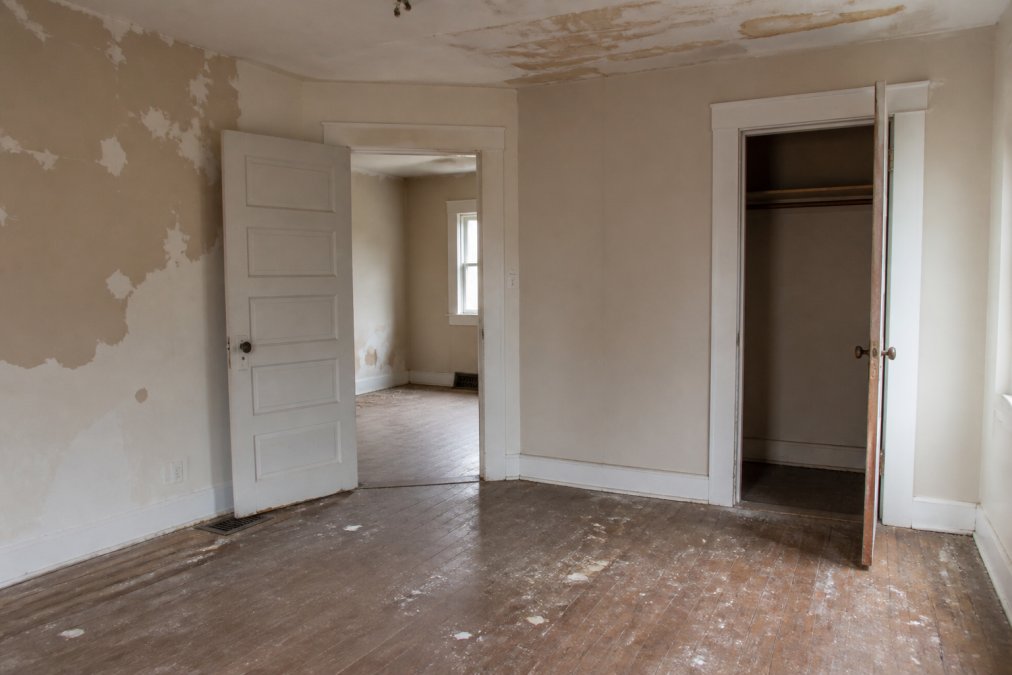
Selling rental property as-is means transferring ownership without performing repairs, remediation, or turnover cleaning. The buyer accepts the property in its current condition, and the sale price reflects that. For landlords facing deferred maintenance, code violations, or a tenant who trashed the unit, this route eliminates the two biggest costs: contractor management and vacancy during renovation.

The trade-off is price. An as-is sale typically nets less than a fully renovated listing, but it also skips the holding costs, agent commissions, and months of uncertainty that come with a traditional sale.
How to Sell Inherited Property Quickly Without Maintenance Headaches
Inherited property is the hardest category to manage from a distance. Out-of-state heirs often face a house full of belongings, a roof that hasn't been inspected in years, and probate timelines they don't control. The instinct is to list it traditionally. The reality is that most buyers using conventional financing can't close on a home with failed inspections.
- Confirm your legal authority to sell, whether through probate or a transfer-on-death deed
- Gather any existing property condition report or inspection history
- Request cash offers before spending anything on repairs
- Compare net proceeds, not gross offers
- Set a closing date that matches your probate timeline
Avoiding Closing Costs on Rental Sales: What Sellers Actually Pay
Avoiding closing costs on rental sales is possible when the buyer absorbs them. In a standard transaction, sellers typically cover the title search, transfer taxes, prorated property taxes, and both sides of the commission. On a distressed rental, those costs can consume a meaningful share of the sale price before you see a dollar.
| Cost Category | Traditional Listing | As-Is Cash Sale |
|---|---|---|
| Agent commission | Seller pays | None |
| Closing costs | Seller pays | Buyer covers |
| Repair credits | Often required | None |
| Holding costs during listing | Weeks to months | Days |
| Clean-out and turnover | Seller pays | Included |
Maintenance Automation Tools and Tenant-Led Incentives That Reduce Your Workload
Most landlords don't need a full property management firm to stop drowning in repair coordination. They need three things: a documented intake channel, an automated routing rule, and a paper trail that holds up in a security deposit dispute. That's a workflow problem, not a staffing problem.
-
Under $150 and cosmetic (dripping faucet, clogged drain, burned-out fixture): tenant handles it, receipts submitted for reimbursement or rent credit.
-
$150-$500 and non-emergency: tenant submits a work order, you dispatch a preferred vendor.
-
Any water intrusion, no heat, no hot water, gas smell, or electrical hazard: tenant calls the emergency line immediately, no prior approval needed.
-
A fixed monthly credit (commonly $25-$75) for documented filter changes, smoke detector tests, and seasonal exterior checks, with photo proof submitted through the portal.
-
A per-incident credit for early reporting of leaks or pest activity before damage spreads.
-
A renewal bonus tied to a clean inspection record, paid at lease signing rather than monthly.
Tax Implications of Maintenance vs. Improvements for Rental Property Management
The IRS draws a hard line between a repair and an improvement, and that line changes both your current-year deduction and your tax basis when you sell. Most DIY landlords get this wrong because the intuitive answer, "I fixed the thing, so it's a repair", is not the test.
The edge cases that trip people up.
- The "betterment" trap. Replacing a standard water heater with a tankless unit is an improvement, not a repair, because it's a betterment. Replacing it with a like-kind tank is generally a repair.
- The restoration trap. If you replace a component after a casualty loss and the property is returned to like-new condition, that's an improvement, not a repair.
- The adaptation trap. Modifying a space for a new use, home office conversion, ADA-compliant bathroom, is an improvement regardless of cost.
- The routine-maintenance safe harbor. Under the tangible property regulations, you can elect to deduct certain routine maintenance costs that keep the property in ordinary operating condition, even if they recur. This is an election, not a default, and it requires consistent application.
- The small-taxpayer safe harbor. For taxpayers with gross receipts under the threshold and an applicable financial statement or qualifying bookkeeping, there's an election to expense certain improvements up to a per-item and per-year cap. Confirm current thresholds with a tax professional, they adjust with inflation.
Frequently Asked Questions
Can I sell a rental property with tenants still living in it?
Yes, in most cases you can sell with tenants in place. A cash buyer like OneRoof Real Estate purchases as-is, so you do not need to evict tenants or wait for the lease to end. The buyer takes over the property with existing tenants, and you avoid turnover cleaning, repair requests, and vacancy costs. This is especially useful when tenants are behind on rent or the property has significant wear and tear. Always review your lease agreement and state landlord-tenant laws before selling.
Do I need to clean my rental property before a cash offer inspection?
No. Cash home buyers that specialize in as-is purchases do not require cleaning, repairs, or even an inspection. OneRoof Real Estate buys properties in any condition, from hoarder situations to fire damage. You can leave unwanted items behind, and the company often provides clean-out services. This removes the burden of dumpster rentals, deep cleaning, and coordinating with contractors. Just schedule a walkthrough and receive a fair cash offer within 24 hours.
How do cash home buyers handle properties with code violations?
Cash buyers purchase properties with code violations, failed inspections, and deferred maintenance because they do not rely on traditional financing. Banks often deny loans for homes with safety code issues, but a cash buyer can close quickly without lender requirements. OneRoof Real Estate has bought hundreds of Wichita-area homes with foundation problems, roof damage, and municipal citations. You avoid remediation costs and liability while still getting a fair offer. The buyer assumes responsibility for bringing the property into compliance after closing.
Is it worth repairing a rental property before listing it on the market?
It depends on the repair cost versus the added sale price. Minor cosmetic fixes like paint and landscaping may return more than they cost. But major repairs such as foundation work, HVAC replacement, or mold remediation often do not recoup their full cost in a traditional sale, especially in a slower market. For rental property management, consider a cost-benefit analysis: if repairs exceed 10-15% of the property's value, an as-is cash sale may net you more after avoiding holding costs, commissions, and closing fees.
Rental property management eventually forces a choice: keep funding repairs on an asset that isn't working, or exit cleanly. OneRoof Real Estate buys properties in any condition, including units with tenants still in place, and covers commissions, closing costs, and fees. Offers come back within 24 hours, you pick the closing date, and clean-out services handle what's left behind. If you're done with the repairs and the cleaning, get started with OneRoof Real Estate and close in about a week.