 how-to
Selling a House With Unpermitted Additions in Kansas
Table of Contents
- Unpermitted Additions and the Kansas Sale Process
- Why Unpermitted Work Complicates a Traditional Sale
- Kansas Residential Property Disclosure Requirements
- Option 1: Obtain Retroactive Permits Before Listing
- Option 2: Selling a House As-Is in Kansas
- Option 3: Cash Home Buyers for Distressed Properties
- DIY Seller Checklist for Unpermitted Additions
- Step 1: Identify Your Local Building Department
- Step 2: Pull the Permit History
- Step 3: Assess the Risk Level of the Work
- Step 4: Get a Professional Assessment
- Step 5: Understand Your Disclosure Obligations
- Step 6: Check Insurance and Tax Implications
- Step 7: Compare Your Sale Options
- Step 8: Prepare Your Disclosure Statement
- Conclusion
- Frequently Asked Questions
Last Updated: September 5, 2026
Unpermitted Additions and the Kansas Sale Process
Selling a house with unpermitted additions in Kansas means navigating a transaction where the official property records do not match what is physically built on the lot. An unpermitted addition is any structural change, such as a bedroom, garage, or basement finish, that was completed without the required building permits or inspections from the local building department. At OneRoof Real Estate, we handle these situations regularly for homeowners across Sedgwick County, and the first thing to understand is that you do have viable paths forward, even when the work was never documented.
The core tension in these sales comes down to a mismatch between market value and legal compliance. A finished basement or added bathroom increases what a buyer would pay, but lenders, appraisers, and title companies will not treat square footage as legitimate if it lacks a permit history. This guide walks through the three realistic options for handling unpermitted work, the disclosure obligations under Kansas real estate law, and a practical checklist for sellers who want to close without legal liability.
What Counts as Unpermitted Work
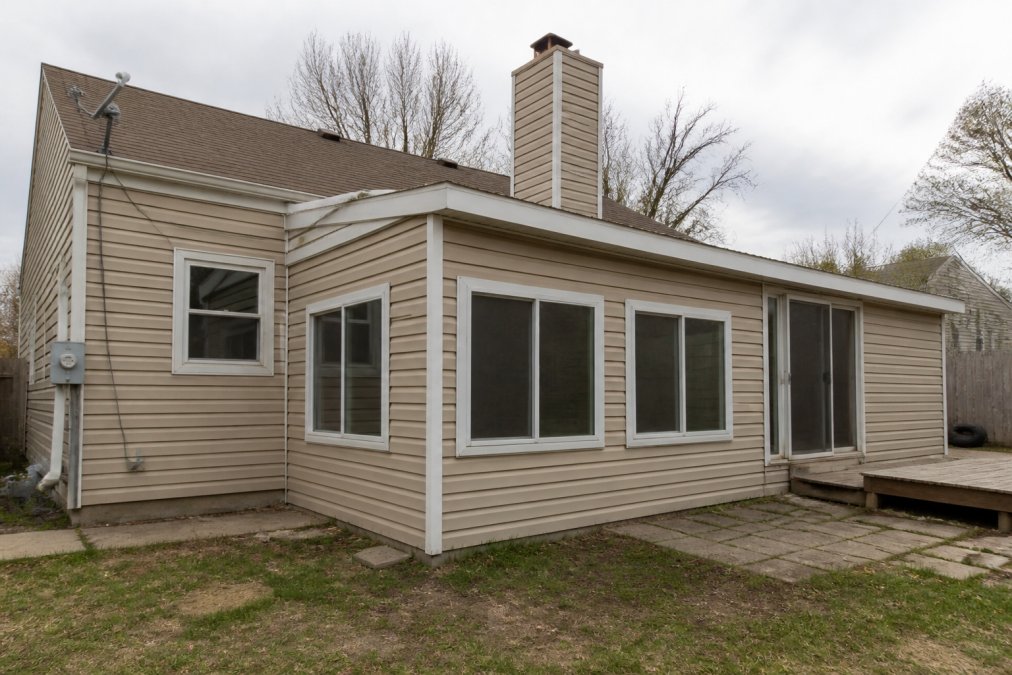
Unpermitted work covers any renovation that required a permit under local building codes but did not receive one. Common examples include adding a bedroom over a garage, enclosing a porch, finishing a basement with new electrical runs, or installing a second bathroom. Even a new roof or a relocated load-bearing wall can trigger permit requirements.
The distinction matters because minor cosmetic updates, like painting or replacing flooring, rarely require permits. Structural changes, electrical work, plumbing modifications, and additions of conditioned square footage almost always do. If you are unsure whether a past renovation was permitted, check the property records at your local building department and compare them against the current layout of the home.
Why Unpermitted Work Complicates a Traditional Sale
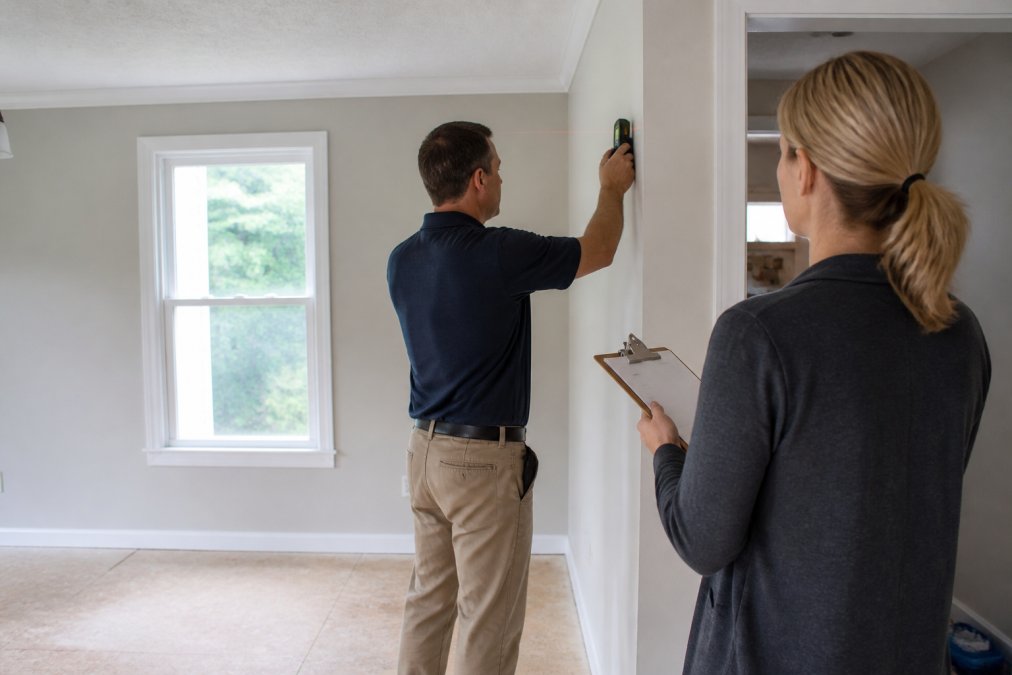
The biggest mistake sellers make is assuming a traditional listing will proceed normally and that unpermitted space will simply be valued at a discount. That is rarely how it plays out. When a buyer's lender orders an appraisal, the appraiser measures the home and compares it against public records. A discrepancy between the two is a red flag that triggers a deeper review of the property's permit history.
Appraisal and Lender Requirements
Lenders will not finance square footage that lacks permits. An appraisal that includes unpermitted space is typically flagged, and the loan can be denied or reduced to the value of the permitted portion of the home. This shrinks the pool of eligible buyers to those paying cash or seeking specialized financing, which directly lowers the offers you receive.
Insurance and Tax Assessment Impacts
A related issue is insurance. Most standard homeowner policies exclude coverage for structural damage to unpermitted additions, and a claim involving such space can be denied entirely. Buyers who discover this during due diligence often walk away. Separately, the county appraiser may reassess the property once the true square footage is known, which can raise property taxes for the next owner. These hidden costs make buyers cautious and give them use to negotiate a lower price.
Kansas Residential Property Disclosure Requirements
Kansas is a caveat emptor state, meaning the buyer bears the burden of inspecting the property. However, that does not absolve sellers of all obligations. The Kansas Residential Property Disclosure Statement requirements mandate that sellers disclose known material defects that affect the property's value or safety. Unpermitted work qualifies as a material fact in most interpretations of Kansas real estate law.
The seller obligations are straightforward: you must complete the disclosure statement honestly, and failing to disclose known unpermitted additions can expose you to legal liability after closing. Non-disclosure penalties can include rescission of the sale or damages in court. The safer approach is to disclose the unpermitted work in writing, describe its scope, and let the buyer decide how to proceed. A full disclosure statement protects you from future claims that you concealed a known issue.
Option 1: Obtain Retroactive Permits Before Listing
Retroactive permits are the cleanest solution because they bring the addition into code compliance and make it eligible for traditional financing. A retroactive permit is issued after the fact, typically requiring an inspection of the completed work to verify it meets current building codes. This option works best when the work was done properly but simply never documented.
Steps to Get a Retroactive Permit
The process starts at your local building department. You will submit plans or a description of the work, pay the permit fee, and schedule an inspection. If the work passes, the permit is issued and the addition becomes part of the official property records. If it fails inspection, you may need to make corrections before the permit is granted.
Costs and timelines vary by jurisdiction, so contact your city or county building department directly for current fees. The main drawback is that the inspection may uncover code violations requiring expensive fixes, such as electrical rewiring or structural reinforcement. For that reason, this path suits sellers who know the work was completed to a high standard and who have time to wait for the inspection and approval.
Option 2: Selling a House As-Is in Kansas
Selling a house as-is in Kansas means offering the property in its current condition, with no repairs or improvements made by the seller. This is a legitimate strategy for unpermitted additions, but it does not waive the disclosure requirement. You still must disclose the unpermitted work; an as-is sale simply signals that you will not fix it or reduce the price to cover corrections.
The advantage of an as-is sale is speed and simplicity. You avoid the cost and delay of retroactive permits and the risk of failing an inspection. The trade-off is a lower sale price, because the buyer assumes the burden of resolving the permit issue or living with the risk. Marketing the property to investors or cash buyers who specialize in non-conforming properties often yields the most interest.
Option 3: Cash Home Buyers for Distressed Properties
Cash home buyers for distressed properties offer a third path that sidesteps the appraisal and lender hurdles entirely. Because a cash sale does not require a mortgage, there is no lender to question the permit history, and no appraisal contingency to fail. The buyer purchases the property in its current condition, unpermitted additions included, and assumes the risk of any future code enforcement action.
This is where OneRoof Real Estate fits. We buy houses in any condition across the Wichita area, including properties with unpermitted additions, code violations, and failed inspections. There are no repairs, fees, or commissions, and you are not required to clean or prepare the property. You receive a fair all-cash offer within 24 hours, you choose the closing date, and closings typically happen in about 7 days. We also cover all commissions and closing costs, and we can arrange clean-out services if the property holds years of accumulated belongings.
For an inherited property or a home tied up in probate, this option removes the burden of managing a traditional sale from another state or while handling an estate. The trade-off is that a cash offer will reflect the cost and risk the buyer assumes, which is typically below what a renovated, fully permitted home would fetch on the open market.
DIY Seller Checklist for Unpermitted Additions
This checklist is tailored to Kansas sellers and directs you to the specific local resources you will need. Work through each item before choosing your sale path.
Step 1: Identify Your Local Building Department
Your first task is determining which agency has permit authority over your property. In Kansas, this is usually the city for incorporated areas and the county for unincorporated areas. Common examples include:
- Wichita / Sedgwick County: City of Wichita permit records search or the Sedgwick County Building Department
- Kansas City metro (Johnson County): Johnson County Building Codes or your specific city (Overland Park, Olathe, Lenexa)
- Topeka / Shawnee County: City of Topeka Permits
- Lawrence / Douglas County: City of Lawrence Building Safety
Step 2: Pull the Permit History
- Call or visit your local building department and request the complete permit history for your address. Ask specifically for any open, expired, or never-finaled permits.
- Compare the recorded permits against the current layout of your home. Walk each room and note any square footage that does not appear in the official records.
- If you cannot determine whether a renovation was permitted, ask the building department to clarify, they can often tell you whether a permit was ever issued for a specific address.
Step 3: Assess the Risk Level of the Work
- Identify whether the unpermitted work involves structural elements (walls, beams, foundations), electrical, plumbing, or HVAC. These carry the highest inspection risk and the greatest potential cost to correct.
- For each unpermitted area, note the approximate year the work was completed. Work done before 2000 may have been built under older codes and could face different requirements than recent additions.
- If the addition includes a bedroom, verify that it has a proper egress window. This is a common point of failure in Kansas inspections.
Step 4: Get a Professional Assessment
- Contact a local licensed contractor or home inspector for a verbal assessment of whether the work would pass a code inspection. Many will provide this for a nominal fee or as part of a broader inspection.
- Ask specifically about electrical and structural issues, since these are the most expensive to correct and the most likely to be flagged.
Step 5: Understand Your Disclosure Obligations
- Review the Kansas Residential Property Disclosure Statement to understand what must be disclosed. Kansas is a caveat emptor state, but known material defects, including unpermitted work, must be disclosed.
- Consult the Kansas Attorney General guidance on real estate sales if you have questions about whether your specific situation requires disclosure.
- Document the scope of the unpermitted work in writing, including what was built, when, and by whom if known. This documentation will be part of your disclosure.
Step 6: Check Insurance and Tax Implications
- Contact your insurance agent and ask whether your current policy covers the unpermitted addition. Most standard policies exclude coverage for structural damage to unpermitted work.
- Ask your agent whether the buyer would be able to obtain coverage for the property. If not, this will significantly narrow your buyer pool.
- Contact the county appraiser's office to ask whether disclosing the addition could trigger a property tax reassessment. In many Kansas counties, the appraiser uses building permits and sales data to update valuations, so a sale that reveals unpermitted square footage may lead to higher taxes for the next owner.
Step 7: Compare Your Sale Options
- Request written offers from at least two buyer types: a traditional real estate agent who will list the property, and a cash home buyer who specializes in non-conforming properties.
- For the traditional listing, ask the agent how they would handle the unpermitted addition in the listing description and what price they would recommend given the permit issue.
- For the cash buyer, request a breakdown of how they calculated their offer, including any estimated correction costs.
- Compare net proceeds after commissions, closing costs, and any required repairs or permit fees.
Step 8: Prepare Your Disclosure Statement
- Complete the Kansas Residential Property Disclosure Statement honestly, describing the unpermitted work in the appropriate section.
- Attach a separate written description of the unpermitted addition, including its scope and that it lacks permits, to the disclosure statement.
- Keep copies of all disclosure documents for your records. These protect you from future claims that you concealed a known issue.
Conclusion
Selling a house with unpermitted additions in Kansas comes down to choosing between retroactive permitting, an as-is listing, or a direct cash sale. Each path has trade-offs between price, speed, and your tolerance for inspection risk, and your disclosure obligations under Kansas real estate law apply regardless of which route you select. The most efficient outcome depends on your timeline and whether the work can pass a code inspection.
For sellers who need certainty and speed, a cash sale removes the lender and appraisal barriers that stall traditional transactions. OneRoof Real Estate's direct buyer process offers a no-obligation offer within 24 hours, covers all closing costs and commissions, and lets you select your closing date. If you are ready to resolve an unpermitted addition without further delay, get started with OneRoof Real Estate and receive a fair cash offer for your property this week.
Frequently Asked Questions
Do I have to disclose unpermitted work when selling a house in Kansas?
Yes. Kansas law requires sellers to complete a residential property disclosure statement. This form asks about additions, renovations, and whether the seller knows if permits were obtained. Failing to disclose known unpermitted work opens you to legal liability after closing. It is safer to be upfront about what you know, including that you are unsure if prior owners pulled permits.
Will a buyer's lender approve a loan for a house with unpermitted additions?
Often not. Appraisers must note unpermitted additions, and the appraised value may only reflect the permitted square footage. FHA and VA loans have stricter property requirements, and a lender may refuse to finance a home with obvious code violations. If a buyer cannot get financing, the deal falls through. Cash buyers avoid this issue entirely because they do not rely on lender appraisals.
What happens if a buyer discovers unpermitted work after closing?
A buyer who discovers unpermitted work after closing could pursue legal action if you failed to disclose it on the Kansas disclosure statement. They may claim you were aware of the issue and hid it. Even if you did not know, the buyer might face fines or be forced to remove the addition. Accurate disclosure protects you from post-closing disputes.
Can I get a retroactive permit for work done on my house in Kansas?
You can apply for a retroactive permit through your local building department. You will need to submit plans and pay a fee, which is often higher than the original permit cost. An inspector will review the work for code compliance. If the addition fails inspection, you must bring it up to code, which can mean opening walls or redoing electrical work. This process can take months.
This article was written using GrandRanker