 how-to
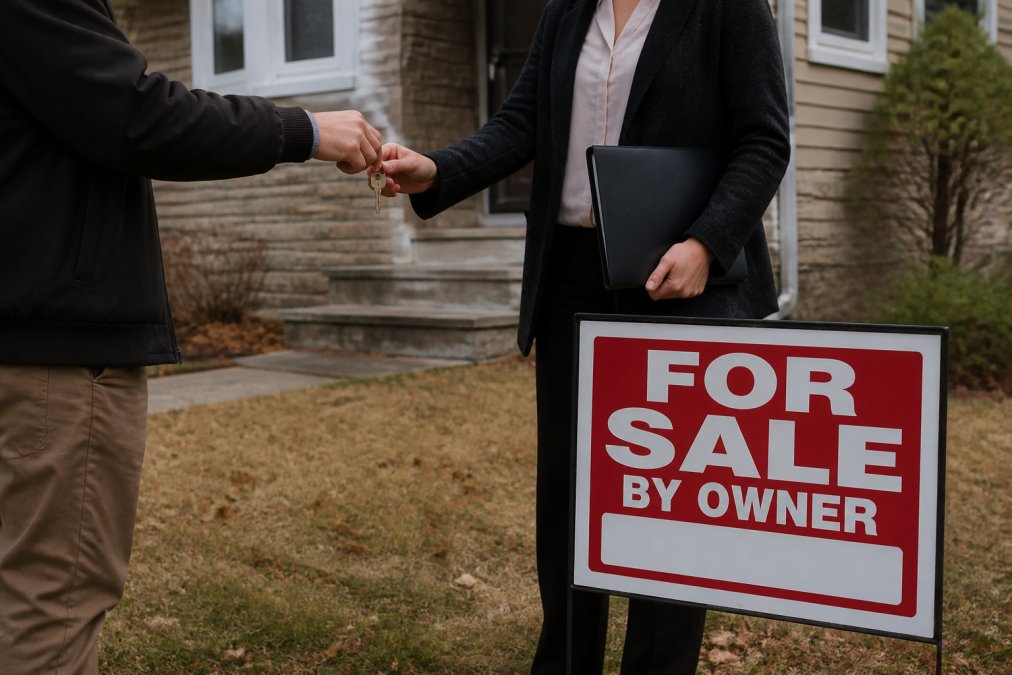
Sell a Probate Property in Wichita Without a Realtor
Table of Contents
- Understanding the Probate Process in Kansas
- Legal Requirements for Selling Inherited Property Without a Realtor
- Steps to Sell Your Probate Property Without Professional Real Estate Help
- Timeline for Selling a House in Probate
- Cash Home Buyers in Wichita as an Alternative
- Common Mistakes to Avoid When Selling Probate Property Independently
- Tax Implications and Net Proceeds for Heirs
- Conclusion
Last Updated: August 22, 2026
Understanding the Probate Process in Kansas
Probate is the legal process through which a deceased person's estate is settled, debts are paid, and property is distributed to heirs according to a will or state law. You cannot simply list and sell an inherited house without court approval, the probate court must grant you legal authority first.
In Kansas, the probate court oversees distribution of the deceased's assets and maintains jurisdiction over property sales to protect all beneficiaries and creditors. Simple estates with a clear will and no disputes might move through probate in four to six months, while complex estates with multiple properties, significant debt, or disagreements among heirs can take a year or longer.
What Probate Means for Property Sales
When a property owner dies, their real property becomes part of the probate estate under court control until settlement. Selling a probate property requires more paperwork, time, and court involvement than a standard transaction. You'll need letters of testamentary or letters of administration, a court order approving the sale, and title company coordination to ensure the deed transfer is legally valid.
Court-Appointed Authority and Letters of Testamentary
Letters of testamentary (or letters of administration if there's no will) are the legal documents granting you authority to act on behalf of the estate. File a petition with the probate court in the county where the deceased resided. In Sedgwick County (where Wichita is located), file with the Sedgwick County District Court. The petition includes the will (if one exists), proof of death, and information about heirs and beneficiaries. Once the court issues the letters, you're officially the personal representative or executor with legal authority to sell the inherited property, sign contracts, and handle closing. Keep multiple certified copies on hand, the title company will require them.
Legal Requirements for Selling Inherited Property Without a Realtor
Selling a probate property without professional real estate help means you're responsible for navigating legal requirements yourself.
Obtaining Court Approval for the Sale
Before selling the inherited property, you must petition the probate court for approval. The court reviews the proposed sale to ensure it's in the best interest of the estate and all beneficiaries. The petition typically includes the proposed sale price, property description, buyer's identity, and explanation of why the sale is appropriate. The court may require a professional appraisal to confirm the sale price is reasonable (sos.kansas.gov). The approval process typically takes two to four weeks.
Title Company and Deed Transfer Responsibilities
A title company is essential when selling a probate property without a realtor. They handle the deed transfer, ensure clear title, and protect both parties from title defects. The title company orders a title search, reviews the probate court order, prepares deed transfer documents, coordinates escrow services, and conducts closing. Bring certified copies of the letters of testamentary and court order approving the sale. The title company will verify these documents and identify any title issues, unpaid property taxes, judgment liens, or mortgage liens that must be resolved before closing. The deed must be signed by the personal representative (you), not the deceased.
Steps to Sell Your Probate Property Without Professional Real Estate Help
Selling a probate property in Wichita without a realtor requires methodical execution.

Step 1: Gather Documentation and Establish Authority
Collect the deceased's death certificate, the will (if one exists), and any deeds or property records for the inherited house. Order certified copies of the death certificate from the county clerk, you'll need multiple copies. File the probate petition with the Sedgwick County District Court, including the will, death certificate, list of heirs, and information about the estate's assets and debts. Once the court issues letters of testamentary, order certified copies immediately for the title company, buyer's lender, and closing attorney. Expect this stage to take two to four weeks.
Step 2: Obtain a Property Appraisal and Market Value Assessment
Get an objective assessment of the property's market value. The probate court may require an appraisal, and having one protects you by establishing a defensible sale price. Hire a licensed appraiser in the Wichita area. The appraisal typically costs $300-$500 and takes one to two weeks.
Step 3: Prepare the Property for Sale
Walk through the inherited house and assess its condition. Minor cosmetic improvements, fresh paint, landscaping cleanup, decluttering, are worth the investment. If the property requires extensive work, consider selling as-is.
Step 4: Market and Find Buyers Directly
List the property on major real estate websites like Zillow, Realtor.com, and Facebook Marketplace. Include clear photos, an honest description, and your contact information.
Step 5: Negotiate and Execute a Purchase Agreement
Review offers carefully. The purchase agreement should specify the sale price, closing date, contingencies, and any repairs or concessions requested. Keep negotiations in writing via email or through the title company. Once you and the buyer agree on terms, prepare a formal purchase agreement using a standard Kansas real estate contract or have a real estate attorney draft one.
Step 6: Handle Escrow Services and Closing
The title company manages escrow, holding the buyer's earnest money deposit and coordinating all closing documents. The earnest money (typically 1-3% of the purchase price) is held in trust until closing. The title company prepares closing documents, including the deed, title insurance policy, and settlement statement. Review these before the closing meeting. At closing, you'll sign the deed, receive the sale proceeds (minus any liens, taxes, or costs), and finalize the transaction.
Timeline for Selling a House in Probate
Understanding the timeline helps you manage expectations and plan accordingly.
How Long Probate Administration Takes
Probate administration in Kansas typically takes four to six months for straightforward estates. The initial probate petition and issuance of letters of testamentary usually takes two to four weeks. The appraisal takes one to two weeks. Court approval for the sale adds another two to four weeks. From start to finish, expect six to twelve months for a typical probate property sale.
Expediting the Sale Process
Work with the probate court to simplify the approval process by filing all required documents accurately and completely. Price the inherited property realistically to attract buyers faster. Consider cash buyers, who don't need financing and often close within 7 to 14 days.
Cash Home Buyers in Wichita as an Alternative
If the probate property sale process feels overwhelming, cash home buyers offer a simplified alternative.
How Cash Buyers Simplify Probate Sales
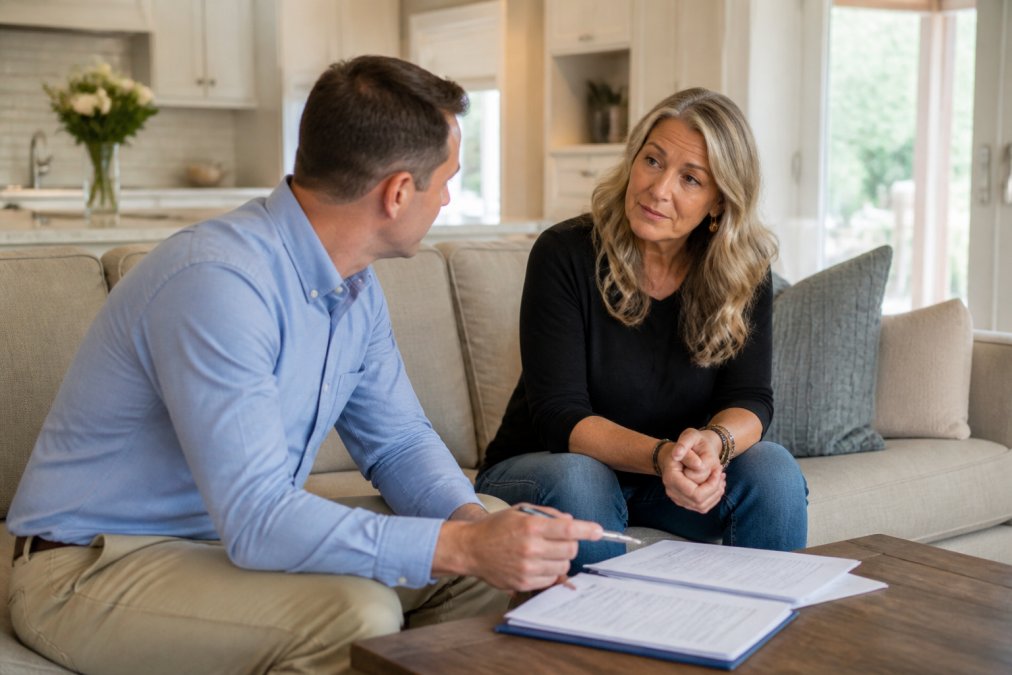
Cash buyers purchase properties directly from sellers, often in any condition, and close quickly. This is particularly valuable for probate properties because heirs often live out of state and cannot easily maintain or repair the inherited house. Contact the company, provide property details, receive an offer within 24 hours, and close within 7 to 14 days. The buyer handles all closing costs and commissions, so you receive the full offer amount.
OneRoof Real Estate has closed nearly 300 transactions in the Wichita area and is recognized on the Inc. 5000 list. They specialize in purchasing properties in any condition and close on the seller's timeline.
FSBO vs. Cash Buyer: Which Route Makes Sense for Your Estate
FSBO (For Sale By Owner) offers potentially higher sale proceeds if you market effectively and find a buyer willing to pay market rate. However, it requires significant time and effort for marketing, showing, negotiating, and managing closing. For out-of-state heirs, this can be impractical.
Cash buyers offer speed and simplicity. You receive an offer quickly, close within days or weeks, and avoid marketing burdens. The trade-off is typically a lower offer price, as cash buyers factor in their own costs and risk. If you're local, have time, and want maximum proceeds, FSBO is viable. If you're out of state, the property is in poor condition, or you need fast closing, a cash buyer is the better choice.
Common Mistakes to Avoid When Selling Probate Property Independently
Mistake 1: Skipping or delaying probate administration. Many heirs assume they can sell without formal court involvement. This creates title problems and makes the sale impossible. Begin probate administration immediately.
Mistake 2: Pricing too aggressively. Unrealistic asking prices frustrate buyers and delay the sale. Use the appraisal as your guide.
Mistake 3: Neglecting property condition. Basic cleanliness and curb appeal matter. A neglected property signals problems and justifies lower offers.
Mistake 4: Failing to disclose known defects. Kansas law requires honest disclosure of property conditions. Hiding issues invites legal liability and deal collapse.
Mistake 5: Proceeding without a title company. Title companies protect you and the buyer by ensuring clear title and proper deed transfer. Never skip this step.
Mistake 6: Not obtaining court approval before accepting an offer. Get court approval before committing to a sale to avoid deal risk.
Mistake 7: Ignoring liens and back taxes. Unpaid property taxes, mortgage debt, or judgment liens must be resolved at closing. Address these issues early.
Tax Implications and Net Proceeds for Heirs
Understanding tax consequences helps you calculate actual proceeds.
Stepped-up basis is the most important tax concept for inherited property. When someone dies, the basis of their property is "stepped up" to the fair market value on the date of death. If the deceased bought the house for $150,000 and it's worth $300,000 at death, your basis is $300,000, not $150,000. This stepped-up basis minimizes capital gains tax when you sell. If you sell for $310,000, you owe capital gains tax only on the $10,000 gain, not on the entire appreciation. Kansas has no capital gains tax on real property sales (ksrevenue.gov).
Probate administration costs, property taxes owed by the estate, and outstanding liens reduce net proceeds. Work with an accountant or tax professional to estimate these costs and calculate your actual net proceeds after taxes and expenses.
Conclusion
Selling a probate property in Wichita without a realtor is legally possible and often practical, but it requires careful attention to probate court requirements, title company coordination, and realistic pricing. The process typically takes six to twelve months from probate filing through closing.
If the independent route feels overwhelming, particularly if you're managing the sale from out of state or the property is in poor condition, cash home buyers offer a compelling alternative. OneRoof Real Estate specializes in purchasing inherited properties as-is, closing within 7 days, and covering all costs and commissions.
Whether you choose the FSBO path or work with a cash buyer, start by establishing legal authority through probate administration, obtain a professional appraisal, and never skip title company services. These foundational steps protect you and ensure a smooth closing.
Frequently Asked Questions
[1] Q: How long does the probate process take in Kansas before I can sell the property? A: In Kansas, probate typically takes 6 to 12 months, though it can be faster or slower depending on estate complexity, debts, and whether the will is contested. You cannot legally sell the property until the executor or personal representative obtains letters of testamentary or letters of administration from the probate court. Once you have court authority, the actual sale process may take 30 to 60 days if you handle it independently without a realtor.
[2] Q: What are the legal requirements for selling inherited property without a realtor in Kansas? A: You must obtain court approval through letters of testamentary or letters of administration, which authorize you to sell estate assets. You'll need to work with a title company to handle the deed transfer and ensure clear title. Kansas law requires proper disclosure of the property's condition, a purchase agreement signed by all parties, and probate court sign-off on the sale. You are not required to use a realtor, but you must follow all legal steps and provide required property disclosures to buyers.
[3] Q: Why would I choose a cash home buyer over selling my probate property myself? A: Cash buyers eliminate inspection contingencies, and the need to market or show the property repeatedly. They close quickly, cover all closing costs and fees, and buy properties as-is without requiring repairs or cleaning. For out-of-state heirs or those managing complex estates, this removes the burden of coordinating showings, negotiations, and inspections. The trade-off is a lower sale price compared to traditional market value, but the speed and certainty often outweigh the discount for probate situations.
[4] Q: Can I sell a probate property without court approval in Kansas? A: No. Kansas law requires court approval before an executor or personal representative can sell real property from the estate. You must obtain letters of testamentary or letters of administration from the probate court, which formally authorizes you to act on behalf of the estate. Some transactions may qualify for simplified or expedited probate procedures if the estate is small, but all real estate sales require documented legal authority and court oversight.
Frequently Asked Questions
Q: How long does the probate process take in Kansas before I can sell the property?
In Kansas, probate typically takes 6 to 12 months, though it can be faster or slower depending on estate complexity, debts, and whether the will is contested. You cannot legally sell the property until the executor or personal representative obtains letters of testamentary or letters of administration from the probate court. Once you have court authority, the actual sale process may take 30 to 60 days if you handle it independently without a realtor.
Q: What are the legal requirements for selling inherited property without a realtor in Kansas?
You must obtain court approval through letters of testamentary or letters of administration, which authorize you to sell estate assets. You'll need to work with a title company to handle the deed transfer and ensure clear title. Kansas law requires proper disclosure of the property's condition, a purchase agreement signed by all parties, and probate court sign-off on the sale. You are not required to use a realtor, but you must follow all legal steps and provide required property disclosures to buyers.
Q: Why would I choose a cash home buyer over selling my probate property myself?
Cash buyers eliminate inspection contingencies, and the need to market or show the property repeatedly. They close quickly, cover all closing costs and fees, and buy properties as-is without requiring repairs or cleaning. For out-of-state heirs or those managing complex estates, this removes the burden of coordinating showings, negotiations, and inspections. The trade-off is a lower sale price compared to traditional market value, but the speed and certainty often outweigh the discount for probate situations.
Q: Can I sell a probate property without court approval in Kansas?
No. Kansas law requires court approval before an executor or personal representative can sell real property from the estate. You must obtain letters of testamentary or letters of administration from the probate court, which formally authorizes you to act on behalf of the estate. Some transactions may qualify for simplified or expedited probate procedures if the estate is small, but all real estate sales require documented legal authority and court oversight.
Selling a probate property in Wichita without a realtor is achievable when you understand the legal requirements and follow a structured process. Whether you handle it independently or work with a cash buyer, the key is starting early, staying organized, and getting professional guidance where needed. The inherited property sale doesn't have to be a burden, with the right approach, it's a manageable transaction that honors the estate and serves the heirs.
This article was written using GrandRanker