 ultimate-guide
Why Sell Your House for Cash in Wichita
Table of Contents
- How the Cash Home Buying Process Works
- Benefits of Selling for Cash vs. Traditional Listing
- Average Time to Close a Cash Sale
- Pros and Cons of Cash Home Buyers
- How to Avoid Scams When Selling for Cash
- What 'As-Is' Condition Really Means
- Documents and Steps to Prepare for Your Cash Sale
- Conclusion
Last Updated: August 16, 2026
How the Cash Home Buying Process Works
Selling your house for cash means bypassing the traditional real estate market entirely. You work directly with a cash home buyer who makes an offer on your property as-is, eliminating inspections, appraisals, contingencies, and repair requirements.
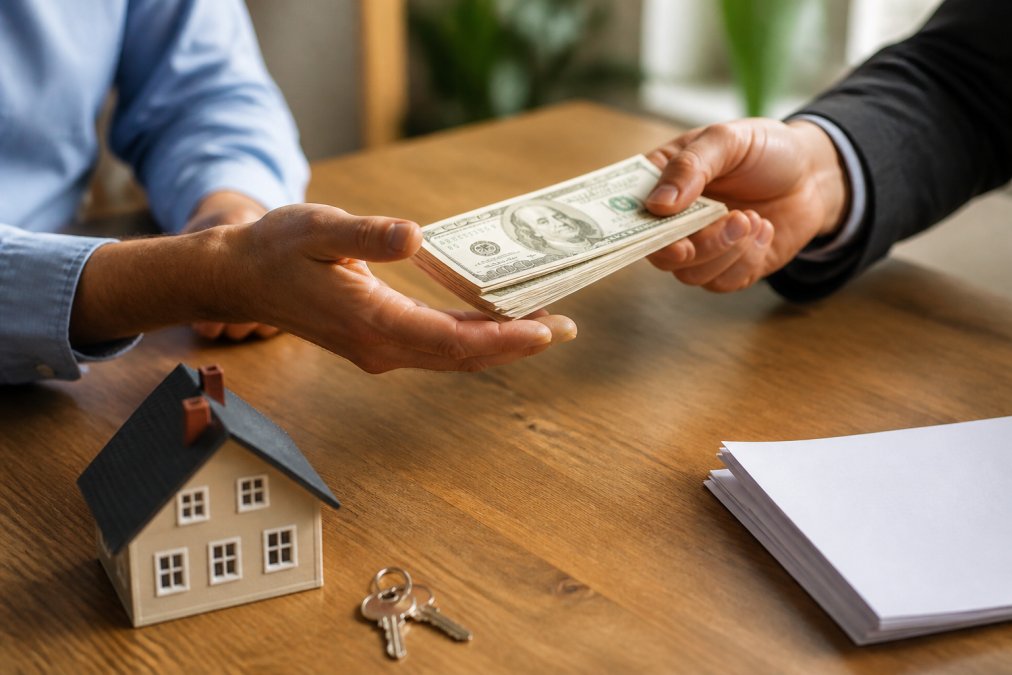
Here's how it unfolds: You contact a cash buyer and provide basic information about your property. Within 24 hours, they deliver a fair, all-cash offer with no strings attached. If you accept, closing typically happens in 7 days. The buyer handles all closing costs and commissions, you pay nothing out of pocket and choose the closing date that works for your situation. On that date, you receive your cash and transfer the deed.

OneRoof Real Estate operates this way across the Wichita area and 27 other states. The company has closed nearly 300 transactions locally, giving them deep familiarity with regional market conditions and the specific situations homeowners face: inherited properties, pre-foreclosure scenarios, tenant problems, and code violations. Their process is straightforward, they evaluate your property honestly, make an offer, and stick to it.
The speed comes from certainty. A cash buyer doesn't depend on mortgage approval, inspection contingencies, or appraisals. They've already verified their funds, so your timeline isn't held hostage to a lender's underwriting department or a buyer's cold feet. This certainty is why cash sales close quickly and why sellers facing urgent situations, divorce, probate, foreclosure avoidance, often choose this route.
Benefits of Selling for Cash vs. Traditional Listing
When you list traditionally, you stage your home, fix visible problems, host open houses, negotiate with multiple offers, and wait for a buyer's mortgage to clear. The entire cycle typically takes 60 to 90 days or longer.
Selling for cash eliminates staging, repairs, open houses, and commission payments. You also avoid uncertainty, a traditional sale can fall through at inspection, appraisal, or underwriting. A cash sale, once accepted, closes.
Financially, traditional sales cost you significantly. Real estate agent commissions run 5-6% of the sale price, with closing costs adding another 1-3%. On a $200,000 home, you'd pay $12,000 to $18,000 before seeing any proceeds. With a cash buyer, you pay nothing, the buyer covers all costs.
The emotional and logistical burden shifts dramatically. You're not managing showings, responding to agent calls, or maintaining a home for months while it sits on the market. If you're managing an inherited property from out of state, dealing with a problem tenant, or facing foreclosure, the simplicity of a cash sale is genuinely valuable.
Time is the most tangible benefit. A cash sale closes in 7 days. A traditional sale takes 60 to 90 days. If you need to relocate for a job, finalize a divorce, or stop losses on a rental property with a non-paying tenant, that difference is transformative.
Average Time to Close a Cash Sale
A cash sale typically closes in 7 days from acceptance of the offer. This is the standard timeline for direct cash buyers operating in the market. OneRoof Real Estate follows this schedule consistently.
Why so fast? Because there's no mortgage approval process, appraisal contingency, inspection contingency, or underwriting delays. The buyer has already verified their funds. The title company handles the paperwork, deed transfer, and fund movement, seven days is sufficient for these tasks.
Compare this to a traditional sale. The median time on market before an offer arrives is 30 days. Once an offer is accepted, closing typically takes another 30 to 45 days while the buyer's mortgage lender completes underwriting, the appraiser evaluates the property, and the inspector identifies issues requiring negotiation. You're looking at 60 to 90 days minimum, often longer if complications arise.
For sellers in urgent situations, inherited property, pre-foreclosure, problem tenants, code violations, the 7-day timeline is often the deciding factor. If you're managing an estate from another state or facing a foreclosure deadline, waiting 90 days isn't viable. A cash buyer makes the timeline certain.
Pros and Cons of Cash Home Buyers
Pros of selling to a cash buyer:
Cash buyers eliminate contingencies. Your sale won't fall through because of an inspection, appraisal, or financing issue. Once you accept the offer, closing is nearly guaranteed.
You avoid repairs. Cash buyers purchase properties as-is. If your home has foundation issues, code violations, water damage, or hasn't been maintained, you don't have to fix anything.
No commissions or hidden fees. You pay nothing. The buyer covers all closing costs, title work, and fees. Your proceeds are the offer amount.
Speed. Seven days to close means you can move forward quickly, whether you're relocating, finalizing a divorce, or stopping losses on a rental property.
You control the closing date. You choose when you want to close, giving you predictability and flexibility.
Cons of selling to a cash buyer:
The offer is typically lower than market value. Cash buyers make money by purchasing below market and either renovating or holding long-term. If your home would sell for $200,000 traditionally, a cash offer might be $160,000 to $180,000. You're trading certainty and speed for a lower price.
You don't get market exposure. A traditional listing reaches hundreds or thousands of potential buyers. A cash sale is a direct transaction with one buyer.
Limited negotiation on terms. Cash buyers operate on simplified processes and aren't flexible on inspection periods, contingencies, or closing dates the way traditional buyers sometimes are.
The buyer has significant leverage. Because they're offering certainty and speed, they know you're likely in a situation where a traditional sale isn't viable or desirable. This is factored into their offer price.
How to Avoid Scams When Selling for Cash
The cash home buying space attracts legitimate operators and bad actors alike. Protecting yourself requires knowing what to look for.
Verify proof of funds before signing anything. A legitimate cash buyer should provide evidence they actually have the money, bank statements, proof of funds letter, or documentation from an escrow company. If they won't show you proof of funds, walk away.
Check their track record locally. How many properties have they closed in your area? Can they provide references from recent sellers? OneRoof Real Estate has closed nearly 300 transactions in the Wichita area, that's verifiable, local history. A scammer won't have this kind of documented track record.
Don't wire money upfront. A real cash buyer doesn't ask you to wire money before closing. If someone asks for an upfront fee or "earnest money," it's a scam.
Use a title company. Never do a direct cash transfer without a neutral third party. A title company protects both of you by handling the deed transfer and funds simultaneously. This is standard practice and a major red flag if a buyer tries to avoid it.
Get everything in writing. The offer, closing date, and amount you'll receive should all be documented. Don't rely on phone calls or emails from random addresses.
Watch for pressure tactics. Scammers rush you and create artificial urgency. Legitimate buyers give you time to review the offer and ask questions.
Research the company. Look them up online, check their website, read reviews, and verify their business address. A scammer often has a thin online presence or mismatched information across platforms.
What 'As-Is' Condition Really Means
"As-is" means the buyer is accepting the property in its current state, no repairs required, no cosmetic updates demanded, no renegotiation after inspection.
For you, as-is means you don't have to fix anything. If your roof leaks, the foundation cracks, the plumbing is failing, or the kitchen hasn't been updated since 1985, the buyer is taking it as-is. You're not responsible for repairs, and the buyer isn't going to back out because of them.
This is radically different from a traditional sale. In a traditional sale, the buyer typically includes an inspection contingency. The inspector finds issues, and then the buyer either demands you fix them, asks for a credit, or walks away. With a cash buyer, there's no inspection contingency. They've already factored the property's condition into their offer and won't renegotiate based on inspection findings.
For sellers with problem properties, inherited homes that haven't been maintained, rentals with damage from problem tenants, homes with code violations or structural issues, as-is is transformative. You're not forced to spend money on repairs just to sell.
Documents and Steps to Prepare for Your Cash Sale
Preparing for a cash sale requires less work than a traditional listing, but you still need to handle the essentials.
Documents you'll need:
- Proof of ownership (deed or title)
- Any mortgage documents or payoff information if the property is still financed
- Property tax records
- Homeowners insurance information
- HOA documents if applicable
- Disclosure forms required in your state
- Any warranties or service agreements for major systems

Steps to prepare:
First, gather your documentation. You'll need proof that you own the property and any details about liens, mortgages, or outstanding taxes. If the property is financed, you'll need a payoff amount from your lender.
Second, disclose known issues honestly. Most states require sellers to disclose known defects. A cash buyer expects this and has already factored condition into their offer.
Third, make sure the title is clear. If there are liens, judgments, or tax issues against the property, they need to be resolved before closing. The title company will identify these during their search.
Fourth, coordinate access for the buyer's evaluation. The buyer will want to inspect the property and may bring contractors or specialists. Make the property accessible.
Fifth, review the purchase agreement carefully. Make sure the offer amount, closing date, and terms match what you discussed.
Sixth, work with the title company. They'll handle the deed preparation, title transfer, and fund transfer. Respond promptly to their requests.
The entire process, from initial contact to closing, typically takes 7 days. OneRoof Real Estate handles most of the heavy lifting, they coordinate with the title company, arrange inspections, and manage the closing process. Your job is to provide documentation and show up at closing to sign the deed and receive your proceeds.
Conclusion
Selling your house for cash in the Wichita area offers a fundamentally different path than listing traditionally. You get certainty, speed, and simplicity, no repairs, no commissions, no contingencies, and a closing date you control. For homeowners managing inherited property from out of state, facing pre-foreclosure, dealing with problem tenants, or managing properties with significant damage, a cash sale often makes more sense than waiting months for a traditional buyer.
OneRoof Real Estate specializes in exactly these situations. They've closed nearly 300 transactions locally, provide fair all-cash offers within 24 hours, cover all closing costs and commissions, and close in 7 days. They buy properties as-is, foundation issues, code violations, tenant damage, everything, without requiring repairs or cleaning. If you're ready to move forward quickly and avoid the burden of unwanted property, get started with OneRoof Real Estate and receive a no-obligation offer today.
Frequently Asked Questions
Is selling a house for cash a good idea?
Selling your house for cash works best if you need speed, have a property requiring extensive repairs, or face foreclosure or inheritance complications. You'll receive a fair offer within 24 hours and close in as little as 7 days. The trade-off is that cash offers typically run 10-20% below market value because buyers absorb repair costs and risk. If you have time and your home is in good condition, a traditional listing may yield more money. If you need liquidity fast or want to avoid repairs entirely, cash sales eliminate hassle and uncertainty.
How long does a cash home sale typically take to close?
Cash sales close much faster than traditional transactions. Most cash home buyers can close in 7-14 days, compared to 30-45 days for conventional financing. The timeline depends on your readiness to provide documents (deed, title, proof of ownership) and the title company's workload. You control the closing date, so if you need more time, you can extend it. No appraisals, inspections, or lender approval delays mean the process stays on track and predictable.
What are the risks of accepting a cash offer?
The main risk is accepting a lowball offer without understanding fair market value. Before you accept any cash offer, research comparable sales in your area and get a professional home valuation. Verify the buyer's legitimacy by checking their business license, reviews, and local track record. Never wire money upfront or sign documents without reviewing them with an attorney. Legitimate cash buyers cover all closing costs and fees, if a buyer asks you to pay anything, that's a red flag. Always use a title company to handle the transaction, not the buyer directly.
Are there hidden fees when selling to a cash buyer?
Legitimate cash buyers cover all closing costs, commissions, and fees, you pay nothing out of pocket. Your net proceeds are what you receive after the agreed purchase price. Some buyers advertise 'no fees' but then deduct repair estimates, holding costs, or 'buyer's fees' from your offer. Before accepting, ask the buyer to provide a written breakdown of all costs they'll cover and confirm your final payout amount in writing. If they mention surprise fees after you've agreed, that's a warning sign. Work with a title company to ensure transparency.
This article was written using GrandRanker