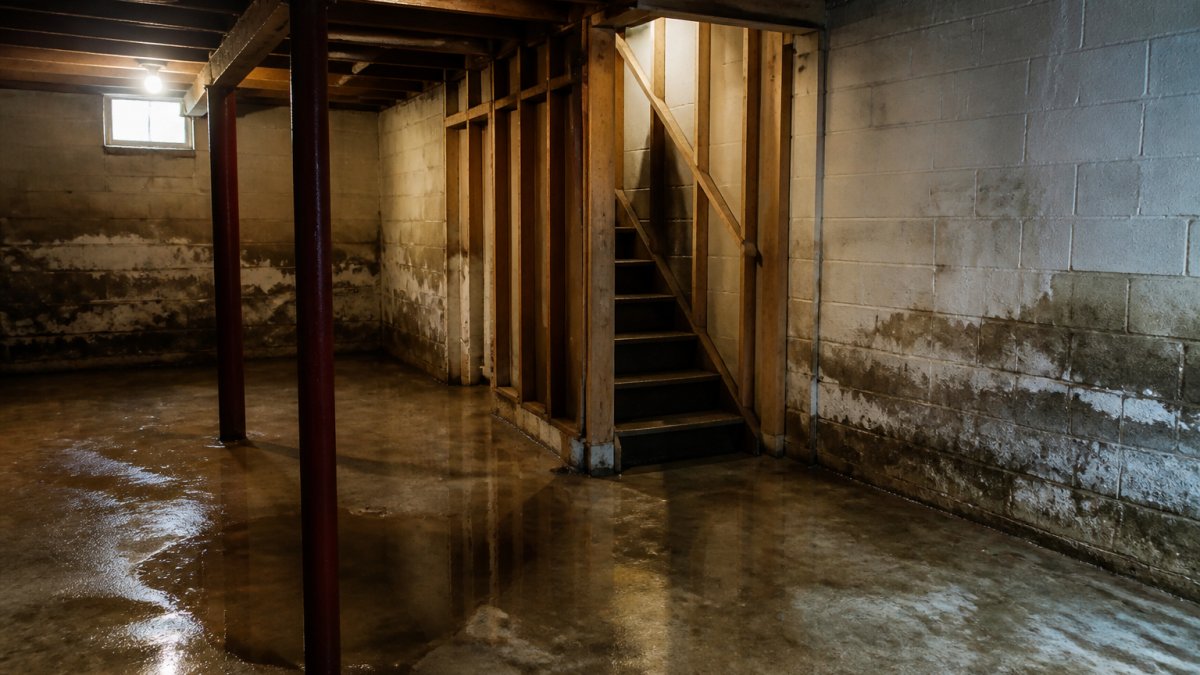
 how-to
Selling a Home with Basement Water Damage: A Guide
Table of Contents
- Understanding Basement Water Damage and Its Impact on Sale Value
- Legal Requirements for Disclosing Water Damage to Buyers
- Foundation Repair and Structural Integrity Concerns
- Cost of Basement Waterproofing and Repair Solutions
- Selling a House As-Is with Foundation Issues
- Documentation and Home Inspection Preparation
- Staging and Marketing a Home with Water Damage History
- Frequently Asked Questions
Last Updated: September 30, 2026
Understanding Basement Water Damage and Its Impact on Sale Value
Basement water damage selling is one of the biggest obstacles homeowners face when listing their property. It signals foundation problems, mold risk, and costly repairs ahead. Buyers see water stains and moisture, and they immediately worry about the structural integrity of the entire house. At OneRoof Real Estate, we've helped hundreds of sellers navigate this exact situation.
Water intrusion happens when moisture penetrates basement walls, floors, or crawl spaces. This occurs through cracks in the foundation, poor drainage, hydrostatic pressure from soil, or failed waterproofing systems. The damage itself ranges from minor discoloration to serious structural concerns that affect the home's resale value significantly.
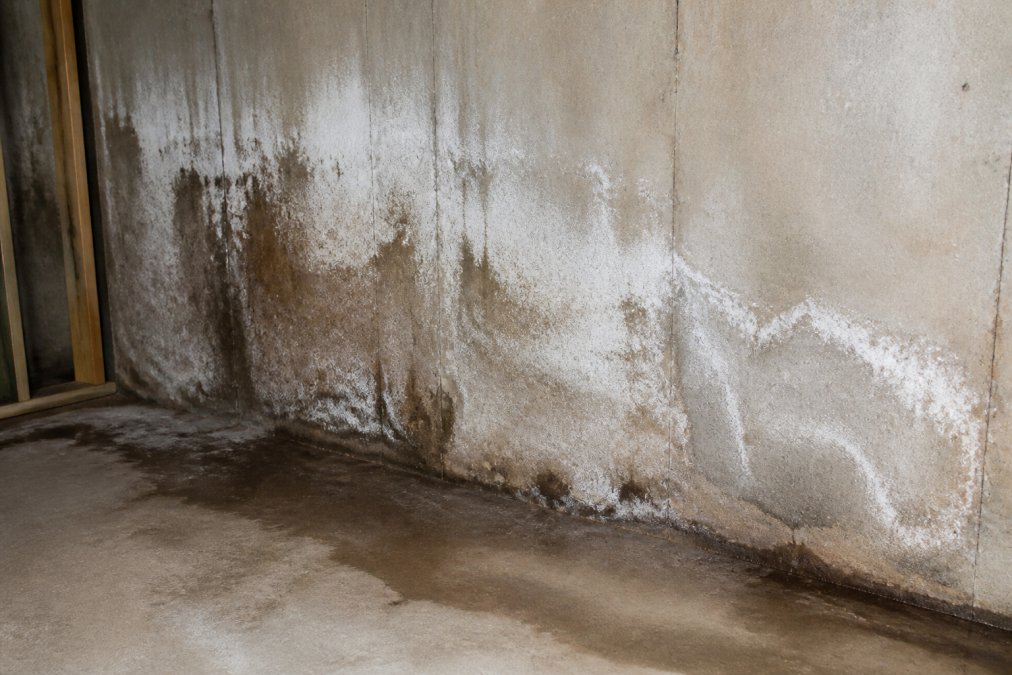
The financial impact is real. A home with documented water damage history typically sells for less than comparable properties without it. Buyers factor in the cost of repairs, potential mold remediation, and the uncertainty of what lies beneath the surface. However, the exact price reduction depends on several factors:
- Severity of visible damage
- Whether repairs have been attempted
- Local market conditions and buyer demand
- Age of the home and foundation type
- Documentation of past water intrusion events
Many sellers assume they must fix everything before listing. That's not always true. Some buyers actually prefer purchasing properties as-is and handling repairs themselves, especially investors and cash buyers who understand the true cost of repairs versus the asking price reduction.
Legal Requirements for Disclosing Water Damage to Buyers
Disclosure laws vary by state, but most jurisdictions require sellers to reveal known water damage to potential buyers. This is not optional. Failing to disclose can result in legal liability, contract cancellation, or lawsuits after closing.
Under Kansas law, sellers must complete a Residential Property Condition Disclosure Statement (RPCDS) before a buyer makes an offer or within three days of the offer, whichever is earlier. This form requires you to disclose all known material defects, including basement water damage, foundation cracks, mold, and any history of water intrusion. "Known" means you are aware of the condition, either through personal observation, past repairs, insurance claims, or professional inspections you've commissioned.
The Kansas disclosure form specifically asks:
- Has the property ever experienced water intrusion, flooding, or moisture problems?
- If yes, describe the location, date, cause, and repairs made.
- Has the problem recurred since repairs?
- Are there any ongoing moisture or drainage issues?
You must answer these questions truthfully. Incomplete or misleading answers expose you to liability under Kansas's Residential Property Condition Disclosure Act. A buyer who discovers undisclosed water damage after closing can sue for misrepresentation within one year of closing. Damages can include the cost of repairs, diminished property value, and attorney fees.
One critical distinction: you are only required to disclose defects you know about. If you've never had the basement inspected and genuinely don't know about water damage, you have no legal obligation to disclose it. However, this defense is weak if the damage is visible (stains, efflorescence, musty odors) or if you've received insurance claims or contractor estimates related to water issues.
If you're uncertain whether something qualifies as a "material defect," err on the side of disclosure. A buyer who discovers undisclosed damage will assume you hid it intentionally, even if you didn't. That assumption leads to lawsuits. Transparency, by contrast, builds trust and often allows negotiations to proceed.
Many sellers worry that full disclosure kills the sale. In reality, the opposite is true. Buyers who learn about water damage through your disclosure can factor repair costs into their offer and proceed with eyes open. Buyers who discover it later through inspection feel deceived and are far more likely to walk away or demand steep price reductions as punishment.
If you've already had repairs completed, keep all contractor invoices, engineering reports, warranties, and proof of insurance claims. These documents prove the problem was addressed professionally and reduce buyer anxiety. If you haven't repaired the damage, disclose that too. Many buyers, especially investors and cash buyers, factor repair costs into their offer and move forward without hesitation.
Foundation Repair and Structural Integrity Concerns
Water damage directly threatens foundation stability. When moisture penetrates concrete, it weakens the material over time. Cracks expand. Concrete begins to crumble. In severe cases, foundation settlement occurs, the house literally shifts and sinks.
A structural engineer's assessment is valuable here. This professional can determine whether damage is cosmetic or structural. Cosmetic water stains require cleanup and waterproofing. Structural damage requires foundation repair, a costly process involving underpinning, epoxy injection, or complete foundation replacement in extreme cases.
Foundation issues create serious red flags for buyers. Even if you repair the damage, buyers will demand a new inspection. They want assurance that the foundation is stable and won't cause problems after they buy. This is where documentation becomes critical.
If you've already had foundation repairs completed, keep all contractor invoices, engineering reports, and warranty documentation. These prove the problem was addressed professionally. If you haven't repaired it, be honest about that too. Many buyers factor repair costs into their offer.
Cost of Basement Waterproofing and Repair Solutions
Waterproofing solutions range from simple to complex. The right approach depends on the cause of water intrusion and the severity of damage.
Common solutions include:
- Interior sealants and coatings: Seal cracks and apply waterproof paint. Cost-effective but temporary.
- Sump pump installation: Removes standing water and reduces hydrostatic pressure. Prevents future flooding.
- Exterior drainage systems: Channel water away from the foundation. Addresses root causes.
- Vapor barriers: Reduce moisture vapor from entering the basement. Improves air quality.
- Foundation crack repair: Epoxy or polyurethane injection seals structural cracks.
- Basement dehumidification: Controls moisture levels and prevents mold growth.
The cost of these solutions varies widely based on the size of the basement, the extent of damage, and local labor rates. Rather than guessing at prices, get quotes from licensed contractors in your area. This gives you real numbers for disclosure and negotiation.
Many sellers ask: should I address basement water damage selling concerns before listing? The answer depends on your timeline and budget. If repairs are affordable and you have time, fixing the damage increases your asking price and reduces buyer hesitation. If you're under time pressure or funds are tight, selling as-is to a cash buyer like OneRoof Real Estate eliminates the repair burden entirely.
Selling a House As-Is with Foundation Issues
Selling as-is means the buyer accepts the property in its current condition. No repairs. No inspections required. No contingencies. This approach works especially well for homes with water damage and foundation problems. While some sellers prefer to walk away entirely, others choose to fix water damaged drywall themselves to improve the home's marketability before listing.
Traditional buyers expect repairs. They'll make offers contingent on inspections. They'll negotiate repair costs off the purchase price. They'll walk away if the damage seems too severe. Cash buyers operate differently.
OneRoof Real Estate buys homes in any condition, including those with active water damage, foundation issues, and failed inspections. We handle the repairs after closing. This removes the burden from you. You avoid the hassle of contractor bids, repair timelines, and the uncertainty of whether repairs will satisfy a future buyer.
The as-is approach also speeds up the sale. Traditional listings take months. Inspections, appraisals, and repair negotiations drag out the process.
Documentation and Home Inspection Preparation
Documentation is your strongest defense against buyer objections and legal risk. Before listing or accepting an offer, gather everything related to the water damage:
- Photos and videos showing current damage
- Past repair receipts and contractor invoices
- Engineering reports or foundation assessments
- Insurance claims related to water damage
- Maintenance records for sump pumps or drainage systems
- Proof of waterproofing treatments applied
Staging and Marketing a Home with Water Damage History
Staging a water-damaged home requires honesty mixed with strategic presentation. You can't hide the damage, but you can control how buyers perceive it and the narrative around repairs.
Create a "Repair and Prevention" Portfolio
- Before-and-after photos showing the damage and the completed repairs
- Dated contractor invoices with company names and license numbers
- Structural engineer or foundation assessment reports
- Insurance claim documentation (if applicable) showing the damage was significant enough to warrant a claim
- Warranties on waterproofing work, sump pumps, or foundation repairs
- Maintenance records for sump pumps, dehumidifiers, or drainage systems
- Proof of regular inspections or monitoring after repairs
Prepare Your Basement for Showings
Address Water Damage Directly in Your Listing
Tailor Marketing to Your Audience
- List on investor-focused platforms or networks
- Mention the property's investment potential and the cost-effectiveness of the repairs you've completed
- Highlight the sump pump, drainage system, or waterproofing warranty as selling points
- Use language like "Recently waterproofed and stabilized" rather than "Water damage history"
Use Photography Strategically
Prepare for the Home Inspector's Report
Frequently Asked Questions
Do I have to disclose basement water damage when selling my home?
Yes. Most states require sellers to disclose known water damage, foundation issues, and structural problems through a seller's disclosure statement. Failure to disclose can result in legal liability after closing. Document all water damage evidence, previous repairs, and mitigation efforts. Transparency protects you and sets realistic buyer expectations from the start.
How much does basement waterproofing cost, and is it worth doing before selling?
Basement waterproofing costs vary widely depending on the extent of damage, foundation type, and solutions needed (sump pump installation, interior/exterior sealing, drainage systems). Rather than investing in expensive repairs before listing, consider disclosing the damage and adjusting your asking price. Many buyers prefer to handle repairs themselves or factor costs into their offer. An as-is sale can be a faster option than waiting for repairs to complete.
Can I sell a house with foundation or water issues as-is?
Yes. You can sell a property with foundation damage and water intrusion as-is, but you must disclose the issues to potential buyers. Some buyers (including cash home buyers) specialize in purchasing properties in any condition without requiring repairs. This approach avoids the cost and time of repairs while ensuring a transparent transaction. Your sale price will reflect the condition, but you maintain control over the timeline.
How does basement water damage affect my home's resale value?
Water damage typically reduces property value by 5-20%, depending on severity, location, and the extent of structural compromise. Buyers factor in repair costs, potential mold remediation, and long-term durability concerns. However, transparent disclosure and realistic pricing attract serious buyers willing to accept the property's condition. An as-is sale can be a viable option.