 How-to
7 Questions to Answer Before Renovating an Old Home
Last Updated: November 20, 2026
Quick Summary
Deciding is it worth renovating an old home in derby in Kansas comes down to comparing renovation cost against value added. A typical Kansas renovation runs $18,000 to $45,000, while Derby's median home value was $282,137 as of October 2026. Renovation usually wins only when you plan to stay and the value added exceeds cost plus carrying costs.
- A Kansas home renovation was estimated at $18,000 to $45,000 in 2026, per AskDoss.
- Derby's median home value was $282,137 as of October 2026, up 2.4% year over year.
- Price hazard and system repairs first, since lead and asbestos work can consume a cosmetic budget.
- Add a 10 to 20 percent contingency to must-fix and should-fix repair totals.
- A cash offer typically closes in as little as 7 days with no repair costs.
Table of Contents
- Start With the Numbers: What Old Home Renovation Costs Look Like
- Will Home Renovation Return on Investment Hold Up in This Market?
- What the Pros and Cons of Renovating an Old Home Actually Look Like
- Inspect First: Hazards, Structural Repairs, and Kansas Requirements
- Renovate or Sell House As-Is: A Side-by-Side Comparison
- Selling a House That Needs Repairs Without Doing the Work
- Get a Cash Offer Before You Commit to a Renovation Budget
- Frequently Asked Questions
Start With the Numbers: What Old Home Renovation Costs Look Like
Whether renovating an old home is worth it comes down to three numbers: what the work costs, what the house is worth now, and what it will be worth after. Most homeowners guess at all three, which is why so many renovation budgets collapse halfway through.
Start with the cost side. A Kansas home renovation was estimated at $18,000 to $45,000 in 2026, according to AskDoss's Kansas renovation cost estimate.
Then look at value. Derby's median home value was $282,137 as of October 2026, up 2.4% year over year, per Zillow's Derby housing market data.
The gap between renovation cost and value added is where your answer lives. Below are the seven questions that settle it.
Will Home Renovation Return on Investment Hold Up in This Market?
Home renovation return on investment depends on the project, not the market alone. Nationally, homeowners completed remodeling projects at high rates recently: 54% finished a project in 2024, down slightly from 56% in 2023, per RubyHome's remodeling statistics.
Slowing growth signals that buyers are becoming more selective, which makes over-improvement riskier. Spend $80,000 on a house in a neighborhood of $250,000 homes and you may never recover it.
Projects That Tend to Recover the Most Value
The projects that hold value best are the ones buyers can see and verify:
- Minor interior updates: paint, flooring, light fixtures, hardware
- Kitchen renovation at a moderate scope: refacing rather than full gut
- Bathroom renovation: a clean, functional second bath
The happiness factor is real but not financial: a remodel you enjoy for a decade can be worth it even at a modest resale return.
What the Pros and Cons of Renovating an Old Home Actually Look Like
The pros and cons of renovating an old home come down to control versus cost. You control the layout, finishes, and systems. You also absorb every surprise the walls are hiding.
The pros:
- You get the house you want, not the house someone else flipped
- Modern systems mean lower maintenance and insurance costs
- Energy efficiency improvements cut monthly bills
The cons:
- High costs and long construction timelines, as BLB Design Build's pros and cons analysis notes
- Unknown conditions behind walls drive unexpected expenses
- Construction disruption while you live through it
If your only goal is the highest possible sale price, a full renovation rarely beats selling as-is in a strong market. If you plan to stay, the math changes entirely.
Once you have weighed both sides, the next practical step is finding contractors you can trust. Our guide on how to find reliable Derby home repair contractors covers what to ask and what to verify before you sign anything.
Inspect First: Hazards, Structural Repairs, and Kansas Requirements
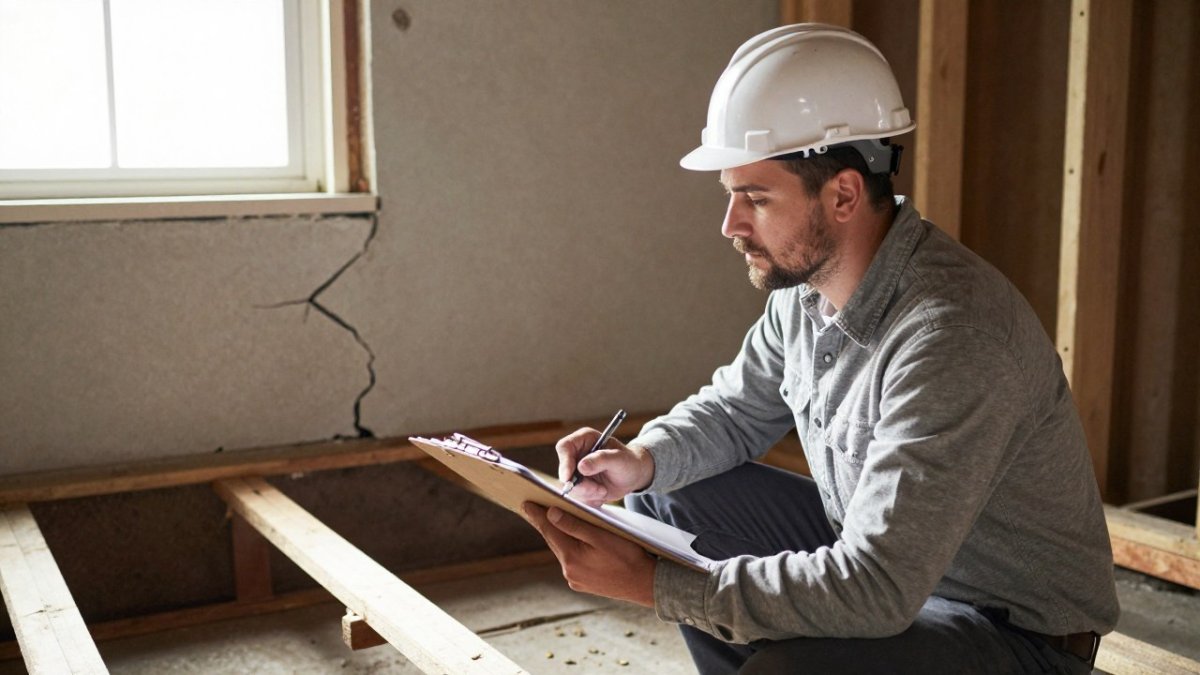
An inspection before you budget is not optional. Old homes carry hazards a walkthrough will not reveal, and the work must clear permitting and inspection requirements that vary by jurisdiction. The goal is a repair list you can price before you commit.
The man is American.
A Practical Old-Home Inspection Checklist
Use this sequence to turn a walkthrough into a budget line item. For each system, note condition, age, and whether the fix is cosmetic or structural.
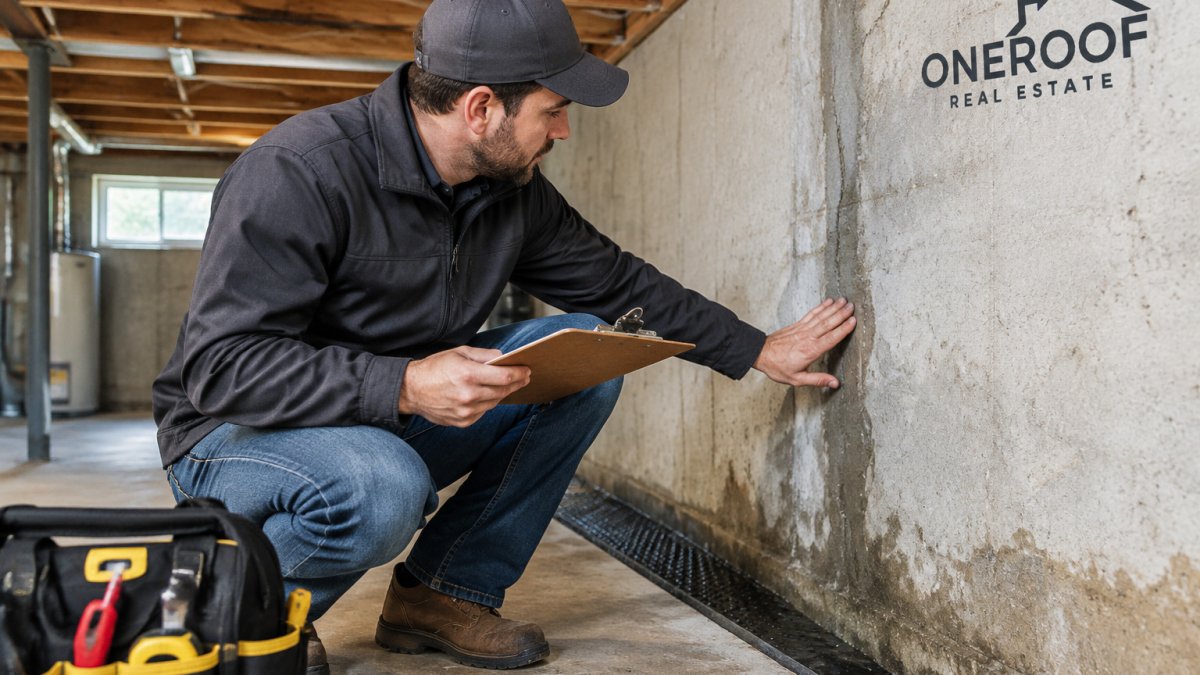
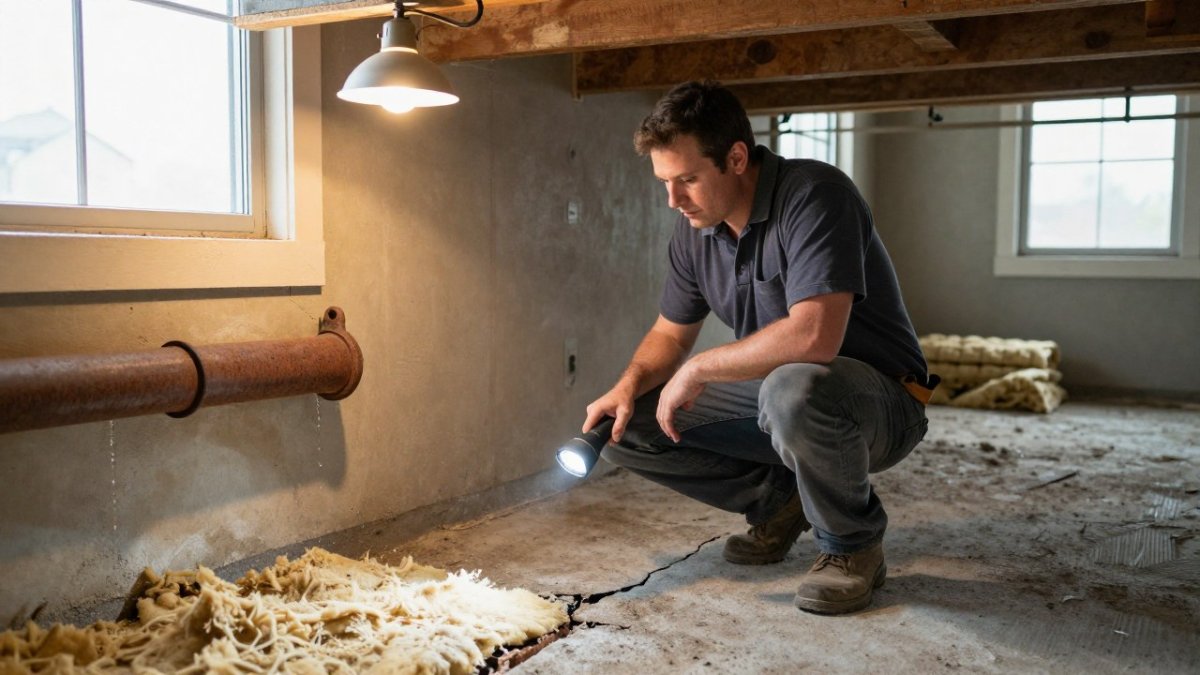
- Foundation and structure. Walk the perimeter and the basement or crawlspace. Look for stair-step cracks in brick, horizontal cracks in block walls, bowing, pier settlement, and rot at sill plates and floor joists.
- Roof and drainage. Note shingle age, granule loss, flashing, and gutter condition. Confirm grading slopes away from the foundation and downspouts discharge clear of the wall.
- Electrical. Identify service amperage, panel brand, and wiring type. Cloth-insulated wiring, aluminum branch circuits, and fuse boxes signal upgrade work. Ask whether the panel has capacity for added HVAC or kitchen loads.
- Plumbing. Check supply line material, visible drains, water pressure, and water heater age. Consider a sewer scope on older homes, since a collapsed line will not show up visually.
- HVAC and ductwork. Record equipment age, fuel type, and duct condition. Undersized returns and leaky ducts are common in older homes and affect comfort and energy bills.
- Moisture, mold, and pests. Look for staining, efflorescence, musty odors, and previous patching. A moisture meter reading at suspect walls beats a visual guess.
- Hazardous materials. Assume lead paint in pre-1978 homes and asbestos in older insulation, floor tile, and pipe wrap until testing says otherwise. Disturbing these without controls raises cost and liability.
What Hazards Do to the Budget
Hazard remediation changes the project math more than finish selections do. Lead paint stabilization, asbestos abatement, and knob-and-tube or aluminum wiring replacement are often required before other trades can proceed, adding time and cost. A cosmetic remodel budget can get consumed by hazard and system work before a single finish is installed. Price these items first, then see what remains for kitchens and baths.
Permits, Inspections, and Local Requirements
Most structural, electrical, plumbing, and mechanical work requires a permit and inspection through the local authority having jurisdiction. Requirements vary by jurisdiction, so confirm the rules with the Derby permitting office before work begins, and hire licensed trades for anything behind a wall. In practice, that means:
- Ask the permitting office which scopes require a permit and whether owner-builder permits are allowed.
- Confirm the inspection sequence (rough-in, framing, final) so the schedule accounts for inspection windows.
- Keep permit and inspection records; unpermitted work can complicate a future sale.
Foundation issues deserve particular attention in this region; our overview of foundation problems common in Wichita homes explains what to look for.
Turn the Inspection Into a Decision
Sort every finding into three buckets: must-fix for safety or code, should-fix to protect value, and cosmetic. Add a contingency to the must-fix and should-fix totals, because old homes rarely reveal everything on the first pass. If the must-fix total plus contingency approaches the gap between as-is and post-renovation value, the renovation case is weak regardless of finishes.
Renovate or Sell House As-Is: A Side-by-Side Comparison
The renovate or sell house as-is decision is a cash-flow question as much as a value question. Renovating means spending money now for a higher price later, after months of work. Selling as-is means accepting a lower price today with no repair costs, holding costs, or construction timeline. The choice to renovate before selling comes down to whether the expected increase in proceeds justifies the cash tied up and the time spent waiting.
| Factor | Renovate First | Sell As-Is |
|---|---|---|
| Money out of pocket | $18,000-$45,000+ typical Kansas range, plus contingency | None for repairs |
| Time to close | 3-9 months including construction | As little as 7 days with a cash buyer |
| Price outcome | Higher asking price, uncertain net | Lower offer, certain net |
| Risk | Cost overruns, hidden damage, inspection surprises | None after closing |
| Best for | Owners staying long term | Owners who need speed or certainty |
Run the Feasibility Calculation Before You Choose
Most sellers compare the after-repair price to the as-is offer and stop there. That is the mistake. Run both paths to a net number using the same inputs.
- Establish the as-is value. Use a cash offer or an as-is estimate as your baseline.
- Price the repair list. Separate must-fix from should-fix and add a 10 to 20 percent contingency for hidden conditions.
- Estimate the post-renovation value. Ask a local agent for a conservative after-repair value based on recent Derby sales, not the list price you hope for.
- Add carrying costs. Count mortgage interest, taxes, insurance, utilities, and any rent during construction. A vacant home needs vacant-property insurance.
- Add transaction costs. Include commissions and seller-side closing costs on the renovation path; a cash sale typically avoids commissions.
- Compare net proceeds. Renovation net equals post-renovation value minus repair cost, contingency, carrying costs, and transaction costs. As-is net equals the as-is offer minus any agreed deductions.
A common pattern is that the renovation path wins only when the value added exceeds the cost plus carrying costs by a comfortable margin. If the margin is thin, the as-is path usually wins on certainty even when the headline price is lower.
Derby Cost and Resale Context
Derby's median home value was $282,137 as of October 2026, up 2.4% year over year, per Zillow's Derby housing market data. Redfin put the average Derby house price near $300,000 with a competitiveness score of 75 out of 100 (Redfin's Derby market report). That context matters for over-improvement risk: if nearby homes cluster around a certain price band, spending well above that band on a renovation is hard to recover at resale, no matter how good the work is.
When Each Path Makes Sense
Renovate first when you plan to stay long enough to enjoy the improvements, when the must-fix list is modest relative to the value gap, and when you can fund the work without stretching.
The renovation path only wins when the value added exceeds the cost plus carrying costs during construction. Our breakdown of whether selling a house as-is is worth it walks through the trade-offs.
Selling a House That Needs Repairs Without Doing the Work
Selling a house that needs repairs without fixing it is entirely possible, and in a market like Derby's it is often the smarter financial move. Cash buyers purchase in any condition.
Here is the practical sequence we recommend:
- Get a repair estimate from a licensed contractor, even if you never do the work
- Get a cash offer on the property as-is
- Compare the as-is offer against the after-repair price minus repair costs, holding costs, and commissions
- Choose the path with the higher net, not the higher headline price
Most sellers only run step three on the renovation side. Skipping repairs removes months of carrying costs, insurance on a vacant property, and the risk that a retail buyer's inspection kills the deal. Our article on the pros and cons of skipping repairs before selling lays out the full picture.
Get a Cash Offer Before You Commit to a Renovation Budget
A cash offer is the cheapest feasibility study you will ever run.
At OneRoof Real Estate, we buy houses in any condition, as-is, with no repairs, fees, or commissions.
Understanding how a cash offer is calculated helps you judge one fairly. Our behind-the-scenes look at how cash home buyers determine their offers explains the repair deductions and margin assumptions behind every number.
If you are weighing is it worth renovating an old home in derby in Kansas against a sale, get the offer first.
The hardest part of this decision is not the math.
Frequently Asked Questions
How do I compare renovation costs with an older home's likely resale value?
Add up contractor quotes, a 10-20% contingency, and carrying costs while you renovate. Then compare that total to the gap between your home's current as-is value and the value of comparable renovated homes nearby. If the renovation spend plus your current value exceeds what renovated comparable homes sell for, you are overcapitalizing.
Should I renovate an old house before selling it, or sell as-is?
It depends on the scope of work and your timeline. Minor cosmetic updates like paint and curb appeal often pay back at resale, while structural repairs, foundation work, and full kitchen or bathroom renovations rarely return their full cost. If the repairs are extensive or you need to close quickly, selling a house that needs repairs as-is avoids contractor quotes, construction timelines, and the risk of unexpected expenses. A cash offer comparison makes the decision concrete.
At what point is a house not worth fixing?
A house is usually not worth fixing when repair costs approach or exceed the difference between its as-is value and the value of comparable renovated homes. Foundation failure, widespread water damage, or code violations that require systemic rework are the common tipping points. Get two or three contractor quotes plus an inspection report, then compare that total against your likely resale value before committing to a renovation budget.
Which repairs should I prioritize in an older home?
Start with safety and structural condition: roof, foundation, electrical, plumbing, and any older-home hazards like asbestos or lead paint. These protect the home's value and are often required for financing. Energy efficiency upgrades and cosmetic work come after. If you plan to sell, prioritize exterior improvements and curb appeal, since those tend to recover more at resale than a full kitchen renovation in an old house.