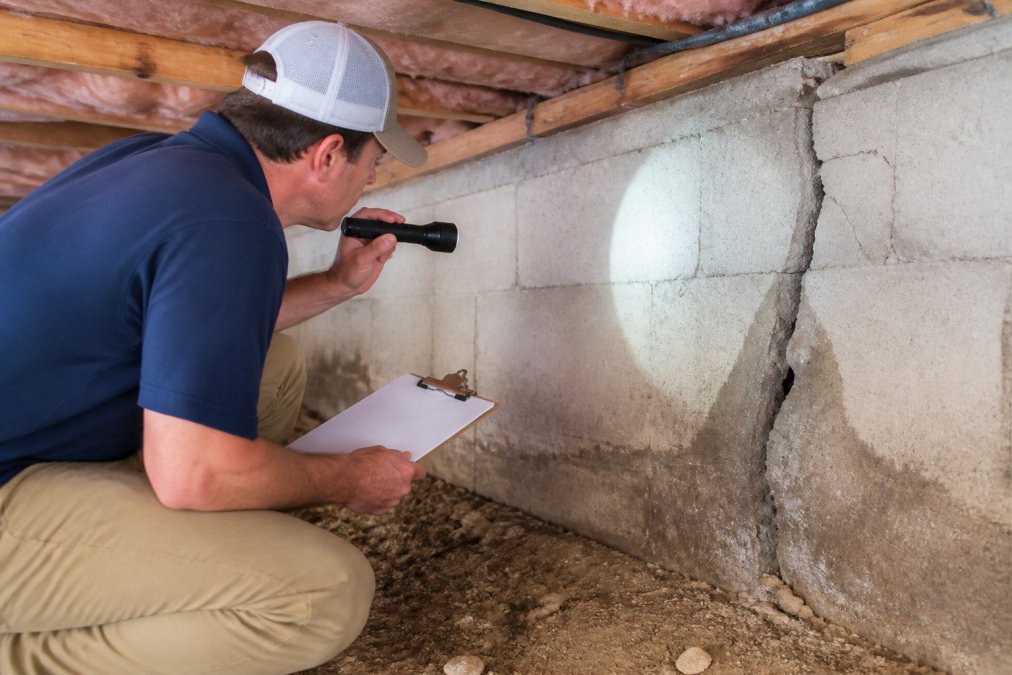
 how-to
Foundation Damage & Home Appraisal Value
Table of Contents
- How Foundation Damage Impacts Appraisal Value
- What Appraisers Look For: Signs of Foundation Settlement and Structural Damage
- Quantifying the Loss: Foundation Issues and Home Equity
- Selling a House with Foundation Problems
- Foundation Repair vs. Selling As-Is: Which Path Protects Your Bottom Line
- How to Disclose Foundation Issues to Buyers
- Your Options When Foundation Damage Threatens Your Sale
- Frequently Asked Questions
Last Updated: September 21, 2026
How Foundation Damage Impacts Appraisal Value
A foundation damage appraisal directly affects how appraisers value your home. When an appraiser inspects a property with foundation issues, they assess the severity and estimate repair costs. Those costs get subtracted from the home's market value, sometimes significantly.
The impact varies depending on damage type and extent. Minor hairline cracks might reduce value by a few thousand dollars, while severe structural issues, bowing walls, or foundation failure can lower appraisal value by 10-20% or more.
Appraisers calculate repair costs and subtract that amount from the home's sound-foundation value, making foundation damage appraisal one of the costliest processes in real estate valuation.
What Appraisers Look For: Signs of Foundation Settlement and Structural Damage
Professional appraisers examine specific red flags and distinguish between cosmetic cracks and structural damage, a distinction that directly determines how much value is deducted.
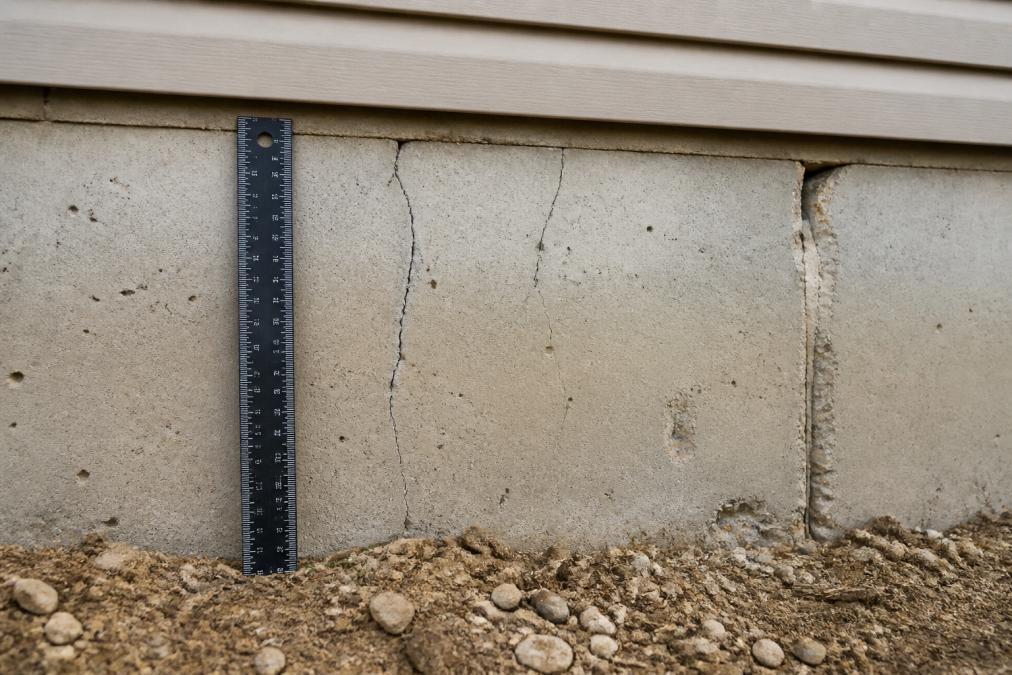
Common signs appraisers document:
- Hairline cracks in foundation walls or basement concrete
- Horizontal cracks (more serious than vertical ones)
- Bowing or leaning walls
- Gaps between walls and the home's frame
- Doors and windows that stick or won't close properly
- Uneven or sloping floors
- Cracks in drywall, especially near corners
- Water intrusion or dampness in the basement
How appraisers assess severity:
Appraisers measure crack width, hairline cracks under 1/8 inch are typically cosmetic, while cracks wider than 1/4 inch signal structural movement. They document direction: vertical cracks result from normal settling and are less concerning, while horizontal cracks indicate lateral pressure and structural risk. They note location, cracks near corners, seams, or in stair-step patterns suggest active settlement.
The appraiser checks for evidence of previous repairs, water damage, or mold, and assesses whether the home is level using a laser level or transit. Significant deviation, more than 1/2 inch over 20 feet, documents settlement and justifies larger depreciation.
The role of professional engineering reports:
If you have a structural engineer's report, provide it during appraisal. An engineer's report includes detailed measurements, photographs, cause analysis, and professional opinion on whether damage is structural or cosmetic, plus repair recommendations and cost estimates.
Appraisers weight engineer reports heavily as third-party professional documentation. If an engineer certifies cracks are cosmetic and pose no structural risk, the appraiser is more likely to reduce or eliminate depreciation.
Wichita-specific soil considerations:
Appraisers familiar with Wichita's clay-heavy soil understand it expands and contracts with moisture changes, creating foundation pressure. Settlement caused by expansive soil may receive smaller depreciation than settlement from poor drainage or structural failure.
Documentation matters:
Provide receipts, contractor reports, and professional inspections to the appraiser. Transparency and professional evidence reduce the risk of excessive depreciation based on incomplete information.
Quantifying the Loss: Foundation Issues and Home Equity
Foundation problems directly reduce your home's equity and resale value. A small repair ($3,000-$8,000) reduces appraised value by roughly that amount. Larger repairs like piering or underpinning ($15,000-$50,000+) get deducted from appraised value, sometimes with additional depreciation applied.
Appraisers also factor in perceived risk of future problems, which can reduce value beyond the immediate repair estimate.
Real-world impact example: A home appraised at $250,000 with a $25,000 foundation repair estimate might see its appraised value drop to $220,000 or lower. That's a direct loss of equity. If you're selling, buyers will negotiate harder, knowing about the foundation issue.
The loss is even steeper if structural damage is extensive. Severe foundation failure can reduce a home's value by 15-25%. In some cases, lenders won't finance properties with major unrepaired foundation damage, which shrinks your buyer pool significantly.
Selling a House with Foundation Problems
Selling a home with known foundation damage creates real challenges. Traditional buyers and lenders are cautious about structural issues.
Most conventional buyers will demand a price reduction to cover repairs. Their lender likely requires a structural engineer's report before approving the mortgage. If the report shows significant damage, the lender may refuse to finance the purchase entirely.
You have two main paths:
List traditionally and negotiate: Disclose the foundation issue, expect lower offers, and be prepared for a longer sale timeline. Buyers will commission their own inspections and use the findings to negotiate down your asking price.
Sell as-is to a cash buyer: Companies like OneRoof Real Estate buy homes in any condition, including those with foundation damage. We close in about 7 days and handle all repairs ourselves. You avoid the negotiation process, inspection contingencies, and months of uncertainty.
The traditional route can work if your foundation damage is minor and your home is otherwise desirable.
Foundation Repair vs. Selling As-Is: Which Path Protects Your Bottom Line
Deciding whether to repair your foundation before selling depends on repair costs, your timeline, and your financial situation.
Repair before selling: Pros: A repaired foundation removes appraisal obstacles. Buyers feel confident. You might attract more offers. Cons: Repairs are expensive. You wait weeks or months for completion. You're out of pocket for costs upfront.
Sell as-is: Pros: You sell immediately. No repair costs come out of your pocket. No delays waiting for contractors. Cons: You accept a lower sale price to account for buyer's future repair costs.
If you need to sell quickly, due to inheritance, pre-foreclosure, or life circumstances, selling as-is eliminates months of uncertainty. OneRoof Real Estate can close in days, giving you immediate liquidity without the burden of managing repairs. Choosing to address structural issues yourself requires a strategic approach to minimizing repair disruption so that your daily life remains manageable while the property value is restored.
How to Disclose Foundation Issues to Buyers
Full disclosure of foundation damage is legally required in most states. Failing to disclose creates liability and can result in lawsuits after closing. But disclosure is only the first step. Strategic documentation and local remedies can significantly reduce the financial impact.
What you must disclose:
- Any known foundation cracks or damage
- Previous repair attempts or contractors hired
- Any structural engineer reports you've obtained
- Water intrusion or moisture problems
- Any insurance claims related to foundation issues
- Settlement or shifting you've noticed
Put everything in writing. Most states require sellers to complete a property disclosure form that specifically asks about foundation and structural condition. Answer honestly. Omitting known damage can void the sale and expose you to legal action.
Mitigating value loss through professional certification:
After disclosure, the next step is obtaining a professional engineer's certification if repairs have been made or if an engineer can confirm the damage is manageable. A structural engineer's report costs $300-$800 and includes a site visit, measurements, photographs, analysis, and a professional opinion on the foundation's current condition and remaining useful life.
This certification is powerful during appraisal. When an appraiser sees a professional engineer's report stating that foundation damage has been repaired to code or that remaining damage is cosmetic and poses no structural risk, they're more likely to reduce or eliminate depreciation. The report shifts the narrative from "foundation problem" to "foundation issue that has been professionally assessed and addressed."
If you've made repairs, include the engineer's post-repair certification. This document proves the foundation is sound and can justify a higher sale price or appraisal value. Buyers and their lenders view certified repairs as lower risk than unrepaired damage.
The local tax appeal advantage:
If your home's appraised value has been reduced due to foundation damage, you may be able to appeal the assessment through Sedgwick County's tax appeal process. This is a separate mechanism from the home's market appraisal but can provide relief if the county assessor's valuation is inflated relative to the damage.
To appeal a property tax assessment in Sedgwick County:
-
File a notice of protest with the Sedgwick County Appraiser's office by the deadline (typically in May, but verify current deadlines on the county assessor's website). The form is available on the Sedgwick County website.
-
Document the damage with photographs, engineer reports, repair estimates, and any previous appraisals showing value loss. Provide evidence that the county's assessed value does not reflect the foundation damage.
-
Request a hearing with the Sedgwick County Board of Tax Appeals if the appraiser's office does not adjust the assessment. You can present your evidence and argue that the assessed value should be reduced to account for foundation damage.
-
Use professional reports as evidence. If you have a structural engineer's report, appraisal reports from real estate professionals, or repair estimates, bring them to the hearing. These documents provide objective support for your claim that the property's value has been diminished.
Transparency with buyers:
When selling to traditional buyers, provide copies of all professional reports, disclosure forms, and any tax appeal documentation. Transparency builds trust, even when the news is bad.
Your Options When Foundation Damage Threatens Your Sale
Foundation damage doesn't have to end your ability to sell. You have realistic options.
Frequently Asked Questions
Will foundation issues affect my home appraisal?
Yes, foundation damage directly lowers appraised value. Appraisers assess structural integrity as a core component of property valuation. Visible signs like hairline cracks, bowing walls, or uneven floors signal foundation settlement, which reduces market value and can trigger appraisal contingency clauses. The severity determines the dollar impact, minor cracks may reduce value, while major structural damage can lower appraisal significantly.
What is the typical percentage of value loss due to foundation damage?
Foundation damage typically reduces home value, depending on severity and repair costs. Minor hairline cracks in concrete may result in some loss, while moderate settlement causing wall bowing or floor unevenness can drop value. Major structural failure requiring piering or underpinning can reduce value significantly. The appraiser compares your property against comparable sales and factors in the cost of stabilization and future repair risks.
Can I sell a house with foundation issues without repairing it first?
Yes, you can sell a home with foundation problems as-is, but you must disclose the issues to buyers. Many homeowners choose this route to avoid expensive repairs that may not fully recover their cost. Cash buyers and investors often purchase foundation-damaged properties without requiring repairs. However, traditional buyers typically request price reductions or demand repairs before closing. Disclosure requirements vary, but honesty protects you from legal liability and failed deals.
Should I repair foundation damage before selling or sell as-is?
Repair costs can be substantial. Foundation stabilization through piering or underpinning can be expensive, and appraisers may factor in the risk that damage will recur. Selling as-is to a cash buyer eliminates repair costs and closing timelines, though you'll accept a lower offer. Get a structural engineer's assessment and compare repair costs against potential value recovery before deciding.