 how-to
How to Clear Out an Inherited Home: A Practical Guide
Table of Contents
- Understanding the Probate Process and Your Timeline
- How to Distribute Personal Property Among Heirs
- Evaluating Antiques, Collectibles, and High-Value Items
- Estate Cleanout Services: When to Hire Professional Help
- Managing the Emotional Aspects of Clearing a Home
- Selling an Inherited House As-Is: Your Options
- Legal, Tax, and Financial Considerations
- Conclusion
Last Updated: August 20, 2026
Understanding the Probate Process and Your Timeline
When someone passes away, their estate typically enters probate court, a legal process that validates the will, identifies heirs, and oversees asset distribution. This process can take anywhere from several months to over a year, depending on the estate's complexity and whether the will is contested. Understanding this timeline matters because it directly affects when you can legally access the property and begin clearing it.
The executor of the estate holds the authority to manage these decisions. If you're the executor or a named beneficiary, you'll need to work with a probate attorney to understand your specific responsibilities and timeline. In Kansas, the probate process requires court approval for major decisions, including whether to sell the property and how to handle its contents.
One critical detail many heirs overlook: you cannot simply remove items from an inherited home without proper documentation. Everything in the house is technically part of the estate until probate closes. Document what's in the home, photograph high-value items, and keep records of who receives what. This protects you legally and prevents disputes among heirs later.
Property taxes continue to accumulate, maintenance costs pile up, and the longer the house sits vacant, the more vulnerable it becomes to theft or damage. Many families find that addressing the estate cleanout early, even before probate officially closes, saves thousands in unnecessary expenses.
How to Distribute Personal Property Among Heirs
Distributing personal property among heirs is often the most emotionally charged part of clearing an inherited home. Unlike real estate, which has a clear market value, sentimental items create conflict.
Start by gathering all heirs together, ideally in person, and establish clear ground rules before anyone touches anything. Decide together whether you'll divide items equally by value, allow heirs to choose items they want, or sell everything and split proceeds. Put this agreement in writing to prevent misunderstandings and protect the executor legally.

For items with sentimental value, consider a "picking order" system: each heir gets to select one item at a time in rotating turns until all desired items are claimed. This feels fair and prevents arguments about who gets the "best" pieces. For everyday furniture, kitchenware, and clothing, many families find it easier to donate or sell in bulk rather than negotiate individual items.
Document the distribution by taking photos of items as they're selected and noting who receives what. Have the executor sign off to create a paper trail that protects everyone if questions arise later.
One practical approach: hire a professional estate sale company to handle items of value, then donate the rest. This removes the emotional labor of deciding who gets what and generates revenue that can be split among heirs.
Evaluating Antiques, Collectibles, and High-Value Items
Not everything in an inherited home is junk. Many estates contain antiques, collectibles, jewelry, art, or other items with real market value. Before you donate or discard anything, get a professional appraisal of potentially valuable pieces.
Start by identifying items that might have value: furniture from known makers, vintage or antique items, jewelry, artwork, coins, stamps, or collections. Take clear photos and research comparable sales online through auction sites or specialty dealers.
For items that might be worth significant money, hire a certified appraiser. The cost typically ranges from a flat fee to an hourly rate, but a proper appraisal protects the estate and ensures fair market value is documented for tax purposes.
High-value items can be sold through auction houses for antiques and art, specialty dealers for collectibles, online marketplaces for general items, or estate sale companies that handle everything. Each option has different fees and timelines.
Keep detailed records of what was appraised, by whom, and for how much. This documentation is critical if the IRS later questions the estate's valuation and prevents heirs from disputing whether items were fairly valued.
Estate Cleanout Services: When to Hire Professional Help
Clearing an entire house yourself is physically demanding and emotionally draining. Professional estate cleanout services handle the heavy lifting, remove unwanted items, haul junk, clean the property, and coordinate donations or sales.
Hire professional help if the home is large, the volume of items is overwhelming, family members live in different states, you're on a tight timeline, or the property has hazardous materials requiring special handling. A professional estate cleanout team can complete in days what might take you weeks.
When selecting a service, get multiple quotes and verify they're licensed and insured. Ask what's included: do they haul items to donation centers, sell valuable pieces, clean the property afterward? Clarify whether they handle hazardous waste disposal separately, as that often costs extra.
OneRoof Real Estate offers property clean-out services as part of their as-is home purchase process, which can simplify the entire transition if you're selling the inherited property. This eliminates the need to coordinate multiple vendors and handle cleanup before closing.
For families managing inherited property from out of state, a professional service is often worth the cost. It removes the logistics burden, ensures items are handled properly, and accelerates the timeline.
Managing the Emotional Aspects of Clearing a Home
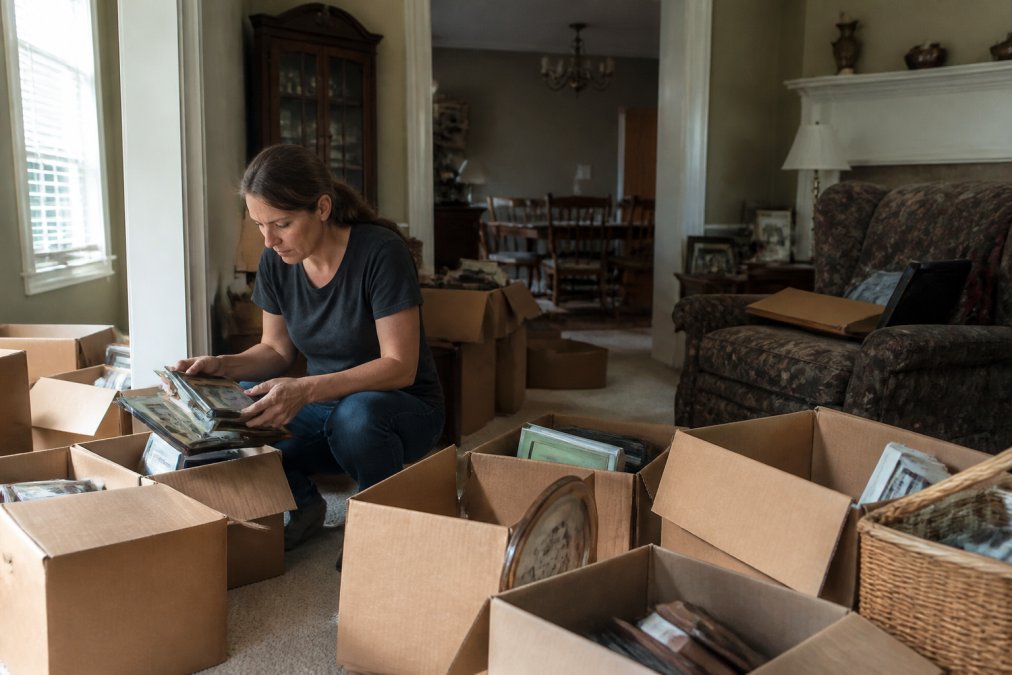
Clearing an inherited home isn't just a logistical challenge, it's an emotional one. You're sorting through a lifetime of someone else's possessions while grieving, which creates decision fatigue and unexpected emotional reactions.
Give yourself permission to take breaks. Don't try to clear the entire house in one weekend. Spread the work over several visits if possible and bring support: a trusted friend, family member, or therapist who understands what you're going through.
Some families find it helpful to create rituals that help with closure. Others take photos of important rooms before changes happen. These practices help people process the loss and feel more settled about the changes ahead.
Remember that keeping items "just in case" or because you feel obligated often prolongs the emotional process. It's okay to let things go. Donating items to charity, selling them, or recycling them honors their usefulness while freeing you from the burden of storing them indefinitely.
Selling an Inherited House As-Is: Your Options
Once the house is cleared and probate allows, you'll face a decision: keep the property, rent it, or sell it. For most out-of-state heirs, selling is the practical choice. You have several options, each with different timelines and outcomes.
The traditional route is listing with a real estate agent. You'll need to make repairs, stage the home, and wait for offers. This process typically takes 30-90 days or longer in slower markets. You'll pay realtor commissions (usually 5-6%), cover closing costs, and handle property taxes and insurance until closing.
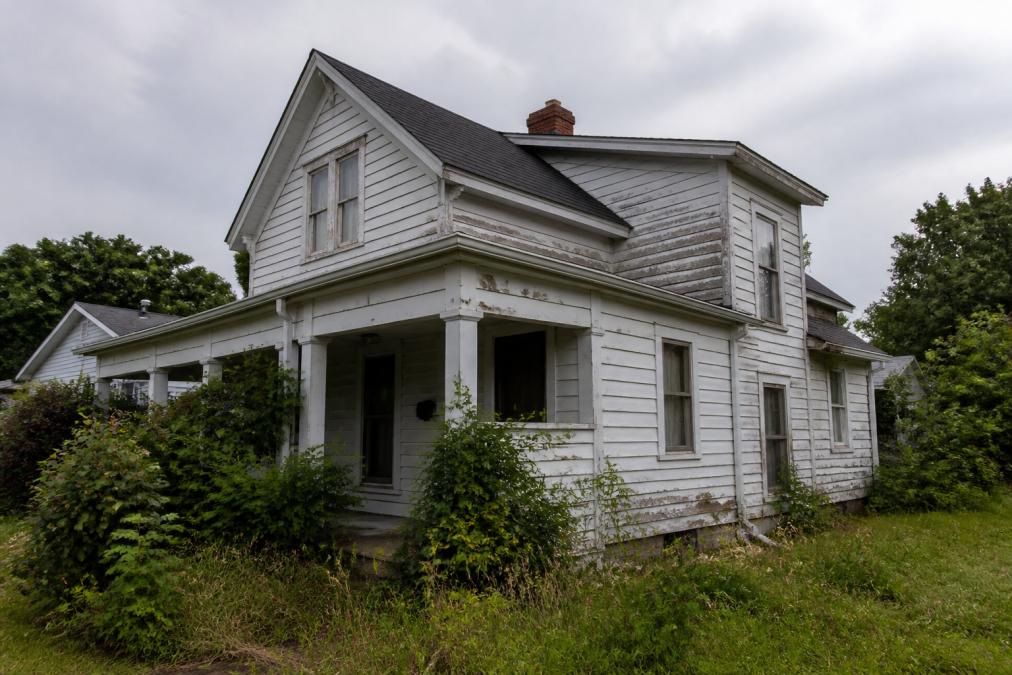
If the house needs significant repairs, the as-is sale route is often smarter. Companies like OneRoof Real Estate buy properties in any condition without requiring repairs or inspections. They provide fair all-cash offers within 24 hours and close in as little as 7 days. You avoid the cost and hassle of repairs, and you get certainty about timing and proceeds.
The trade-off is price. As-is buyers typically offer less than a traditionally listed home would fetch in perfect condition. But when you factor in repair costs, realtor commissions, holding costs, and the time investment, the net proceeds often come out similarly, with far less stress and faster closing.
OneRoof Real Estate has bought nearly 300 properties in the Wichita area and covers all commissions and closing costs. You choose the closing date, which matters when managing a property from out of state or coordinating with multiple heirs.
Compare your options: a traditional sale with repairs, an as-is cash sale, or keeping the property as a rental. For inherited properties, the speed and certainty of an as-is sale often wins.
Legal, Tax, and Financial Considerations
Inheriting property creates tax and legal obligations you need to understand. The executor must file the final income tax return for the deceased and handle estate tax filings if required. You'll also need to address property taxes, which continue accumulating on inherited real estate.
In Kansas, property taxes are the responsibility of whoever owns the property. If probate is ongoing and the property is still in the estate's name, taxes are paid from estate funds. Once you inherit, you become responsible for future taxes.
Capital gains tax is another consideration. When you inherit property, you receive a "stepped-up basis", the property's value is reset to fair market value on the date of death. If the deceased bought the house for $50,000 and it's worth $200,000 when they die, your basis is $200,000. If you sell it shortly after inheriting, you owe little to no capital gains tax.
Consult a tax professional before making major decisions about the inherited property. They can explain your specific situation and help you minimize tax liability.
If the property has a mortgage, check the mortgage documents and contact the lender to understand your obligations. Some mortgages have "due-on-sale" clauses that require full payment if ownership transfers.
For out-of-state heirs, consider hiring a probate attorney in Kansas to guide you through these requirements. They understand local laws and can ensure you're handling everything correctly.
Conclusion
Clearing an inherited home in Wichita combines logistics, emotion, and legal requirements. Property taxes continue, maintenance costs accumulate, and the longer the house sits, the more vulnerable it becomes. But rushing the process without a plan creates mistakes and family conflict.
Start with understanding your probate timeline and executor responsibilities. Distribute personal property fairly and document everything. Evaluate items for value before discarding. Consider professional help if the volume is overwhelming. Manage the emotional weight by giving yourself time and support. Then address the property itself: repair and list traditionally, or sell as-is for speed and certainty.
If you're selling, OneRoof Real Estate offers a straightforward path forward. We buy inherited properties in any condition, no repairs needed, no inspections required, no commissions or closing costs to pay. You get a fair all-cash offer within 24 hours and close on your timeline. Our team has helped hundreds of sellers navigate this exact situation, and we provide access to local resources like movers and attorneys to make the process seamless. SELL YOUR HOME!
Frequently Asked Questions
How do I start the process of clearing out an inherited home?
Begin by understanding your legal role as executor or beneficiary and confirming you have authority to access the property. Create a detailed household inventory of all items, separating sentimental pieces, valuables requiring appraisal, and items for donation or disposal. Contact the probate court to understand any restrictions on removing items before probate closes. Develop a timeline that accounts for probate requirements, which vary by state but typically take 6-12 months. Prioritize safety by identifying hazardous materials or structural issues that need professional handling before you begin sorting.
What are the tax implications of selling an inherited property?
Inherited properties receive a 'step-up in basis,' meaning the property's value is reset to its fair market value on the date of death. This significantly reduces capital gains tax when you sell, since you only owe taxes on appreciation after that date, not before. However, you may owe estate tax if the total estate exceeds federal thresholds (currently $13.61 million for 2024), and state inheritance taxes apply in some jurisdictions. Consult a tax professional or probate attorney to understand your specific liability and any deadlines for filing inheritance tax returns.
Can I sell an inherited house before the probate process is finished?
In most cases, you cannot legally sell an inherited property until the probate court grants you authority or closes the estate, unless you have a specific court order allowing early sale. Some states permit selling during probate with court approval if the sale benefits the estate. As executor, you may petition the court for permission to sell if the property is deteriorating, generating ongoing expenses, or requires immediate liquidation. Consult your probate attorney about your state's rules before listing or accepting offers, as selling without proper authority can create legal liability.
What should I do with sentimental items versus items to donate or discard?
Separate items into three categories: keep (family heirlooms, photos, meaningful objects), donate (furniture, clothing, household goods in good condition), and discard (broken items, hazardous materials, items no one wants). For sentimental pieces, photograph them and create a memory box or digital archive before letting them go. Contact local charities, donation centers, or estate sale companies to handle bulk donations. For items no one claims, hire junk removal services to haul away debris and broken furniture. This approach honors the deceased while making the clearing process manageable and emotionally sustainable.
This article was written using GrandRanker