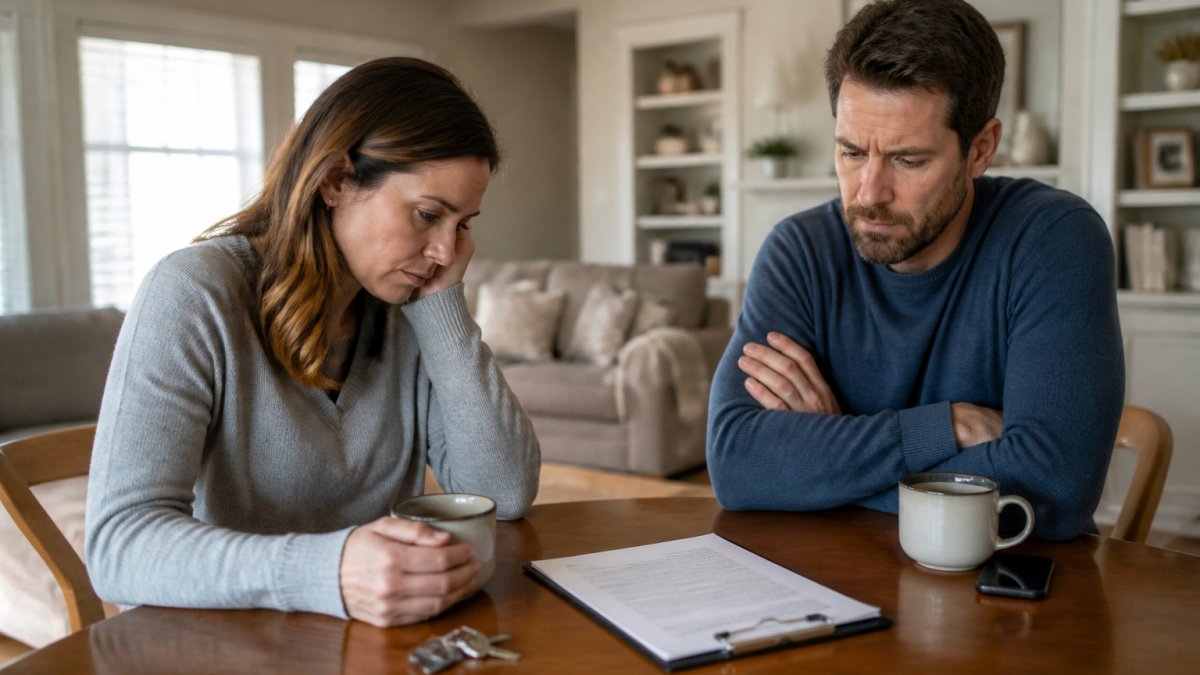
 how-to
Preparing Your House for Sale During Divorce: A Kansas How-To
Last Updated: October 30, 2026
Quick Summary
Preparing house for sale during divorce in Kansas starts with confirming who owns what, since Kansas is an equitable distribution state and courts divide marital property fairly rather than 50/50. Put every decision in writing, from the asking price to repair budgets, and use a co-owner protocol covering approvals, access, and expenses.
- Kansas treats all property as subject to division, including homes owned before marriage or received through inheritance.
- Pull the deed from the county register of deeds to confirm how title is held before listing.
- Agree on the asking price in writing because verbal agreements fall apart under stress.
- Repair costs typically come out of sale proceeds before the split, so neither spouse pays upfront.
- A cash sale requires no prep and can close in days, while a traditional listing closes 30-60 days after offer.
Table of Contents
- How Kansas Courts Divide the Marital Home
- Your Divorce Home Sale Checklist: Step by Step
- Who Pays for Repairs Before a Divorce Home Sale
- Selling a House As-Is During Divorce
- How Long to Sell a House During Divorce
- Co-Owner Protocols: Approvals, Access, and Expenses
- Get a Cash Offer on Your Kansas Divorce Home
- Frequently Asked Questions
How Kansas Courts Divide the Marital Home
Preparing house for sale during divorce in Kansas starts with one question: who actually owns what? Establishing clear ownership early prevents unnecessary disputes, allowing you to focus on the practical steps of preparing your home for a successful market entry.
Sellers in this situation often work through the legal and practical sides of the sale at the same time. The legal side decides ownership. The practical side decides how fast you can sell.
Kansas treats all property as subject to division, including homes owned before marriage or received through inheritance, according to Kansas divorce property division guidance. That surprises a lot of people.
Separate Property vs. Marital Property
Separate property is what you brought into the marriage or received as a gift or inheritance. Marital property is what you built or bought together during the marriage. The line between them blurs fast when mortgage payments, repairs, or refinancing used joint money.
Courts look at several factors:
- How long the marriage lasted
- Each spouse's income and earning power
- Who paid the mortgage and when
If you want to keep the home instead of selling, a buyout is one path.
Your Divorce Home Sale Checklist: Step by Step
A divorce home sale checklist keeps two people moving in the same direction when they agree on almost nothing. Work through these steps in order, and put every decision in writing so neither spouse has to rely on memory or trust.
- Confirm ownership and title. Pull the deed from the county register of deeds and check whose names are on it. Confirm how title is held (joint tenants, tenants in common, or sole owner) because that affects who must sign the listing and the closing documents.
- Get a fair market value estimate. Order an appraisal or a comparative market analysis from a local real estate agent. Ask for the comps in writing so both spouses review the same numbers.
- Agree on the asking price in writing. Put the number and any floor price in your settlement agreement or a signed side letter. Verbal agreements fall apart under stress.
- Set a repair budget and split. Decide who pays for what before any work starts, and cap the total spend. A written cap prevents one spouse from authorizing upgrades the other will not fund.
- Clear the house. Declutter, remove personal items, and divide belongings. Do this before listing photos, not after.
- Stage and photograph. Light, clean rooms photograph better and sell faster. Agree in advance who attends the photo shoot.
- List or request a cash offer. Pick the path that fits your timeline and your tolerance for showings.
- Review the settlement and closing documents. Have your attorney read everything before you sign, including the closing disclosure.
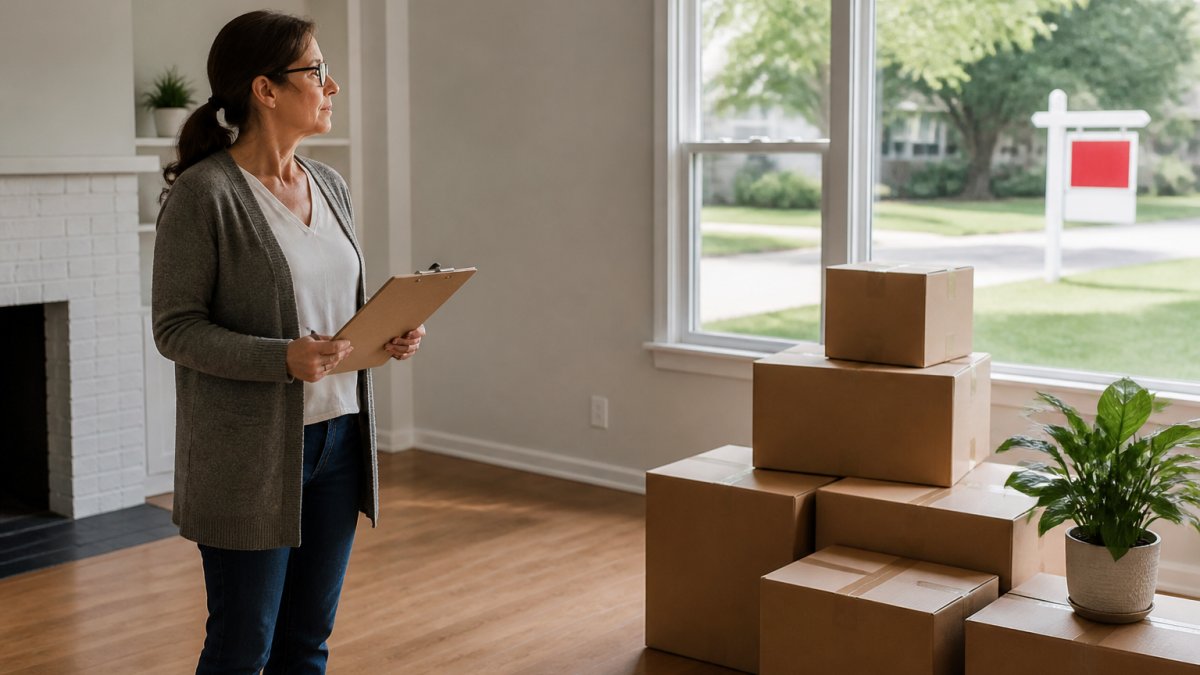
Room-by-Room Preparation Checklist for a Jointly Owned Home
Most general home-preparation guides assume one owner makes every call. In a divorce sale, two owners share the work and the decisions. Use this room-by-room list to divide tasks and to document what each spouse approved.
Whole house
- Wash windows inside and out, and replace burned-out bulbs so rooms photograph bright.
- Touch up scuffed paint in neutral colors; skip bold accent walls that narrow buyer appeal.
- Service the HVAC and replace the filter; buyers notice temperature and smell before they notice finishes.
Kitchen
- Clear counters of small appliances, papers, and personal items.
- Deep-clean the oven, range hood, and refrigerator; buyers open appliances during showings.
- Re-caulk around the sink and replace stained grout where visible.
Bathrooms
- Scrub grout and re-caulk tubs and showers.
- Replace worn shower curtains and toilet seats, inexpensive swaps that read as "maintained."
- Store medications and personal toiletries out of sight before every showing.
Bedrooms
- Remove or neatly store personal photos and keepsakes; buyers struggle to see a room as theirs when family photos dominate.
- Repair closet doors and organize closets so storage looks adequate.
Living areas and entry
- Clear clutter from the entry so the first impression is open space.
- Remove excess furniture to make rooms look larger; consider a short-term storage unit if both spouses' belongings are still in the home.
Exterior
- Trim shrubs, edge walkways, and clear gutters.
- Power-wash the driveway and siding if climate and condition allow.
- Repair or replace a broken mailbox, house numbers, and porch light, cheap curb-appeal fixes buyers notice immediately.
Photography prep
- Remove cars from the driveway, put trash cans out of frame, and open blinds before the photographer arrives.
- Confirm in writing which spouse will be present and that personal documents, mail, and valuables are secured.
A common mistake is skipping step three. Verbal agreements fall apart. Get the price and the split in writing, and keep a shared folder with receipts, approvals, and the signed checklist so both spouses can see the same record.
Who Pays for Repairs Before a Divorce Home Sale
Repair costs are one of the most common sources of conflict when preparing house for sale during divorce in Kansas.
A practical approach is to treat repairs as a shared investment. The cost comes out of sale proceeds before the split.
Watch out: one spouse sometimes pays for repairs alone and then fights for reimbursement later. Document every expense with receipts and a written agreement.
Taxes matter here too. How to Handle Taxes When Selling a Marital Home in Kansas explains what to expect. Capital gains rules apply to the sale of a marital home (Topic no. 701, Sale of your home).
Selling a House As-Is During Divorce
Selling a house as-is during divorce means you skip repairs and disclose the home's condition to buyers. You trade a higher price for speed and certainty.
As-is works best when:
- The home needs major repairs you cannot fund
- You and your spouse cannot agree on a renovation budget
- You need to close fast to finalize the settlement
As-is does not mean hiding problems. Kansas sellers still must disclose known defects. Skipping repairs is a pricing decision, not a legal shield.
There is a real debate about whether to fix up a home or sell it as-is. The Pros and Cons of Skipping Repairs Before Selling breaks down both sides.
How Long to Sell a House During Divorce
Sale timeline is often the biggest stress point. A cash sale can close quickly, often within days, with the seller choosing the closing date.
The timeline depends on your path:
- Traditional listing: prep, showings, negotiation, inspection, appraisal, financing, closing
- Cash sale: offer, short walkthrough, title work, closing
If both spouses need to sign, add time for signatures and attorney review. Disagreements stretch timelines more than market conditions do.
| Path | Typical Prep Time | Closing Speed | Best For |
|---|---|---|---|
| Traditional listing | Weeks of repairs and staging | 30-60 days after offer | Homes in good condition |
| Cash sale | None | Days | Fast, as-is sales |
Co-Owner Protocols: Approvals, Access, and Expenses
Two owners and one house is a recipe for gridlock. A written co-owner protocol prevents most fights. Put it in your settlement agreement or a separate signed document, and treat it as the operating manual for the sale until closing.
What the Protocol Should Cover
Approvals. Name who signs off on the listing agreement, the asking price, price reductions, repair spending above a set dollar threshold, and acceptance of any offer.
Access. Decide who holds keys, who opens the home for showings and inspections, and how much notice the other spouse receives.
Expenses. List who pays the mortgage, property taxes, insurance, utilities, lawn care, and any repair bills during the sale period.
Disagreements. Name a mediator or a tiebreaker before a dispute starts.
Safety, Privacy, and Occupancy Planning During Separation
When one spouse has moved out or the separation is tense, the sale itself becomes a privacy and safety issue. Plan for it deliberately.
- Occupancy. Confirm in writing who is living in the home during the listing period and who is responsible for keeping it showing-ready. If occupancy changes, update the protocol.
- Locks and access. Change locks or rekey if occupancy changes, and give the listing agent a controlled way in. Do not share codes or keys directly between spouses without documenting it.
- Belongings. Secure jewelry, firearms, financial documents, and irreplaceable items before showings begin. Buyers and their agents walk through closets and storage areas.
A common mistake is leaving access undefined. Unannounced visits destroy trust and slow the sale. The protocol does not need to be long, one page covering approvals, access, expenses, disagreements, occupancy, and privacy is enough to keep the sale moving.
Get a Cash Offer on Your Kansas Divorce Home
A cash offer removes the repair debate, the showing schedule, and the financing risk. OneRoof Real Estate buys homes in any condition across Wichita and the surrounding counties. We have bought almost 300 houses in the Wichita area, and we have over 500 closings.
Here is what that looks like in practice:
- Fair, all-cash offers within 24 hours
- No repairs, no cleaning, no inspections required
- We cover commissions, closing costs, and fees
If both owners are not on the same page, we can still talk through the process. Ready to move on? Request a cash offer and choose your closing date.
Frequently Asked Questions
Can one spouse sell the house during a divorce in Kansas?
Not without the other spouse's agreement or a court order if both names are on the deed. Kansas is an equitable distribution state, so the home is part of the marital estate until a judge divides it or the spouses sign a settlement agreement. If one spouse refuses to cooperate, the other can ask the court to order a sale. Talk to a Kansas family law attorney before listing unilaterally.
Do both spouses have to agree to sell a house during a Kansas divorce?
Yes, in practice. A listing contract and sale contract usually require every owner on the deed to sign. If both spouses are on title, both must sign the listing agreement and the closing documents. One exception is a court-ordered sale, where a judge can authorize the transaction. Getting a written agreement early, covering price, repairs, and closing costs, prevents a stalled sale.
How are home sale proceeds divided in a Kansas divorce?
Proceeds go first to the mortgage payoff, liens, and closing costs. What remains is marital property and is divided under Kansas equitable distribution rules, which consider the length of the marriage, each spouse's contributions, and each spouse's financial situation. Courts aim for fairness, not a strict 50/50 split. A settlement agreement can set a specific split. Review the numbers with your attorney before signing.
Can you sell a house as-is during a divorce?
Yes. An as-is sale skips repairs and often skips the inspection contingency, which shortens the timeline and removes repair negotiations between spouses. Buyers who purchase as-is, including cash buyers, price in the condition of the home. This option fits when the house needs major work, when spouses disagree about spending money on repairs, or when speed matters more than top dollar.
Divorce is stressful enough without a house dragging it out. If you need to sell fast and skip the repairs, OneRoof Real Estate can make a fair cash offer within 24 hours, cover the closing costs, and let you pick the closing date. We have helped hundreds of sellers in the Wichita area move on. Get started with OneRoof Real Estate and close on your schedule.