 how-to
Managing Inherited Property Maintenance in Wichita
Table of Contents
- Initial Property Assessment and Inspection for Inherited Real Estate
- Kansas Probate Property Maintenance Requirements and Your Legal Obligations
- Addressing Deferred Maintenance and Structural Repairs
- Cost of Property Maintenance for Vacant Homes
- Selling an Inherited House As-Is in Wichita
- Managing Utilities, Taxes, and Financial Reporting
- Emergency Maintenance Protocols for Vacant Properties
- Frequently Asked Questions
Last Updated: September 20, 2026
Initial Property Assessment and Inspection for Inherited Real Estate
Inheriting a property creates immediate responsibilities. Understanding what you own and its condition prevents costly surprises later.
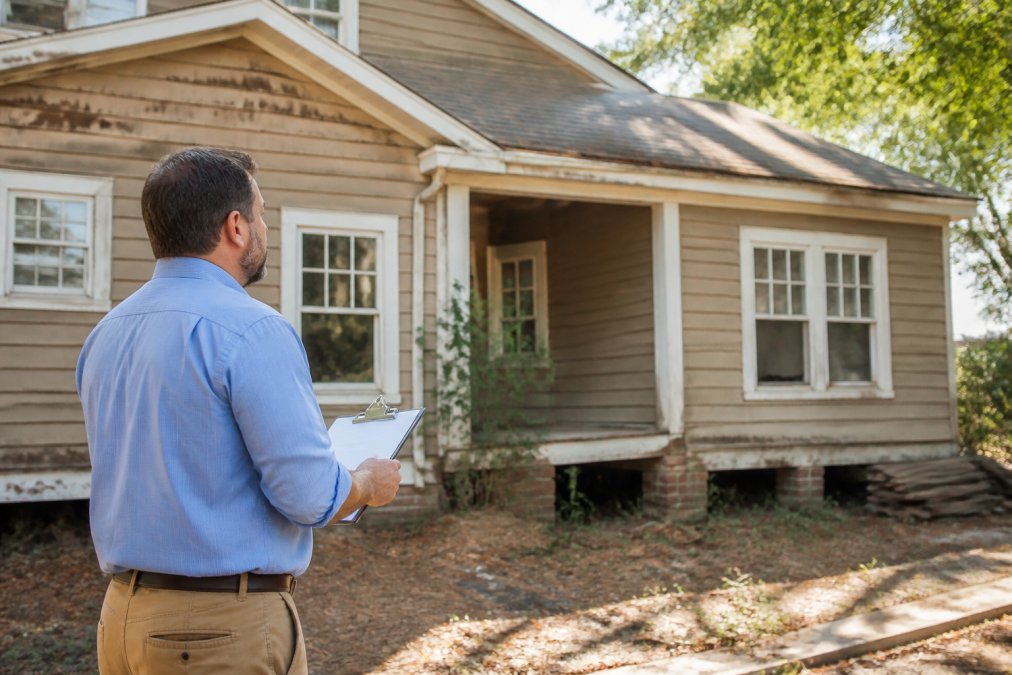
Walk through the entire property and document everything with photos and videos of each room, exterior, roof, foundation, and visible damage. This baseline record is critical for insurance claims and future decisions.
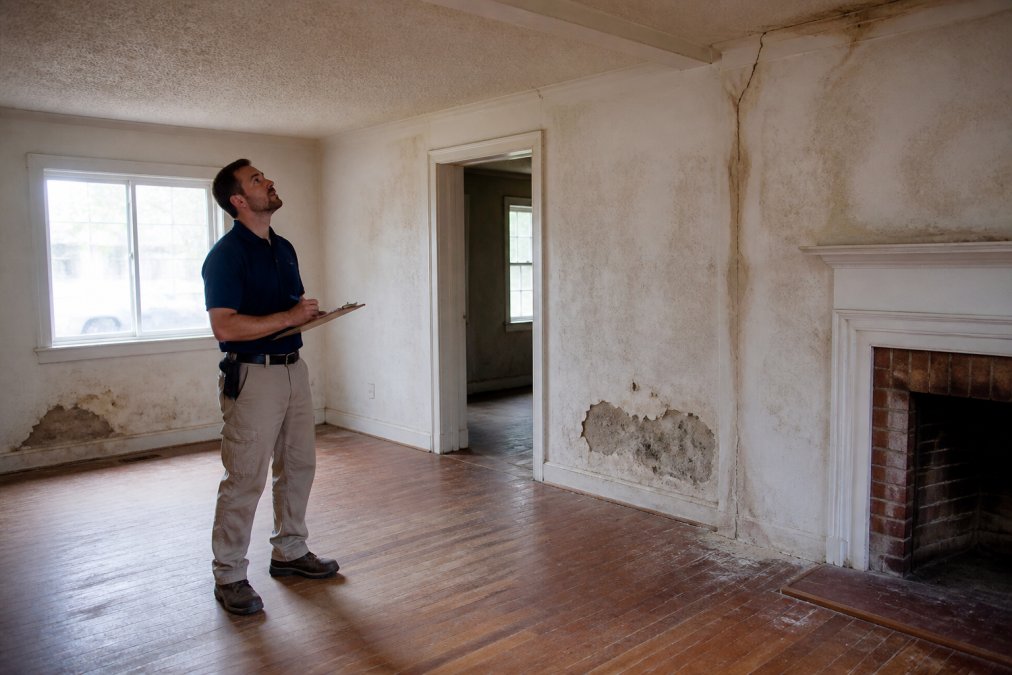
What to Look for During Your First Walk-Through
Check systematically for water stains, foundation cracks, pest damage, mold, and structural issues. Test all utilities. Create a dated written list organized by room with photos. This inventory is critical for sales and insurance claims.
Hiring a Professional Home Inspector
A professional home inspection reveals structural, electrical, plumbing, HVAC, and roofing issues. Request a full structural assessment with findings prioritized by severity to guide repair decisions.
Kansas Probate Property Maintenance Requirements and Your Legal Obligations
Kansas probate law requires executors to preserve estate assets by keeping the property safe and preventing deterioration. Neglecting inherited property maintenance results in code violations, safety hazards, and liability.
Executor Responsibilities During Estate Settlement
As executor, you're legally responsible for maintaining utilities, securing the property, addressing safety hazards, and keeping insurance active throughout probate. Perform basic maintenance including winterization and roof clearing to prevent deterioration.
Code Compliance and Local Regulations
Sedgwick County and Wichita enforce building codes. Common violations include overgrown yards, broken windows, and boarded doors. Check with the city for open violations and address them quickly to avoid penalties.
Addressing Deferred Maintenance and Structural Repairs
Deferred maintenance compounds quickly: a roof leak becomes mold becomes structural damage. Use a triage system, Safety first, then Structural Integrity, then Marketability, to avoid wasting money on cosmetic repairs while ignoring hazards.
The Three-Tier Deferred Maintenance Triage System
Tier 1: Immediate Safety Hazards (Fix Within 7-14 Days)
These repairs prevent injury or death and must be addressed before the property can be occupied or shown:
- Electrical hazards: Exposed wires, burned-out panels, sparking outlets. Licensed electrician inspection: $150-$300.
- Gas leaks: Any smell requires evacuation and utility inspection (free). Non-functional shutoffs are code violations.
- Structural failures: Missing stairs, sagging floors, foundation cracks wider than 1/4 inch.
- Mold or asbestos: Visible mold requires professional assessment ($2,000-$6,000 remediation). Asbestos abatement ($5,000-$15,000) is required before renovation.
- Broken locks or unsecured entry: Board windows immediately to prevent squatter entry.
- Non-functional water shutoff: Install accessible shutoff ($300-$500) for emergency response.
Tier 2: Structural Deterioration (Fix Within 30-90 Days)
These repairs prevent further damage and protect the property's value. They don't create immediate danger but will worsen quickly and become more expensive if ignored:
- Active roof leaks: Temporary patch ($200-$500); full replacement ($8,000-$15,000). Repair within 60 days to prevent mold and rot.
- Burst or frozen pipes: Repair costs $500-$2,000. Winterization prevents this.
- Foundation cracks or water intrusion: Minor sealing ($500-$1,500); major work ($10,000-$50,000). Get structural engineer assessment ($400-$800).
- Failing HVAC in winter: Repair ($500-$2,000); replacement ($5,000-$10,000). Vacant properties need heat to prevent pipe freezes.
- Termite or pest infestations: Inspection ($100-$300); treatment ($500-$2,000); structural repairs can exceed $10,000.
Tier 3: Cosmetic or Optional Repairs (Defer or Skip)
These repairs improve appearance and marketability but don't affect safety or structural integrity. Skip them if you're selling as-is or if the cost exceeds 20% of the property's after-repair value:
- Interior and exterior paint, flooring, kitchen/bathroom updates, landscaping, appliance replacement, and deck/fence repairs (unless safety hazards or code violations exist)
The Financial Decision: Repair vs. Sell As-Is
Before spending on Tier 2 repairs, calculate ROI: if repair cost exceeds 25-30% of the property value gain, selling as-is is usually smarter. Example: A $150,000 property needing $50,000 in repairs might sell for $190,000 after repairs (net $124,800 after costs), but selling as-is for $150,000 nets $138,000 and avoids 6 months of management.
Managing Contractors and Repair Estimates
For any significant repair, get three written estimates. Compare scope, timeline, price, and warranty. The lowest estimate isn't always best.
Verify that contractors are licensed and insured in Kansas. The Kansas Department of Labor maintains a database of licensed contractors. Ask for proof of workers' compensation insurance; if a worker is injured on the property, you may be liable if the contractor is uninsured.
For major repairs (roof, foundation, HVAC), hire a licensed contractor with at least 5 years of experience and references from similar projects. Check online reviews on Google and the Better Business Bureau, but weight recent reviews more heavily. Consistent oversight of these systems is particularly vital for multi-unit dwellings, where proactive commercial HVAC maintenance prevents the cascading costs of emergency service calls.
Document all repairs in writing. Keep signed contracts, invoices, and receipts. These records are important for:
- Tax deductions (maintenance costs may be deductible from estate income)
- Future property sales (disclosure of repairs completed)
- Insurance claims (if damage occurs after repair)
- Warranty claims (if work fails within the warranty period)
For emergency repairs (burst pipes, roof leaks), prioritize speed over getting three estimates. Call a licensed contractor immediately and get a written estimate after the emergency is stabilized. You can shop for better pricing on follow-up work once the immediate hazard is contained.
Cost of Property Maintenance for Vacant Homes
Vacant properties cost significantly more to maintain. Utilities, insurance, and accelerated maintenance drain the estate quickly without strategic management.
Winterization and Seasonal Upkeep
In winter, vacant homes face severe risks: frozen pipes, snow/ice accumulation, and water damage. Winterization is essential, the difference between $500 prevention and $10,000+ emergency repair.
Winterization checklist (complete by November 1):
- Set thermostats to 55-60°F minimum to prevent frozen pipes ($5,000-$20,000 damage).
- Drain exterior faucets and water heater (if vacant 60+ days).
- Insulate exposed pipes in unheated areas.
- Clear gutters in October and November to prevent ice dams.
- Inspect roof for leaks; trim tree branches 6+ feet from roofline.
- Test sump pump; install battery backup or generator to prevent flooding.
Spring and summer maintenance (April-September):
- Mow grass every 2-3 weeks (code violation if over 8 inches); hire lawn service.
- Trim trees and bushes to prevent pest entry and squatter hiding spots.
- Remove yard debris monthly to prevent pests and fire hazards.
- Inspect roof and gutters monthly for leaks and damage.
- Check basement for water and pest activity; test doors and windows for security.
Utility Management and Vacancy Expenses
Keeping utilities on is usually necessary for security systems, preventing frozen pipes, and deterring squatters. Typical monthly costs for utilities can vary. Many utilities offer lower rates for vacant or probate properties, ask about vacancy programs.
Property taxes accrue during probate and are due in December and May. Missing payments results in penalties; unpaid taxes lead to foreclosure after 3 years. Insurance for vacant properties can cost more.
Emergency Maintenance Protocols for Vacant Properties
Establish a local emergency contact person (neighbor, family member, or property manager) who can access the property within 1-2 hours. Create and post an emergency contact list inside the property with your contact, local emergency contact, licensed plumber/electrician/roofer, police non-emergency line, utility emergency lines, and insurance information.
Selling an Inherited House As-Is in Wichita
Many heirs choose to sell rather than manage inherited property maintenance. This is a practical choice, especially for out-of-state heirs or properties requiring extensive repairs.
When Repairs Don't Make Financial Sense
Calculate the cost of repairs against the property's after-repair value. If repairs exceed 30% of the property value, selling as-is is usually smarter.
Understanding Your Sale Options
Traditional listing requires repairs, inspections, and showings. This process can take several months and involves commissions.
Managing Utilities, Taxes, and Financial Reporting
Inherited property creates ongoing financial obligations. Utilities, taxes, insurance, and maintenance costs accumulate during probate. These expenses reduce the estate's value and must be tracked carefully.
Tax Basis Step-Up and Maintenance Deductions
When you inherit property, the tax basis steps up to the property's fair market value on the date of death. This is a significant tax advantage. If your parent bought the home for $80,000 and it's worth $200,000 when inherited, your cost basis is $200,000.
Emergency Maintenance Protocols for Vacant Properties
Vacant properties face unexpected emergencies. Pipes burst. Roofs leak. Squatters break in. Having a protocol prevents costly delays.
Frequently Asked Questions
What are the immediate maintenance priorities for an inherited home in Kansas?
Start with a full inspection to identify safety hazards, structural damage, and code violations. Prioritize roof leaks, foundation issues, plumbing problems, and electrical hazards, these prevent further property damage and liability. Address winterization if the home will remain vacant through cold months. Then assess deferred maintenance that affects the property's condition and marketability. Document everything for probate and potential insurance claims.
Is it better to repair an inherited house or sell it as-is?
Selling as-is often makes financial sense when repairs are extensive or the property requires significant capital investment. Calculate repair costs against the time, effort, and carrying costs of maintaining a vacant home. If you're an out-of-state heir managing probate, as-is sales eliminate the burden of coordinating contractors and handling ongoing maintenance. Consider your timeline, financial resources, and whether you want to keep the property as a rental or investment.
What legal responsibilities does an executor have regarding property maintenance during probate?
As executor, you must maintain the property in reasonable condition to preserve its value for the estate. This includes preventing deterioration, managing utilities, addressing safety hazards, and complying with local code requirements. You cannot neglect the property, but you also aren't required to make improvements. Document all maintenance expenses for the estate accounting. Consult with the probate court or an attorney if major repairs are needed, some require court approval.
How much does it typically cost to maintain a vacant inherited home?
Costs vary widely based on the property's condition and local market. Expect monthly expenses for utilities, property taxes, insurance, and basic maintenance like lawn care and debris removal. Winterization can add to expenses depending on climate needs. Emergency repairs, pest control, and contractor visits add unpredictable expenses. Carrying costs accumulate quickly, making prolonged vacancy expensive. Getting a professional assessment helps you budget realistically and decide whether selling quickly makes financial sense.