 ultimate-guide
Probate Real Estate Alternatives in Kansas
Table of Contents
- Why Probate Real Estate Sales Take So Long
- Transfer on Death Deed: A Kansas Alternative
- Small Estate Affidavit and Kansas Requirements
- Joint Tenancy with Right of Survivorship
- Revocable Living Trust for Probate Avoidance
- Selling Inherited Property as-Is to Cash Buyers
- Comparison of Probate Real Estate Alternatives
- Conclusion
Last Updated: August 12, 2026
Why Probate Real Estate Sales Take So Long
Traditional probate real estate sales in Kansas follow a court-supervised process that can stretch months or even years. The executor or administrator must inventory the property, obtain court approval before listing, manage the sale through standard real estate channels, and then wait for probate court to authorize the final transfer. Each step requires documentation, filing fees, and often attorney involvement.
The delays compound quickly. Court dockets back up. Appraisals take weeks. Inspections reveal problems that trigger renegotiations. Financing contingencies fall through. Meanwhile, the property sits vacant, property taxes accrue, insurance premiums pile up, and the heirs wait to receive their inheritance. For out-of-state heirs managing a deceased relative's estate from a distance, the burden becomes especially heavy.
This is where probate real estate alternatives become attractive. Kansas law actually provides several pathways to transfer real property without going through the full probate court process. Some strategies work best during the property owner's lifetime as part of estate planning. Others apply after death, giving executors and heirs faster options for liquidating inherited property.
The key insight: you don't have to accept the traditional timeline. Depending on your situation, whether the estate is small, the property is in poor condition, or you simply need cash quickly, there's likely a faster route available.
Transfer on Death Deed: A Kansas Alternative
A transfer on death deed (TOD deed) is a legal instrument that transfers real property directly to a named beneficiary upon the owner's death, completely bypassing probate court. The owner retains full control and use of the property during their lifetime and can revoke or modify the deed at any time. Only after death does the property automatically transfer to the designated beneficiary.
Kansas statutes specifically authorize TOD deeds for real estate. The process is straightforward: the owner completes the deed, names one or more beneficiaries, has it notarized, and records it with the county Register of Deeds. No court involvement is needed. When the owner dies, the beneficiary presents a certified death certificate and the recorded TOD deed to take title.
The advantages are substantial. A TOD deed avoids probate entirely for that specific property, saving time and court costs. The owner maintains absolute control during their lifetime, they can sell the property, refinance it, or change the beneficiary at any time. The process costs far less than establishing a trust and requires minimal ongoing maintenance.
However, TOD deeds have limits. They don't protect the property from creditors' claims against the estate. If the deceased owed significant debts, creditors may still have claims against the property transferred via TOD deed. Additionally, a TOD deed applies only to real estate, it doesn't transfer bank accounts, vehicles, or other assets. Heirs managing complex estates with multiple asset types often need additional planning tools.

For property owners in Kansas who want a simple, low-cost way to ensure their real estate passes directly to a specific person without probate, a TOD deed is highly effective. Many use it in combination with other strategies to cover different asset types.
Small Estate Affidavit and Kansas Requirements
Kansas law allows executors and heirs to use a simplified process called a small estate affidavit for estates that don't exceed $75,000 in total personal property value. Importantly, real estate is excluded from this $75,000 limit, the affidavit applies only to personal property like bank accounts, vehicles, and household items.
The process is genuinely simple. The executor or heir obtains a form from the Kansas Judicial Council, completes it with the deceased's information and a list of assets, and presents it to banks, insurance companies, or other asset holders. The institution then releases the funds or property directly to the heir without requiring formal probate court proceedings.
What makes this option attractive is speed and cost. There's no court filing fee, no judge approval needed, and no lengthy waiting period. Many institutions process small estate affidavits within days. For families dealing with modest estates and minimal assets, this can mean the difference between resolving the estate in weeks versus months.
The catch: this tool works only for personal property under $75,000. If the estate includes real estate, even a modest home, you cannot use the small estate affidavit for that property. Real estate requires either a TOD deed established before death, joint tenancy with right of survivorship, a revocable living trust, or full probate. Additionally, if there are disputes among heirs or significant debts, the small estate affidavit may not be appropriate.
For heirs managing an estate with real property, the small estate affidavit typically handles only the personal property side of the equation. The real estate still requires a separate transfer mechanism.
Joint Tenancy with Right of Survivorship
Joint tenancy with right of survivorship is a form of property ownership where two or more people hold equal shares, and when one owner dies, their share automatically passes to the surviving owner(s) without any court process. This is particularly common for married couples and long-term partners.
The mechanics are straightforward. The property deed explicitly states "joint tenants with right of survivorship" rather than "tenants in common." When one joint tenant dies, the surviving tenant(s) simply present a death certificate to the county Register of Deeds, and the title automatically transfers. No probate, no court approval, no delays.
The benefits are real. Automatic transfer of ownership means the surviving owner can access and manage the property immediately. There's no waiting for probate court, no executor involvement, and no court costs. For couples who want to ensure the surviving spouse inherits the home without delay, joint tenancy is straightforward and effective.
However, joint tenancy creates its own complications. Each joint tenant must hold an equal share, you cannot designate one owner with 60% and another with 40%. If you want your share to go to someone other than your co-owner (such as your adult child), joint tenancy won't work. Additionally, if the deed doesn't explicitly state "joint tenancy with right of survivorship," it may default to "tenancy in common," which does require probate. This distinction has caught many families off guard.
Joint tenancy also creates potential tax and liability issues. If one joint tenant becomes liable in a lawsuit, creditors may be able to attach the property. For unmarried co-owners, joint tenancy can create unintended consequences if the relationship ends.
Revocable Living Trust for Probate Avoidance
A revocable living trust is a legal entity that holds assets during the grantor's lifetime and distributes them according to the grantor's instructions after death, all without probate court involvement. The grantor (the person creating the trust) typically serves as the initial trustee, maintaining complete control over the trust assets. Upon the grantor's death, a successor trustee named in the trust document takes over and distributes assets to the beneficiaries.
The power of a revocable living trust lies in its comprehensiveness. Unlike a TOD deed (which covers only real estate) or joint tenancy (which requires equal ownership), a revocable living trust can hold real estate, bank accounts, investment accounts, vehicles, and personal property, essentially any asset. Everything held in the trust bypasses probate.
Creating a trust requires transferring ownership of assets into the trust's name. For real estate, this means recording a new deed showing the trust as the owner. For bank and investment accounts, it means updating the account registration. This "funding" process takes effort and attention to detail, but once complete, the trust operates seamlessly during the grantor's lifetime and distributes efficiently after death.
The advantages extend beyond probate avoidance. A revocable living trust provides privacy, unlike a will, which becomes a public court document, a trust remains private. It allows for detailed instructions about how and when beneficiaries receive distributions. It can include provisions for managing assets if the grantor becomes incapacitated. And it works across state lines, which is especially valuable for families with property in multiple states.
The trade-off is complexity and upfront cost. Creating a comprehensive revocable living trust typically requires working with an estate planning attorney, which costs more than a simple will. The trust must be properly funded with all relevant assets, or unfunded assets still go through probate. And the trust requires some ongoing maintenance, if you acquire new property, it needs to be titled in the trust's name.
For families with multiple assets, out-of-state property, or those who want comprehensive control over how their estate is distributed, a revocable living trust is often the most flexible solution.
Selling Inherited Property as-Is to Cash Buyers
When an inherited property requires significant repairs, sits vacant for extended periods, or the heirs simply want immediate liquidity without the burden of managing a rental or listing process, selling to a cash buyer offers a distinctly different path than traditional real estate sales.
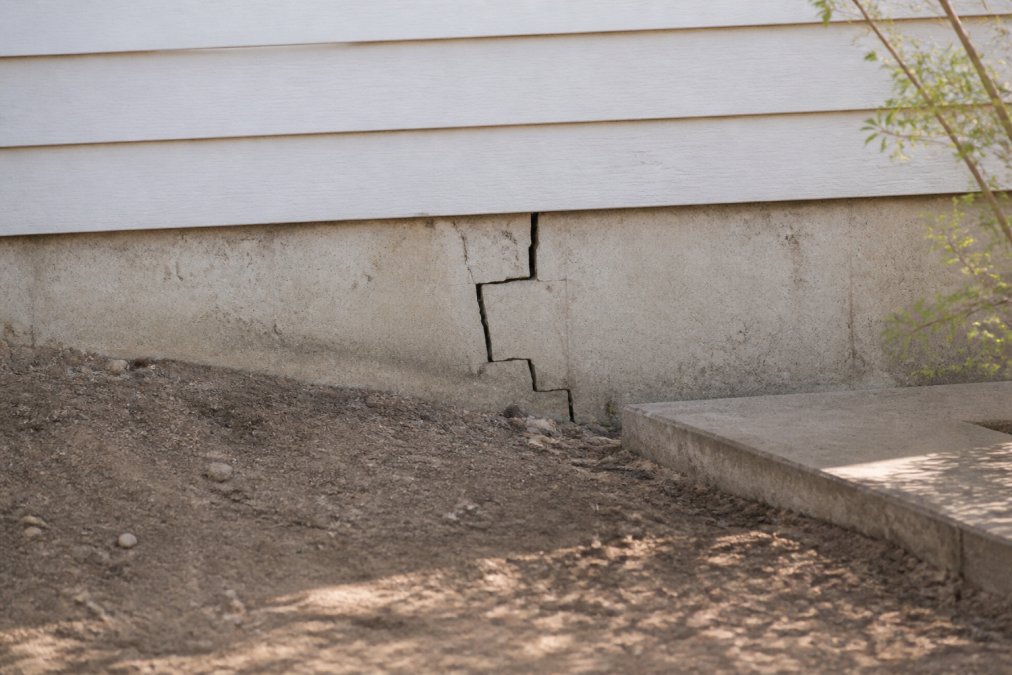
Cash buyers purchase properties in their current condition, foundation issues, code violations, deferred maintenance, fire damage, or any other problem. They don't require inspections, appraisals, or financing contingencies. They close quickly, often within 7 days. And they cover all closing costs and commissions, meaning the seller receives a net cash payment without surprises at closing.
For heirs managing probate real estate, this model eliminates several pain points. There's no need to coordinate repairs or cleaning with out-of-state family members. There's no waiting for traditional buyers to secure financing or for appraisals to come back. There's no risk of a deal falling through due to inspection issues or financing problems. The executor or heir receives a firm offer, chooses the closing date that works for their situation, and moves forward with certainty.
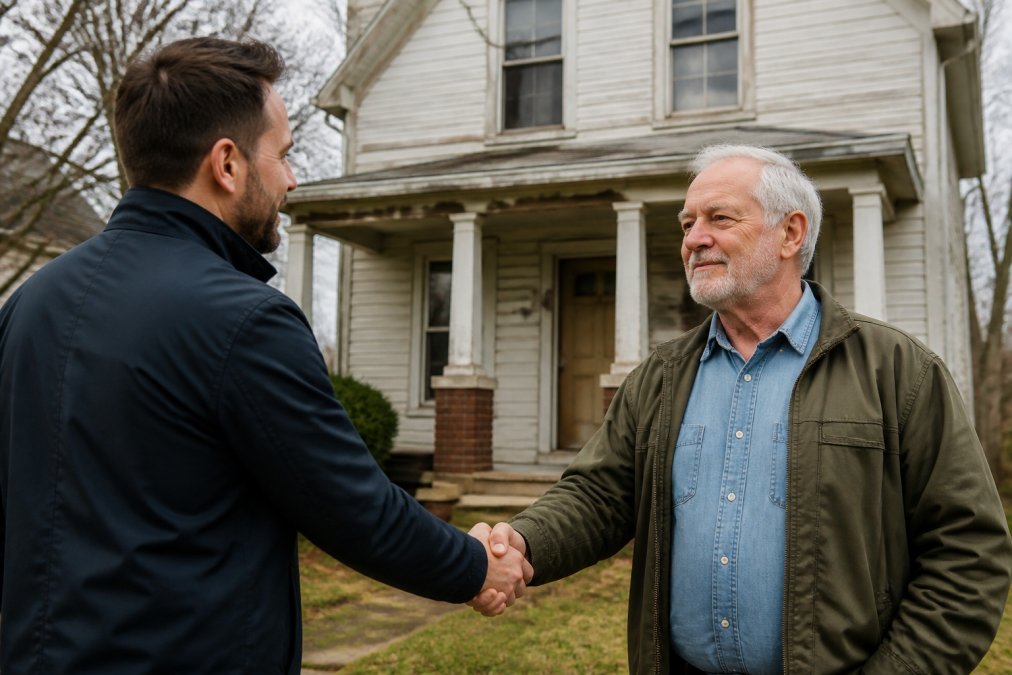
OneRoof Real Estate, which operates in Wichita and 27 other states, exemplifies this model. The company purchases inherited properties, rental properties with problem tenants, homes with code violations, and properties in any condition. Offers come within 24 hours, closing happens in 7 days, and the seller chooses the date. OneRoof has completed almost 300 transactions in the Wichita area alone, helping heirs and distressed homeowners convert inherited or unwanted property into immediate cash.
The trade-off is straightforward: cash buyers typically offer below-market prices. If the property is in excellent condition and maximizing sale price is the priority, a traditional listing might yield more money. But if speed, certainty, and avoiding the burden of repairs and showings matter more than squeezing out the last dollar, a cash buyer delivers on those priorities.
The key question for heirs is simple: what matters most? If you need to liquidate quickly, avoid managing a rental property, or don't want to invest in repairs, selling as-is to a cash buyer often makes financial and emotional sense, even at a discount to market value.
Comparison of Probate Real Estate Alternatives
| Method | Timeline | Cost | Probate Avoided | Best For | Key Limitation |
|---|---|---|---|---|---|
| Transfer on Death Deed | Immediate after death | Low (recording fees only) | Yes | Single property, simple estate | Only real estate; creditor claims possible |
| Small Estate Affidavit | Days to weeks | Minimal | Yes (personal property only) | Modest estates under $75K | Personal property only; no real estate |
| Joint Tenancy with Right of Survivorship | Immediate after death | Low (deed recording) | Yes | Couples, equal ownership | Must be equal shares; unintended consequences if relationship ends |
| Revocable Living Trust | Immediate after death | Moderate to high (attorney fees) | Yes (all assets in trust) | Complex estates, multiple assets, out-of-state property | Requires proper funding; upfront complexity |
| Selling as-Is to Cash Buyer | 7 days typical | None (covered by buyer) | Depends on other strategies | Inherited property needing repairs, quick liquidity | Below-market offer price |
Each method serves different situations. A property owner with a single home and no other assets might choose a TOD deed. A couple wanting simplicity might use joint tenancy. An individual with multiple properties across states might establish a revocable living trust. An executor managing an inherited property that needs work might sell to a cash buyer to avoid months of repairs and showings.
The best choice depends on your specific situation: the size and complexity of the estate, whether planning happens before or after death, whether the goal is to transfer to heirs or liquidate quickly, and whether you want professional guidance or prefer a DIY approach.
Conclusion
Inheriting property in Kansas doesn't mean accepting the traditional probate timeline. Whether you're an out-of-state heir managing a deceased relative's estate, an executor handling multiple properties, or a homeowner planning ahead, Kansas law provides several faster alternatives to court-supervised probate sales.
If you're facing an inherited property that needs repairs, sits vacant, or simply requires immediate conversion to cash, OneRoof Real Estate offers a direct solution. We buy properties in any condition, foundation issues, code violations, rental properties with problem tenants, and close in 7 days with no repairs, no inspections, and no commissions. Our team has completed almost 300 transactions in the Wichita area, and we cover all closing costs so you receive the full net offer. Get started with OneRoof Real Estate and convert your inherited property into immediate cash without the burden of repairs or traditional listing delays.
Frequently Asked Questions
How can I avoid probate for real estate in Kansas?
Several strategies bypass probate for real estate. A transfer on death deed lets you name a beneficiary who receives the property automatically upon your death. A revocable living trust transfers property directly to heirs without court involvement. Joint tenancy with right of survivorship passes the property to the surviving owner immediately. Each method has different tax and control implications, so consult an estate planning attorney to determine which fits your situation.
What is a small estate affidavit and does it apply to real estate in Kansas?
A small estate affidavit is a simplified process for estates with personal property under $75,000. However, it does not apply to real estate. Real property must be handled separately through other probate avoidance methods like a transfer on death deed, trust, or joint tenancy. If an estate includes both real estate and personal property, you may use the affidavit for personal assets while using another method for the property.
Can I sell an inherited house without going through probate court?
Yes, if the property was held in a way that avoids probate, such as through a transfer on death deed, revocable trust, or joint tenancy with right of survivorship, you can sell it without court involvement. If the property goes through probate, the executor or administrator can sell it, but the court must approve the sale. Alternatively, you can sell directly to a cash buyer who handles the complexities, allowing you to close quickly regardless of the property's probate status.
What are the tax implications of non-probate real estate transfers in Kansas?
Non-probate transfers like TOD deeds and trusts typically receive a stepped-up basis at the original owner's death, meaning heirs' capital gains tax is calculated from that date forward, not from the original purchase price. This can significantly reduce tax liability if you sell the property later. However, joint tenancy may not provide a full stepped-up basis for the deceased co-owner's share, depending on how the property was funded. Consult a tax professional to understand the specific implications for your situation.
This article was written using GrandRanker