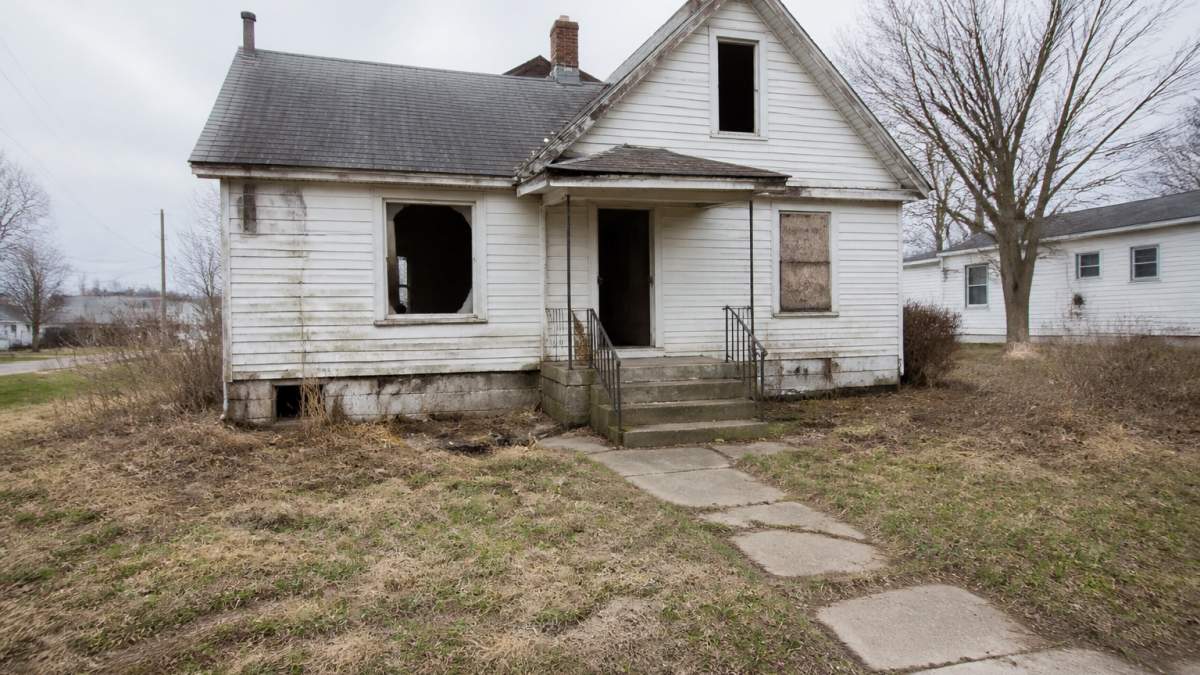
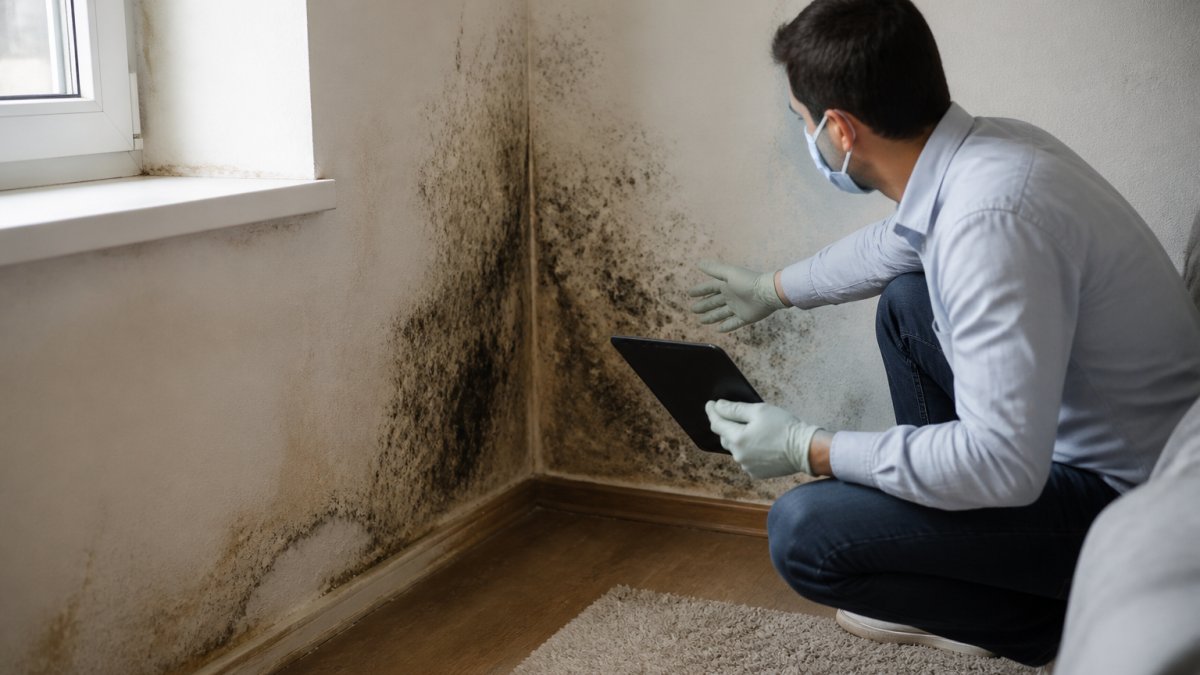
 comparison
Selling a House With Mold Issues in 2026: Worth It?
Table of Contents
- Selling a House With Mold Issues in 2026: The Net-Proceeds Question
- Mold Remediation Cost Before Selling a House: The 2026 Numbers
- How Mold Affects Home Value and Your Sale Price
- Mold Disclosure When Selling a House: What Sellers Must Say
- Selling a House With Mold As-Is: What Buyers and Lenders Actually Do
- Three Paths, Three Payouts: A Side-by-Side Comparison
- A Severity-Based Decision Framework for Mold-Affected Homes
- Conclusion: When Selling With Mold Issues Is Worth It
- Frequently Asked Questions
Last Updated: October 8, 2026
Selling a House With Mold Issues in 2026: The Net-Proceeds Question
Selling a house with mold is rarely about whether you can sell. It is about what you keep after the sale. That single number, your net proceeds, decides whether remediation, an as-is listing, or a cash offer makes the most sense for your situation.
This guide from OneRoof Real Estate breaks down the three paths side by side, using a transparent cost and value model rather than guesswork.
The honest answer to whether selling with mold issues is worth it: it depends on three variables. Mold severity, the cause behind it, and how much equity you are protecting.
A small patch of surface mildew in a bathroom is a cleaning project. According to the U.S. Environmental Protection Agency's mold guidance, there is no practical way to eliminate all mold and mold spores indoors, which is why controlling moisture is the real long-term fix, not bleach.
That distinction drives everything below.
Mold Remediation Cost Before Selling a House: The 2026 Numbers
Mold remediation cost before selling a house depends almost entirely on scope, not on the square footage of visible growth.
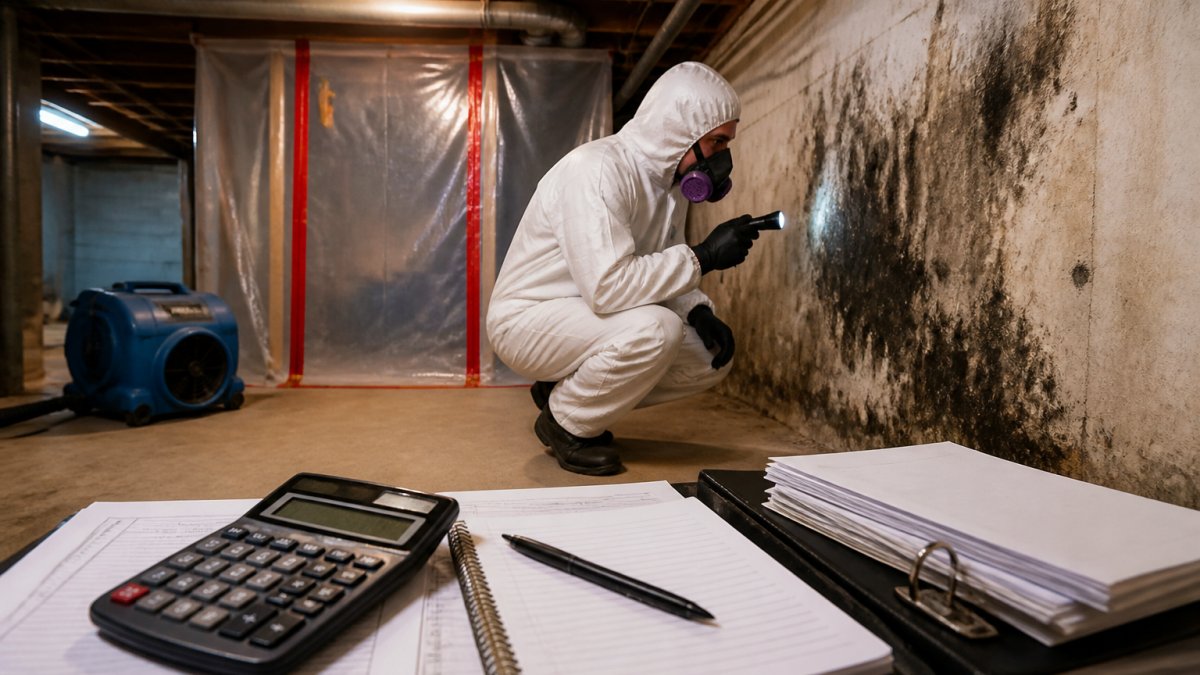
We group remediation pricing into three tiers, with the cost drivers that move each one:
| Scope | Typical Work | Primary Cost Drivers |
|---|---|---|
| Surface mold | Cleaning, antimicrobial treatment, humidity control | Labor hours, square footage treated, dehumidification |
| Contained area | Sealed containment, HEPA filtration, limited material removal | Containment build, air scrubbing, drywall or insulation replacement |
| Structural or HVAC | Framing, ductwork, crawlspace encapsulation, rebuild | Demolition, structural repair, duct cleaning or replacement, encapsulation, permits |
Most practitioners find the total bill splits into two buckets: the mold work itself and the moisture-source repair that caused it. The second bucket is the one sellers underestimate.
A realistic 2026 planning model looks like this:
- Assessment: A professional mold inspection or moisture assessment is a modest upfront cost and is often credited toward the remediation quote if you hire the same firm.
- Remediation labor and materials: Scales with containment size, number of affected rooms, and whether porous materials (drywall, carpet, insulation) must be removed and replaced.
- Moisture-source repair: Plumbing, roofing, grading, drainage, or sump work. This is frequently the largest single line item and is not always included in a remediation quote.
- Reconstruction and finishing: Drywall, paint, flooring, and trim after removal. Easy to forget, expensive to skip.
- Clearance testing: Post-remediation verification, which many buyers and lenders now expect to see in writing.
Because labor rates, permit costs, and material prices vary by region, the honest way to budget is to get two written remediation quotes that separately itemize the moisture-source repair, then add a contingency for reconstruction. A quote that lumps everything into one number hides the line item most likely to balloon.
One more 2026 reality: remediation demand and insurance scrutiny have both risen, so scheduling can take longer than sellers expect.
How Mold Affects Home Value and Your Sale Price
How mold affects home value comes down to buyer perception and financing, not the mold itself.
Redfin notes that remediation may help sellers market a home at full value, and that a higher sale price can recoup much of the remediation cost. That math only works when the home has strong equity and the mold is a contained problem.
Where it breaks down: homes with thin equity, structural damage, or a history of repeat water intrusion. In those cases, remediation spending rarely returns dollar for dollar, and an as-is sale often nets more.
Mold Disclosure When Selling a House: What Sellers Must Say
Mold disclosure when selling a house is governed by state law, and requirements vary widely. Some states mandate a specific property condition disclosure form, while others follow caveat emptor rules with limited seller obligations.
The practical rule: if you know about mold or a moisture problem, disclose it. Nondisclosure is the fastest route to a lawsuit, a failed closing, or a buyer backing out after inspection.
A standard seller disclosure typically asks about:
- Water damage and past leaks
- Known mold or mildew
- Repairs related to moisture or flooding
- Insurance claims tied to water intrusion
Selling a House With Mold As-Is: What Buyers and Lenders Actually Do
Selling a house with mold as-is means the buyer accepts the property in its current condition, with no repairs required from you. That works only when the buyer is paying cash or using a lender that does not require a mold clearance.
Traditional buyers using conventional financing usually cannot close on a home with active mold. Appraisers flag it, underwriters require remediation, and the deal stalls.
Cash buyers and real estate investors operate differently. They price the repair into the offer and close without an inspection contingency.
For a seller dealing with an inherited property, a pre-foreclosure notice, or a problem tenant, that certainty is often worth more than a higher list price that never closes.
Three Paths, Three Payouts: A Side-by-Side Comparison
Most guides stop at describing the three options. This section does what the keyword actually asks: it puts a dollar framework next to each path so you can compare net proceeds instead of comparing adjectives.
The comparison below is the one most guides skip.
| Factor | Remediate Then List | List As-Is | Cash Buyer |
|---|---|---|---|
| Upfront cost | Remediation, moisture repair, reconstruction, holding costs | None | None |
| Time to close | Months | Weeks to months | Days |
| Buyer pool | Traditional, financed | Investors, cash | Cash only |
| Financing risk | Low after clearance | High | None |
| Price reduction risk | Lower | Higher | Priced in upfront |
| Certainty of closing | Moderate | Low | High |
The net-proceeds formula
Net proceeds are not your sale price. They are what is left after every cost attached to the transaction. Run the same formula for each path:
Net proceeds = realistic sale price − remediation and repairs − commissions − closing costs − holding costs − concessions
For the remediate-then-list path, the realistic sale price is higher, but you subtract remediation, moisture repair, reconstruction, agent commissions, seller closing costs, and every month of holding costs while the work is done. For the as-is listing path, the sale price is discounted and you still pay commissions and closing costs, plus you carry the risk that a financed buyer walks after inspection. For the cash path, the offer is lower, but commissions, closing costs, and holding costs are typically zero or absorbed by the buyer.
Why the numbers land closer than sellers expect
The gap between a remediated listing and a cash offer is usually narrower than the sticker prices suggest, because the remediated path carries costs that never appear on the listing sheet:
- Holding costs: Mortgage interest, taxes, insurance, utilities, and maintenance for every month the home sits.
- Concessions: Buyers who see a mold history often negotiate a credit even after remediation.
- Failed-deal risk: A deal that falls through after inspection costs you the inspection period, the marketing time, and sometimes a second round of repairs.
- Scope creep: Remediation quotes are estimates. Hidden moisture damage behind walls is a common surprise.
A worked example, with assumptions stated
Because actual figures vary by market, here is the structure rather than a single national number. Plug in your own:
- Start with your realistic as-is market value (what a cash buyer or investor would pay today).
- Add the price premium a fully remediated, clear home would command in your market, often a modest percentage, not a full restoration of value.
- Subtract remediation, moisture repair, and reconstruction from that premium.
- Subtract commissions, seller closing costs, and holding costs for the months the remediated path takes.
- Compare the result against your cash offer, which already has those costs removed.
If the remediated path nets more, remediate. If the two land within a few thousand dollars, the certainty and speed of a cash sale usually wins, because the remediated path still carries deal-failure risk that the cash path does not.
This is the framework we use when we make an offer: we price the repair into the number upfront, so you can see the same math we see.
A Severity-Based Decision Framework for Mold-Affected Homes
Use this framework to pick your path based on severity and cause.
Surface mold, strong equity, time available: Remediate, then list. The return on remediation is usually positive when the problem is contained.
Contained mold with an identified, fixed moisture source: Get a written remediation quote first, then decide. If the quote is a small fraction of your equity, remediate.
Structural, HVAC, or crawlspace mold with repeat water intrusion: Sell as-is to a cash buyer. Remediation costs and financing risk make a traditional listing unreliable.
Inherited, vacant, or pre-foreclosure property: Prioritize speed and certainty. Holding costs and code violations compound every month.
Always get the moisture source diagnosed before you get a remediation quote. Contractors who quote mold removal without finding the leak are quoting half a job.
Conclusion: When Selling With Mold Issues Is Worth It
Selling a house with mold issues is worth it when the cost of fixing the problem outweighs the price premium a clean home would command. For contained mold and healthy equity, remediate and list. For structural damage, repeat leaks, or a property you cannot afford to hold, an as-is cash sale usually nets more and closes faster.
That is where we come in. OneRoof Real Estate buys homes in any condition, covers all commissions, closing costs, and fees, and provides fair, all-cash offers within 24 hours with closings typically in 7 days. We also handle property clean-out, so you never touch the mess.
Get started with OneRoof Real Estate and turn a mold problem into a closed sale.
Frequently Asked Questions
Can you sell a house with mold without fixing it?
Yes. You can sell a house with mold without remediating it, but the sale rarely goes the traditional route. Most retail buyers using mortgage financing walk away when an inspection report shows active mold, and lenders may refuse to fund a property with unresolved moisture problems. Cash buyers and real estate investors purchase mold-affected homes as-is, no repairs or cleanup required, and typically close in about a week. The trade-off is a lower offer price that reflects the remediation risk the buyer is taking on.
Do you have to disclose mold when selling a house?
In most states, yes. Seller disclosure requirements obligate you to report known material defects, and visible mold or a prior mold history usually qualifies. Some states name mold specifically; others fold it under general property condition language. Either way, hiding a known mold problem can expose you to post-closing lawsuits and give the buyer grounds to back out. Disclose it in writing, attach any inspection report or remediation documentation, and keep a signed copy of what the buyer received.
How much does mold reduce a home's value?
The reduction depends on severity and how the sale is structured. Surface mold from a small leak might cost a few hundred dollars to fix and cause little to no price loss once remediated. Structural mold in crawlspaces, HVAC systems, or wall cavities can trigger price reductions in the tens of thousands, or push buyers to walk entirely. Homes sold as-is to cash buyers typically see a larger discount than remediated homes sold on the open market, because the buyer absorbs the repair cost and timeline.
Is it better to remediate mold before selling a house?
It depends on your equity, timeline, and the mold's cause. If the repair is contained and you have equity to spare, remediation plus a clean inspection report usually supports a higher sale price and a smoother closing. If the mold traces back to an unfixed moisture source, or remediation costs approach your equity, listing as-is or selling to a cash buyer often nets more after you subtract holding costs, price reductions, and the risk of the deal falling through.