 blog
blog
7 Ways to Sell a House With Major Structural Damage
Table of Contents
- Selling a House As-Is With Structural Damage: What You're Actually Facing
- 1. Sell to a Cash Buyer (The Fastest Route)
- 2. List With a Real Estate Agent Who Handles Distressed Properties
- 3. Sell a House With Foundation Problems to an Investor at Auction
- 4. How to Price a House With Structural Damage Before You List
- 5. How Long Does It Take to Sell a House That Needs Major Repairs?
- 6. Repair First or Sell As-Is? The Net-Proceeds Comparison
- 7. Off-Market and Creative Sale Routes Most Sellers Overlook
- The Bottom Line on Selling With Structural Damage
- Frequently Asked Questions
Last Updated: October 6, 2026
Selling a House As-Is With Structural Damage: What You're Actually Facing
Selling a house with major structural damage is possible, and most sellers have more routes than they realize.
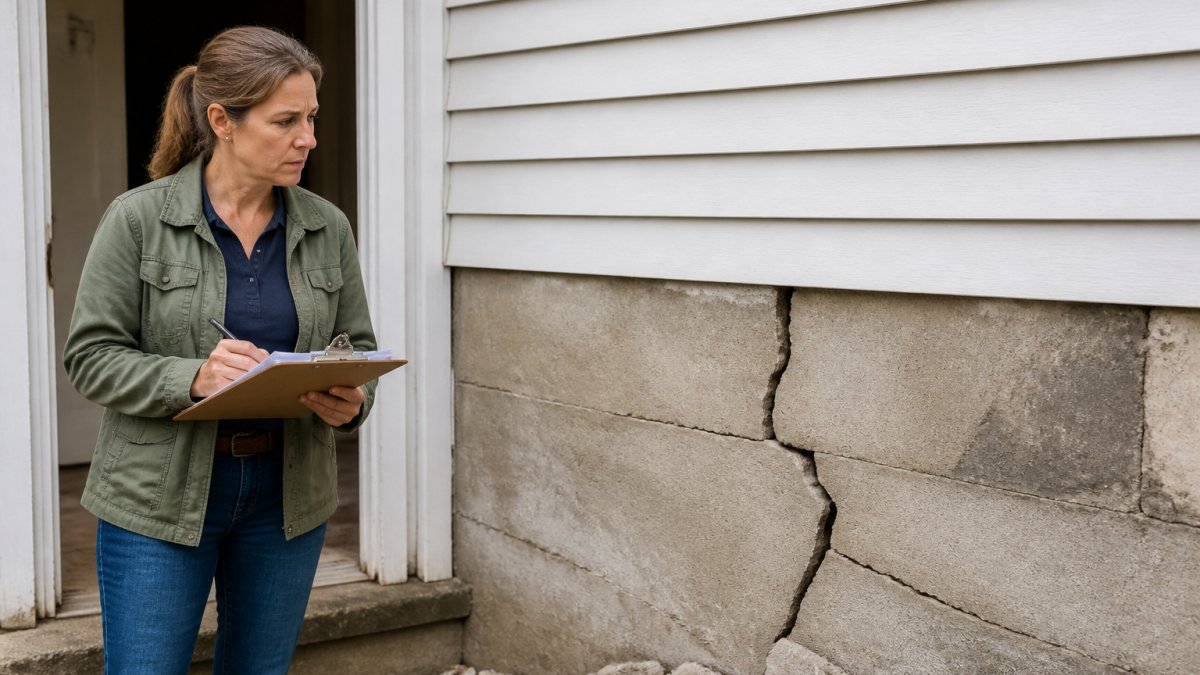
The hard truth: a home with structural defects has a much smaller buyer pool. Traditional lenders often refuse to fund a home with foundation damage or roof failure, which shrinks your options unless you know where to look.
Structural damage means harm to the parts of a home that hold it up: the foundation, load-bearing walls, roof structure, and framing.
Below, we break down seven real sale routes, plus how to price the home, how long each path takes, and whether repairing first actually pays off.
1. Sell to a Cash Buyer (The Fastest Route)
A cash buyer is the fastest way to sell a home with structural damage. These buyers purchase as-is, skip the inspection, and close on your timeline.
No repairs. No cleaning. No waiting on a lender who might balk at the damage. This is where OneRoof Real Estate comes in.
Here is what a direct cash sale typically looks like:
- You request an offer and get a fair, all-cash number within 24 hours
- No repairs, fees, or commissions come out of your pocket
- We cover closing costs, so the offer is close to what you keep
For out-of-state heirs or sellers facing foreclosure, this removes almost every headache.
2. List With a Real Estate Agent Who Handles Distressed Properties
Listing with an agent is the route most sellers default to, and it can work on a structurally damaged home, but only if the agent understands that the buyer pool is not families with mortgages.
A general agent will list at repaired value, watch it sit for 90 to 180 days, then push you to drop the price. A distressed-property specialist prices it correctly on day one and markets it to people who can actually close.
Why the buyer pool shrinks so fast
Most conventional mortgages are sold to Fannie Mae or Freddie Mac, and both require the property to be safe, sound, and structurally secure. A home with active foundation movement, a compromised load-bearing wall, or a failing roof structure typically fails that test, knocking out FHA, VA, and conventional buyers in one stroke.
What is left:
- Cash investors and flippers who plan to repair and resell or hold as a rental
- Buyers using renovation or fix-and-flip loans, which underwrite the after-repair value rather than the current condition
- Buyers using a 203(k) rehabilitation mortgage, which bundles purchase and repair cost into one loan, but requires an approved contractor and a strict timeline
If your agent is not marketing to those four groups, your listing is invisible to the only people who can buy it.
What a distressed-property listing actually looks like
- The listing states the condition plainly and invites investor offers
- The price is set from as-is comparable sales, not repaired value
- The agent pre-collects inspection reports, engineer letters, and contractor bids so buyers can underwrite quickly
Questions to ask before you sign
- How many as-is or distressed homes have you closed in the last 12 months?
- Can you show me your investor buyer list, or at least describe how you built it?
- What is your honest days-on-market estimate for a home in this condition?
The trade-offs
You will pay a commission, commonly 5% to 6%, though some agents discount for as-is listings, and likely wait longer than a cash sale. You may still accept an investor offer in the end, just after paying a commission on top.
The upside is real: professional pricing, negotiation, and a paper trail of disclosures that protects you if a buyer later claims they were misled.
3. Sell a House With Foundation Problems to an Investor at Auction
Auction trades price control for speed and finality. On a home with foundation problems, that trade can be worth it, but only if you understand which kind of auction you are running and who is allowed to bid.
The two auction types, and why the difference matters
Public or absolute auction. You hire an auctioneer, the property is marketed for a set window, and bidders compete on the day. If you set a reserve, a minimum price below which you will not sell, the auctioneer announces it.
Trustee or foreclosure auction. This is not voluntary. It happens because a lender is enforcing a deed of trust, and proceeds go first to the lender. Treat it as a last resort, not a strategy.
Who bids on a structurally damaged home
The bidder pool at a public auction is almost entirely cash, not a preference, a requirement. Most auction houses require a cashier's check deposit to register, and the balance is due within 24 to 48 hours.
That means the buyers who show up are:
- Flippers who already know the local repair costs and have a crew ready
- Landlords who plan to stabilize the structure and rent it
- Neighbors or adjacent owners who want the lot
Notice who is missing: anyone using a conventional, FHA, or VA loan. Those buyers cannot bid because they cannot close on auction terms, and the property would fail the lender's condition requirements anyway.
What the damage does to the bidding
Foundation problems are the single biggest discount driver at auction. Bidders cannot inspect the way a normal buyer can, so they price in the worst case.
Roof structure damage has a similar effect, though it is easier to scope. Load-bearing wall issues are hardest to price because the fix depends on what the engineer finds once the walls are open.
How to set a reserve you can live with
- Get a contractor's repair estimate and add a 20% to 30% contingency for hidden conditions
- Subtract that from the repaired market value to get your as-is floor
- Compare that floor to recent as-is sales in your area
- Set the reserve at or slightly below your floor, not your hoped-for number
If the reserve is too high, the property will not sell and you will have paid marketing costs for nothing. If it is too low, you may leave money on the table.
The risks, stated plainly
- Thin bidder turnout. If only one bidder registers, you may sell well below market or not at all.
- No financing contingency. The buyer must close or forfeit their deposit, but if they cannot close, you are back to square one.
- Disclosure still applies. Auction does not exempt you from disclosing known structural defects. In most states, sellers must disclose material defects in writing, and an as-is clause does not override statutory disclosure duties.
4. How to Price a House With Structural Damage Before You List
To price a house with structural damage, start with as-is market value, then subtract the full cost of repairs a buyer would face.
Zillow shows what a repaired home might sell for, not what a damaged home sells for. Buyers discount hard for uncertainty.
Use this method:
- Get a repair estimate from a licensed contractor
- Add a cushion for hidden problems found during work
- Subtract repairs and that cushion from the repaired value
- Compare the result to recent as-is sales nearby
A failed inspection is not a dead end. It is data. It tells you exactly what buyers will discount.
5. How Long Does It Take to Sell a House That Needs Major Repairs?
A house that needs major repairs takes far longer to sell on the open market than a move-in-ready home, often several months or more. Cash sales close in about a week.
The timeline depends entirely on your route:
| Sale Route | Typical Timeline | Certainty |
|---|---|---|
| Cash buyer | About 7 days | High |
| Agent listing | Several months | Low |
| Auction | Weeks to a couple months | Medium |
| Repair then list | Months of work, then months to sell | Medium |
Speed of sale and certainty of sale rarely come together with top dollar. Pick which two matter most to you.
6. Repair First or Sell As-Is? The Net-Proceeds Comparison
Repairing first only pays off when the added sale price beats the repair cost, holding time, and risk. For major structural work, it often does not. Run the net-proceeds math before you swing a hammer:
- Repair first: higher sale price, minus repair costs, minus months of taxes and insurance, minus the risk of new problems
- Sell as-is: lower sale price, but no repair bills, no holding costs, and a fast close
For foundation, roof, and load-bearing repairs, the numbers usually favor selling as-is. The work is expensive, slow, and unpredictable.
7. Off-Market and Creative Sale Routes Most Sellers Overlook
Beyond the standard routes, several off-market options can move a damaged home without a public listing.
- Private sale: sell directly to a neighbor, relative, or investor you already know
- Seller financing: you act as the bank, which can attract buyers who can't get a mortgage
- Lease option: a tenant-buyer rents now with a path to buy later
Each can work, but each carries legal and financial risk. Get a real estate attorney to review any creative deal before you sign. Always verify a buyer's funds and never sign over a deed before you are paid.
The Bottom Line on Selling With Structural Damage
Structural damage narrows your buyer pool, but it does not trap you. You can sell fast to a cash buyer, list with a specialist agent, go to auction, or try an off-market deal.
If speed and certainty matter most, a direct cash sale is the simplest path. OneRoof Real Estate buys homes in any condition, makes all-cash offers within 24 hours, and typically closes in about 7 days.
Selling a damaged house is stressful. It doesn't have to be complicated.
Frequently Asked Questions
Can you sell a house with major structural damage?
Yes. You can sell a house with structural damage through a cash buyer, an as-is listing, an auction, or an investor. The key is disclosing known defects and pricing realistically. Cash buyers purchase properties in any condition, no repairs or inspections required, and can close in as little as seven days. Traditional listings work too, but your buyer pool shrinks and financing may fall through if the damage affects mortgageability.
Do you have to disclose structural problems when selling a house?
In most states, yes. You must disclose known structural defects on a property disclosure form. If you fail to disclose and the buyer discovers the issue after closing, you could face legal action. Full disclosure protects you and keeps the transaction clean. Your real estate agent or attorney can walk you through the specific disclosure requirements that apply to your sale.
How do you price a house with major structural issues?
Start with the as-is market value, then subtract the estimated repair costs and a discount for the buyer's risk and profit margin. Get a professional repair estimate from a licensed contractor or structural engineer. A cash buyer will factor in their own repair numbers, so having your own estimate helps you evaluate offers. Pricing too high drives away serious buyers and extends your sale timeline.
How long does it take to sell a house that needs major repairs?
A cash sale can close in seven to fourteen days. A traditional as-is listing typically takes 60 to 120 days, longer if the damage scares off financed buyers. Auction timelines vary but often run 30 to 60 days. The speed depends on your sale route, how you price the property, and whether the damage blocks mortgage approval for prospective buyers.
When structural damage, probate, or a difficult tenant is holding up your sale, the last thing you need is a long, uncertain listing. OneRoof Real Estate buys homes as-is, offers cash within 24 hours, and lets you pick the closing date, with no repairs, fees, or commissions. With hundreds of homes bought in the Wichita area and a spot on the Inc. 5000 list, we make the process plain and painless. Get started with OneRoof Real Estate and turn that unwanted property into cash.