 how-to
Selling a House With Foundation Problems: Worth It?
Table of Contents
- How Foundation Problems Affect Your Home's Market Value
- Disclosure Requirements for Foundation Issues
- Selling a House as-Is With Foundation Problems
- Cost of Foundation Repair in Kansas and ROI Analysis
- Repair vs. Sell As-Is: Financial Comparison
- How Foundation Problems Affect Buyer Financing
- Your Options: Traditional Buyers, Cash Buyers, and Negotiation Strategies
- Conclusion
Last Updated: August 17, 2026
How Foundation Problems Affect Your Home's Market Value
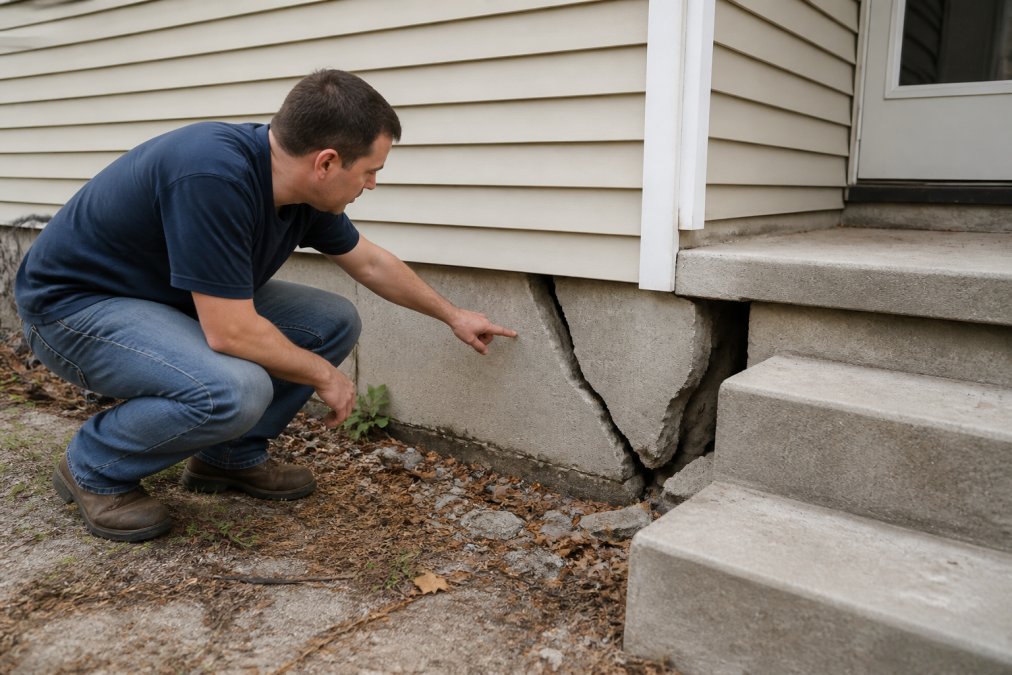
Foundation problems create a direct hit to what buyers will pay. The moment a foundation issue surfaces, the property enters a different market entirely, one where pricing power disappears and buyer pools shrink dramatically.
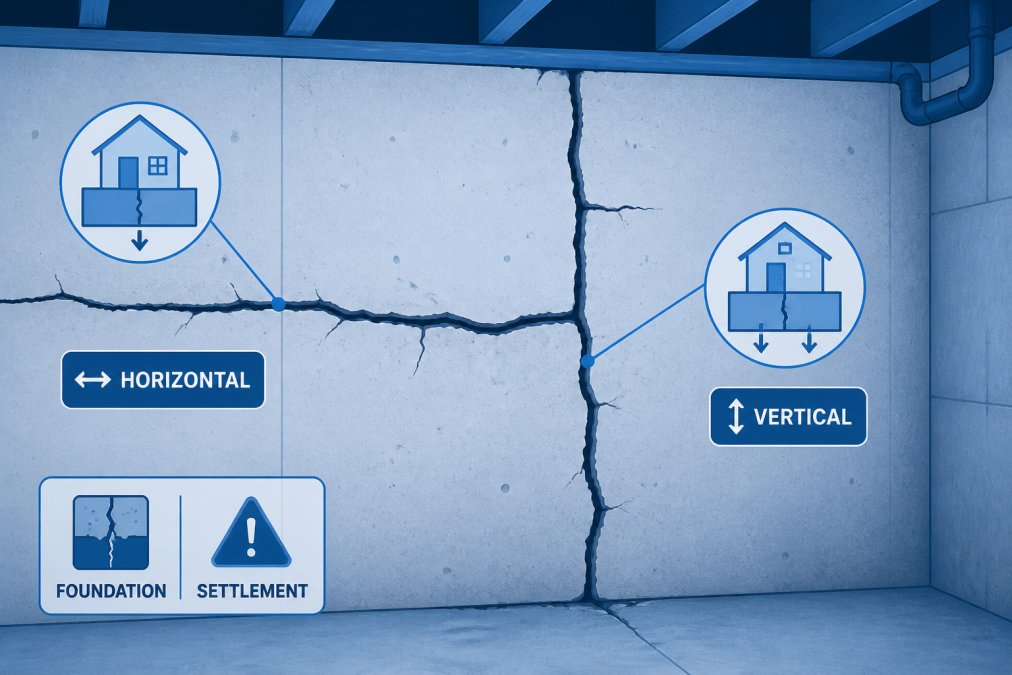
When a home has foundation problems, market value typically declines significantly. Buyers conducting due diligence will discover the issue during inspection, and the negotiating position shifts entirely to their favor. What might have sold for $250,000 in perfect condition could face offers 15-30% lower once foundation damage becomes known. The reduction isn't arbitrary, it reflects the cost of repairs, the uncertainty of structural integrity, and the difficulty of securing financing.
The real challenge is that foundation problems create cascading concerns. Lenders view foundation damage as a red flag for systemic structural issues. Insurance companies may exclude coverage or charge premiums. Future buyers will demand engineer reports. The property becomes harder to market, sits longer on the market, and attracts only the most price-conscious buyers or investors looking for a deal.
Local soil conditions in the area matter significantly. Expansive clay soils, common in many regions, create specific foundation stress patterns. Properties built on inadequate footings or with poor drainage are vulnerable to settlement and heaving. These aren't just cosmetic issues, they affect the long-term structural integrity of the home.
The disclosure requirement compounds the problem. Once you know about foundation problems, you must disclose them to potential buyers. Hiding the issue exposes you to legal liability and can result in lawsuits after closing. Transparency is legally required, which means the market knows about the problem before any offer comes in.
Disclosure Requirements for Foundation Issues
You are legally required to disclose known foundation problems to any potential buyer. This is not optional, and the consequences of non-disclosure are severe.
Most states require sellers to complete a property disclosure form that specifically addresses structural issues, foundation condition, and any past or present problems. Kansas follows this standard requirement. The disclosure must be truthful and complete, if you know about foundation cracks, settlement, water intrusion, or previous repairs, these must be documented and shared before a purchase agreement is signed.
The disclosure timeline matters. You must provide the disclosure before the buyer is bound to the purchase agreement, or the buyer has the right to terminate without penalty. Many states give buyers a specific inspection period (often 7-10 days) to conduct their own inspection and hire a structural engineer. During this period, they can request repairs, ask for credits, or walk away entirely.
Documentation strengthens your position. If you have previous inspection reports, repair estimates, or records of any foundation work completed, gather these documents. They show transparency and may reduce buyer concerns if repairs were completed professionally. If the foundation problem is recent or ongoing, having written records of when you first noticed the issue protects you legally.
The liability for non-disclosure extends beyond the sale. If a buyer discovers undisclosed foundation problems after closing, they can sue for damages, attorney fees, and sometimes punitive damages. Some states allow buyers to rescind the entire transaction. The financial exposure is far greater than any short-term gain from hiding the issue.
Working with a real estate agent or attorney ensures your disclosure is complete and legally compliant. They understand local requirements and can help you document everything properly. This protects both you and the buyer.
Selling a House as-Is With Foundation Problems
Selling as-is means the buyer accepts the property in its current condition, foundation problems and all. This approach eliminates repair negotiations and inspection contingencies that typically derail sales.
When you market a property as-is with foundation problems, you're essentially saying: "Here's what you're getting. We're not fixing anything. You buy it exactly as it stands." This clarity attracts a specific buyer profile, investors, cash buyers, and homeowners willing to tackle repairs themselves or accept the risk.
The advantage is speed and certainty. Traditional buyers will demand repairs, ask for credits, or walk away when they see foundation damage. Cash buyers and investors expect problems and price accordingly. There's no negotiation over what gets fixed. No inspection contingency that falls through. No appraisal that comes in low because of the foundation issue.
OneRoof Real Estate specializes in buying properties with foundation problems as-is. We close typically in 7 days, cover all closing costs and commissions, and don't require repairs or inspections. For homeowners dealing with foundation issues, this eliminates the burden of coordinating repairs or competing in a market where traditional buyers have all the use.
The trade-off is price. As-is sales command lower offers than traditional sales because the buyer assumes all risk and responsibility for repairs. You won't get top dollar, but you get certainty, speed, and no contingencies. For many homeowners facing foundation problems, that certainty is worth more than holding out for a higher price that may never materialize.
Marketing as-is requires honesty in your listing. Highlight what's working about the property, location, layout, bones, and be direct about the foundation issue. Trying to hide it or downplay it only wastes time with buyers who will discover it during inspection anyway.
Cost of Foundation Repair in Kansas and ROI Analysis
Foundation repairs vary widely in cost and complexity, depending on the type of foundation, the severity of damage, and the repair method chosen.
Minor foundation cracks, hairline fractures in concrete, might cost a few hundred dollars to seal. More serious horizontal cracks or bowing walls require underpinning, pier installation, or other structural reinforcement. These repairs can range from several thousand to tens of thousands of dollars. In some cases, extensive foundation failure requires complete rebuilding of load-bearing elements, which can exceed the home's market value.
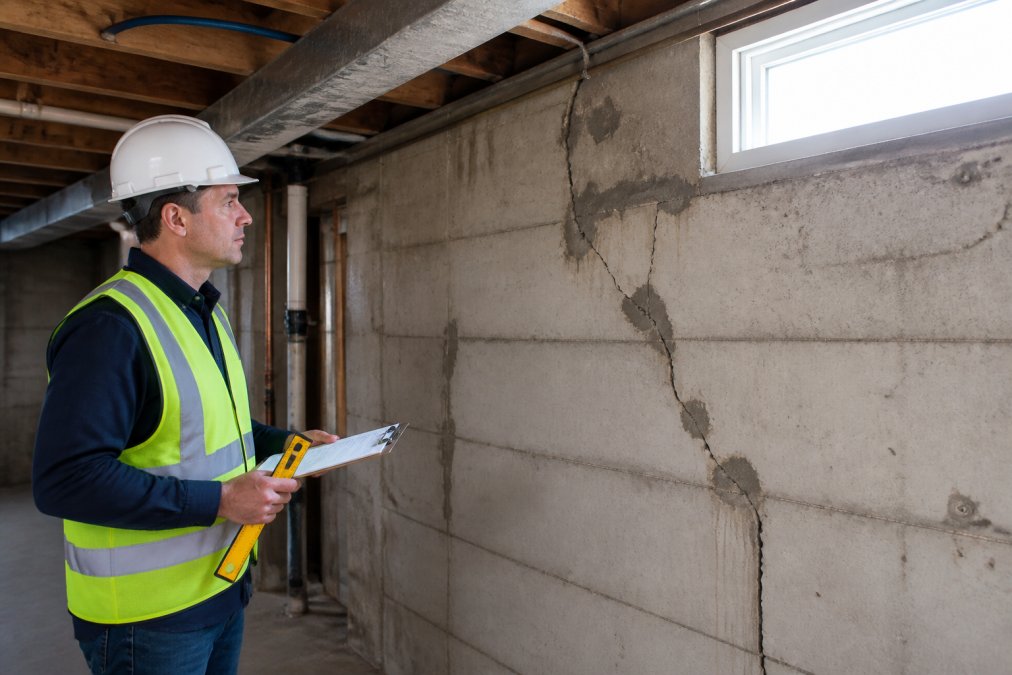
A structural engineer's assessment is the first step. This inspection typically costs $300-800 and provides a detailed report on the damage, its cause, and repair options. Without this assessment, you're making decisions blind. Engineers can recommend mudjacking (lifting a settled slab), helical piers, or other solutions based on the specific problem.
The ROI on foundation repairs is often negative when you're selling. If repairs cost $15,000 and the home would sell for $20,000 more after repairs, the math looks favorable. But that assumes the repaired home actually sells for that premium, which it doesn't always. Buyers still view a repaired foundation with skepticism. They wonder if the repair will hold. They may demand their own engineer's inspection.
This is where selling as-is becomes financially smarter. Instead of spending $15,000 on repairs that may not add $15,000 in value, you accept a lower offer from a cash buyer and avoid the repair cost entirely. You net more money and close faster.
Local soil conditions in the area influence repair costs. Expansive clay soils create ongoing stress on foundations, which means repairs may be temporary unless the underlying soil issue is addressed. This adds cost and complexity that many homeowners underestimate.
Repair vs. Sell As-Is: Financial Comparison
The decision between repairing and selling as-is comes down to numbers and risk tolerance.
| Approach | Upfront Cost | Timeline | Market Appeal | Final Net |
|---|---|---|---|---|
| Repair & Sell | $5K-$25K+ | 60-90 days | Higher asking price | Variable, depends on repair quality and buyer perception |
| Sell As-Is | $0 | 7-14 days | Lower asking price | Certain, cash buyer accepts condition and closes fast |
The repair path requires capital upfront. You hire a contractor, supervise the work, and hope the repair holds. If the repair is incomplete or fails, you're liable. If the buyer's inspector finds additional issues, you're back to negotiating. The timeline extends 2-3 months while repairs happen and the property sits on the market.
The as-is path requires accepting a lower price. But there's no repair cost, no contractor coordination, no risk of failed repairs, and no inspection contingencies. You close in days, not months. For homeowners in financial distress or those managing an inherited property, this certainty is invaluable.
The math often favors as-is when foundation problems are significant. A $20,000 repair that might add $10,000-$15,000 in value is a losing proposition. You're spending money that doesn't return full value. Selling as-is to a cash buyer eliminates that loss and gets you out of the property faster.
Consider your timeline. If you need to sell quickly, due to foreclosure, inheritance obligations, or personal circumstances, repairs delay the process. Selling as-is accelerates it. If you have time and capital, repairs might add value for the right buyer. But in most cases with foundation problems, as-is is the pragmatic choice.
How Foundation Problems Affect Buyer Financing
Foundation problems create serious obstacles for buyer financing. Most lenders will not finance a property with known foundation damage without a professional repair or a structural engineer's certification that the damage is stable and non-progressive.
FHA loans, popular for first-time homebuyers, have strict requirements for property condition. Foundation damage that affects structural integrity can disqualify a property from FHA financing entirely. VA loans have similar restrictions. Conventional loans require appraisals that account for foundation problems, which typically results in a lower appraised value and a smaller loan amount.
This financing barrier is why cash buyers emerge as the primary market for homes with foundation problems. Traditional buyers cannot get financing. Their lenders won't approve the loan. Even if a buyer has cash, their lender may require proof that foundation issues have been professionally repaired and certified as stable.
The appraisal process compounds the problem. An appraiser will note foundation damage in their report. This creates a permanent record that affects future financing for any subsequent buyer. Even if the current buyer pays cash, the next owner will face the same financing challenges.
Some sellers attempt to repair foundation problems specifically to unlock financing for buyers. But lenders still scrutinize repaired foundations. They may require a structural engineer's letter of certification. They may impose a waiting period to ensure the repair has held. They may reduce the loan amount to account for residual risk.
This is why selling to a cash buyer or investor makes sense when foundation problems exist. You eliminate the financing contingency entirely. The buyer doesn't need lender approval. They don't need an appraisal. They don't need financing at all. The sale closes based on the buyer's cash and their willingness to accept the property as-is.
Your Options: Traditional Buyers, Cash Buyers, and Negotiation Strategies
You have three primary paths forward: list with a traditional agent, work with a cash buyer, or attempt to negotiate repairs with a buyer during the inspection period.
Traditional Agent Listing
This is the conventional approach. You hire an agent, list the property, disclose the foundation problem, and wait for offers. The advantage is you might attract a buyer willing to pay more. The disadvantage is the pool of interested buyers shrinks dramatically. Most traditional buyers will back out once they see the foundation issue. Those who remain are typically investors or flippers who will lowball you aggressively. The process takes 60-120 days, and you carry carrying costs and property taxes throughout.
Cash Buyers and Investors
Cash buyers expect problems. They price accordingly and close fast. OneRoof Real Estate represents this category, we buy properties with foundation problems as-is, close typically in 7 days, and cover all closing costs. The offer will be lower than a traditional sale, but you avoid repairs, inspections, and contingencies. For homeowners facing foreclosure, managing an inherited property, or dealing with financial stress, this certainty is invaluable.
Negotiation During Inspection
If you list traditionally and a buyer makes an offer, you enter the inspection period. The buyer's inspector will find the foundation problem. At this point, you can negotiate: the buyer asks for a repair credit, you counter, and you either reach agreement or the deal falls apart. This process is unpredictable and often contentious. Many deals collapse during this phase because buyers and sellers can't agree on repair costs or responsibility.
The negotiation approach works only if you're willing to accept a repair credit or complete repairs yourself. If you're not, the buyer will likely walk. This is why many sellers with foundation problems skip the traditional market entirely and go directly to cash buyers.
Strategic Considerations
Choose based on your timeline and financial position. If you have 6 months and capital to invest in repairs, traditional listing might work. If you need to sell in 30 days and have no repair capital, a cash buyer is the practical choice. If you're uncertain, get a structural engineer's assessment first. That report clarifies the severity of the problem and helps you understand what buyers will actually demand.
Conclusion
Selling a house with foundation problems is possible, but it requires understanding how foundation issues affect value, financing, and buyer behavior. The market for homes with foundation damage is real, but it's a different market with different buyers and different prices.
If you're facing foundation problems and need to sell quickly, OneRoof Real Estate buys properties in any condition, including foundation damage, as-is, with no repairs required. We close typically in 7 days, cover all commissions and closing costs, and handle the entire process seamlessly. Get a fair, all-cash offer within 24 hours. Learn more about selling your home as-is
Frequently Asked Questions
How hard is it to sell a house with foundation issues?
Selling a house with foundation problems is challenging but not impossible. Traditional buyers often walk away after inspection, and financing falls through due to appraisal and loan requirements. However, cash buyers purchase homes with foundation issues as-is without inspection contingencies. The process is easier when you disclose problems upfront, work with experienced real estate agents familiar with distressed sales, and understand your local market. In Sedgwick County, where expansive soil and clay-heavy conditions create foundation settlement, buyers are more accustomed to these issues, making sales more feasible than in other regions.
Do foundation repairs devalue a home?
Foundation repairs can actually restore market value, but the ROI depends on repair scope and cost. Minor repairs, like sealing small cracks or basement waterproofing, typically recover 50-80% of costs at resale. Major repairs, such as underpinning or mudjacking, are expensive and may only recover 30-50% of the investment. If you sell before repairs, expect a 10-25% market value reduction depending on severity. Many homeowners find it more cost-effective to sell as-is to a cash buyer than to invest thousands in repairs that don't fully restore value.
What are the disclosure requirements for foundation issues in Kansas?
Kansas real estate law requires sellers to disclose all known material defects, including foundation problems, on the Residential Property Condition Disclosure Form. You must disclose the nature of the damage, when you first noticed it, and any repairs or inspections performed. Failure to disclose creates non-disclosure liability, exposing you to lawsuits and damages. Document everything in writing, inspection reports, repair estimates, and photos, and provide this documentation to buyers before they make an offer. Working with a real estate agent ensures compliance with all state requirements.
Should I repair my foundation before selling or sell as-is?
The answer depends on repair costs versus market value loss. If repairs cost $15,000 but only recover $8,000 in resale value, selling as-is makes more financial sense. Use a foundation repair estimate to calculate ROI. For minor issues, repairs may justify the expense. For major structural damage, selling as-is to a cash buyer avoids the risk of repairs not selling the home and lets you keep more proceeds after covering closing costs. Consider your timeline too, repairs add 2-4 months to the sale process, while cash buyers close in 7 days.
This article was written using GrandRanker