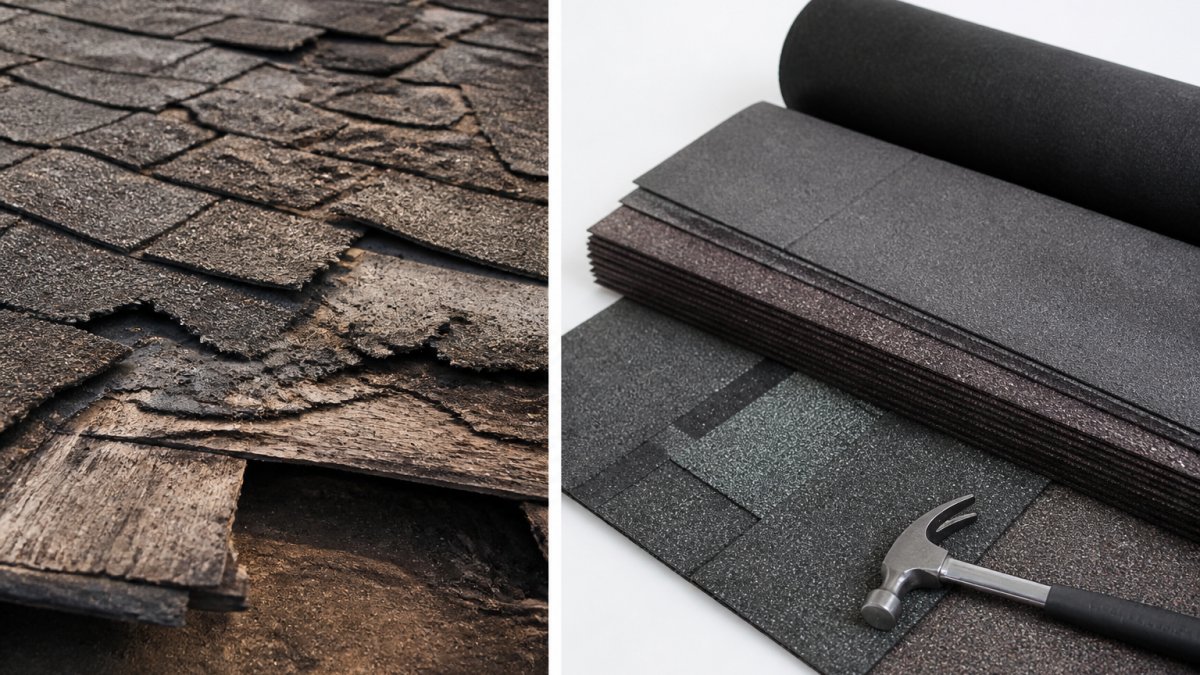
 comparison
Bad Roof Before Selling: Replace or Sell As-Is
Table of Contents
- Selling a House With a Bad Roof: Your Two Main Options
- How Roof Condition Affects Home Value and Buyer Perception
- Cost to Replace a Roof Before Selling
- Roof Replacement Return on Investment: Will You Recover the Cost?
- Offering a Roof Repair Credit to Buyer Instead of Replacing
- Disclosing Roof Damage When Selling a House
- The Fast Alternative: Selling Your Home As-Is to a Cash Buyer
- Frequently Asked Questions
Last Updated: October 10, 2026
Selling a House With a Bad Roof: Your Two Main Options
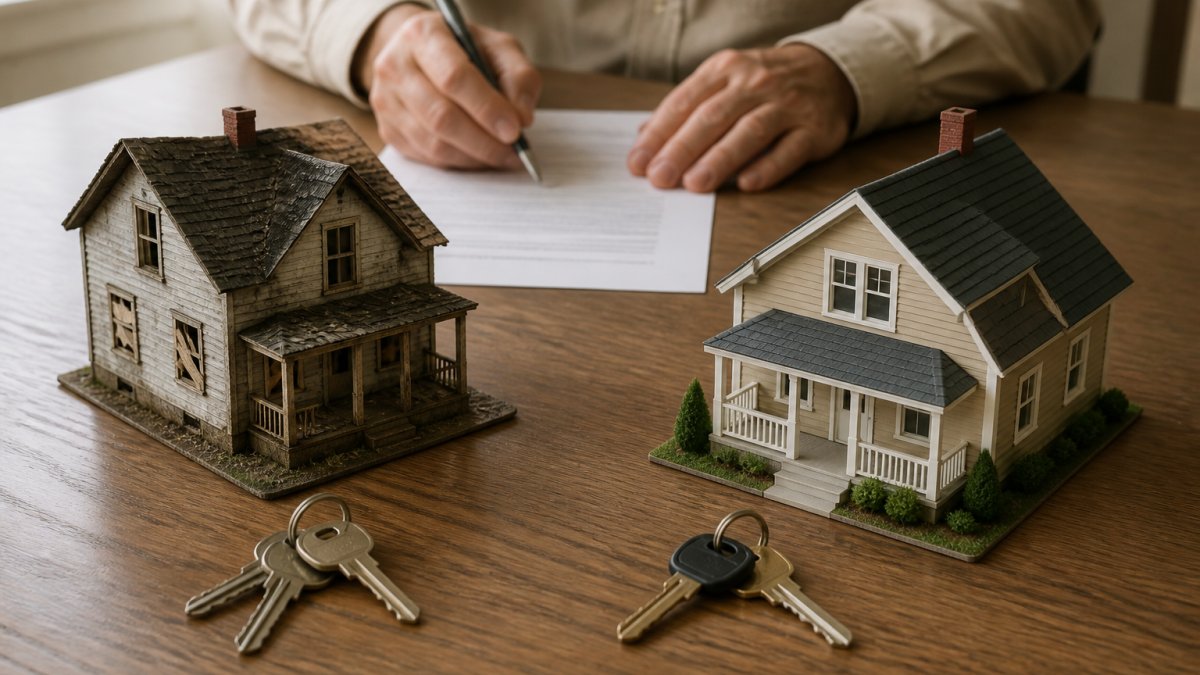
When you're facing a bad roof selling situation, you have a fundamental choice: invest in replacement before listing, or sell the property as-is and let the buyer handle it. This decision shapes your timeline, your net proceeds, and your stress level over the coming weeks.
The right choice depends on three factors: your roof's actual condition, your timeline, and your financial situation.
A roof replacement costs $8,000-$25,000 but rarely recovers its full cost at sale. You might spend $15,000 and see only $10,000 back in sale price. The real decision lies between three distinct paths, each with different financial and timing outcomes.
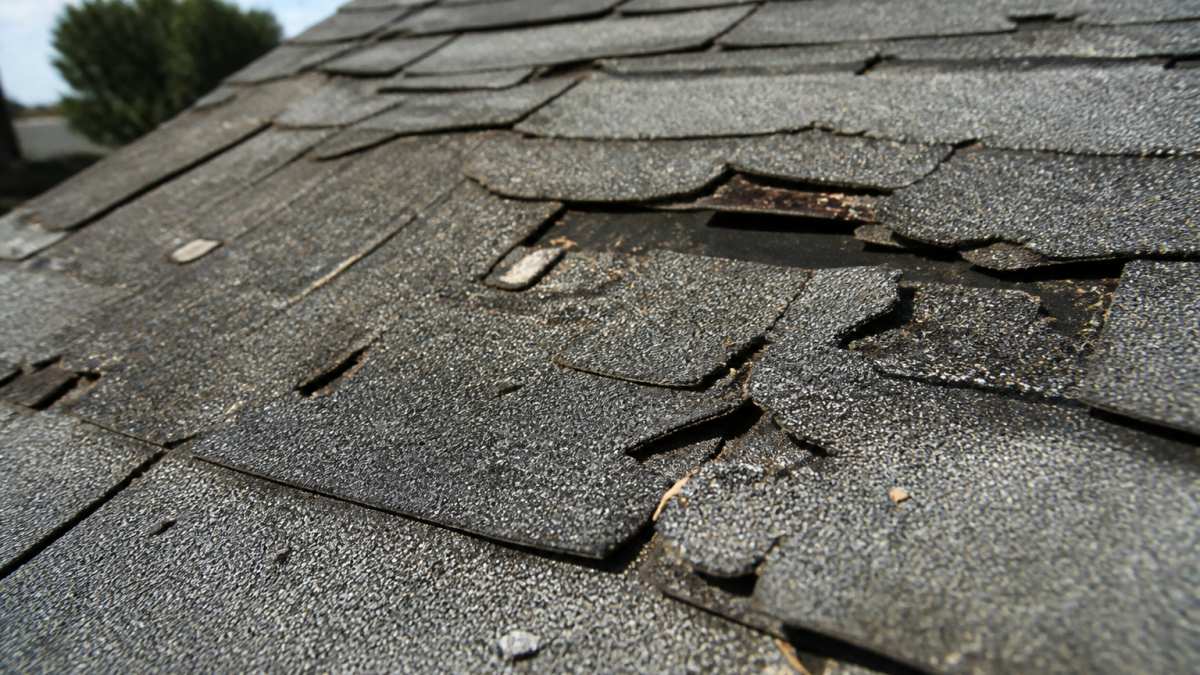
How Roof Condition Affects Home Value and Buyer Perception
Your roof's condition directly influences whether buyers make an offer and whether their lender approves financing. A bad roof can eliminate buyer segments and trigger lender appraisal conditions and insurance underwriting complications.
Buyer Segments and Their Constraints
Cash buyers and investors purchase as-is and factor repair costs into their offer. Traditional buyers with conventional or FHA financing depend on lender approval; if the roof fails appraisal or is deemed a material defect, the lender may require repair or credit before closing. Buyers with homeowners insurance face underwriting denials or premium spikes if the roof exceeds the insurer's age or condition limits, many insurers will not cover roofs older than 20-25 years or with visible damage.
Roof Age and Condition Decision Framework
Use this framework to assess your roof's impact on saleability:
| Roof Age & Condition | Visible Damage | Lender Risk | Insurance Risk | Recommended Path |
|---|---|---|---|---|
| Under 10 years, no damage | None | Low | Low | Sell as-is or minor repair |
| 10-15 years, minor wear | 1-2 missing shingles, minor staining | Low-Moderate | Low | Repair or price reduction |
| 15-20 years, moderate wear | Multiple missing shingles, visible granule loss, minor leaks | Moderate | Moderate | Repair credit or replacement |
| 20-25 years, significant damage | Sagging sections, active leaks, widespread missing shingles | High | High | Replacement or cash buyer |
| Over 25 years, any damage | Structural concerns, interior water damage | Very High | Very High | Replacement required or cash buyer |
Homes with roof issues typically sit 15-30 days longer on market. Offers are lower because buyers build in replacement costs ($8,000-$25,000). The roof problem dominates inspection negotiations, reducing your leverage on other issues. A buyer's insurance company may deny coverage or require replacement before the policy takes effect. A lender's appraisal may come back conditional, adding 1-3 weeks to closing and deterring other offers.
Climate and local market conditions affect replacement cost and buyer expectations. In storm-prone regions, buyers and insurers scrutinize roof condition more closely. Replacement labor costs vary regionally by 20-40% between urban and rural areas, with seasonal swings of 10-20% (spring and summer peak pricing).
Cost to Replace a Roof Before Selling
Roof replacement costs vary by materials, pitch, and local labor rates. Beyond the base cost, you pay for removal, permits, and structural repairs discovered during installation. A replacement takes 2-5 days to install, but scheduling contractors can add weeks. If you replace and then list, you'll carry the property 30-60 days longer, accumulating mortgage, taxes, and insurance costs.
Roof Replacement Return on Investment: Will You Recover the Cost?
The honest answer is rarely, but the real question isn't whether replacement recovers its cost in isolation. It's whether replacement leaves you with more net cash than the alternatives.
Industry data shows roof replacement recovers 60-80% of its cost at sale. If you spend $15,000, expect $9,000-$12,000 back, a $3,000-$6,000 loss. But this ignores the full picture: the cost of a price reduction if you sell as-is, carrying costs while the property sits longer, and the risk of financing or insurance contingencies that delay closing.
Net Proceeds Comparison: Three Scenarios
Here's how to actually compare your options. Use this framework with your specific numbers:
Scenario 1: Replace Roof, Sell Traditionally
- Roof replacement cost: $15,000
- Timeline to closing: 6-8 weeks
- Carrying costs: $2,000-$3,000
- Sale price: Full market value
- Realtor commission (5-6%): $12,000-$14,400
- Closing costs: $1,000-$2,000
- Net proceeds: Market value − $30,500
Scenario 2: Sell As-Is, Price Reduction
- Roof replacement cost: $0
- Timeline to closing: 4-6 weeks
- Carrying costs: $1,500-$2,000
- Sale price: Market value − $18,000
- Realtor commission (5-6%): $10,800-$12,960
- Closing costs: $1,000-$2,000
- Net proceeds: Market value − $31,630
Scenario 3: Offer Repair Credit, Sell Traditionally
- Roof replacement cost: $0
- Repair credit to buyer: $12,000
- Timeline to closing: 4-6 weeks
- Carrying costs: $1,500-$2,000
- Sale price: Market value − $12,000
- Realtor commission (5-6%): $11,280-$12,960
- Closing costs: $1,000-$2,000
- Net proceeds: Market value − $25,870
If your roof is in moderate condition (15-20 years old, minor leaks, a few missing shingles), Scenario 3 (repair credit) typically leaves you with the most cash.
The Hidden Variable: Financing and Insurance Contingencies
One factor often overlooked: if you sell as-is and the buyer's lender or insurer later demands repair as a condition of closing, you may be forced to negotiate a credit or repair anyway, after the deal is already under contract. This creates leverage against you.
Conversely, if you replace the roof and the replacement reveals hidden structural damage (rotted decking, water damage to framing), you become responsible for those repairs. Selling as-is or with a credit shifts that discovery risk to the buyer.
Offering a Roof Repair Credit to Buyer Instead of Replacing
A middle path exists that many sellers overlook: offer the buyer a credit toward roof repair instead of replacing it yourself.
Here's how it works. You price the home accounting for the roof condition. At closing, you provide a credit of $8,000 to $12,000 (or whatever amount you negotiate) that the buyer can use toward repairs after closing. The buyer gets to choose their contractor, their materials, and their timing.
This approach has real advantages. You're not managing a construction project while trying to sell. You avoid the risk of the roof replacement revealing hidden damage that becomes your problem. You maintain flexibility on closing date. The buyer gets to customize the repair, maybe they choose a premium roof material you wouldn't have selected.
The trade-off is that the buyer typically demands a larger credit than the actual repair cost. A $12,000 roof repair might require a $14,000 credit because the buyer wants buffer room for unexpected issues and contractor markups. You're essentially paying for certainty and simplicity.
This works best when your roof has moderate damage, missing shingles, minor leaks, aging but not yet failing. If the roof is actively leaking into the home or has structural issues, buyers won't accept a credit; they'll demand replacement or walk away.
Disclosing Roof Damage When Selling a House
Disclosure laws vary by state, but the principle is consistent: you must disclose known roof damage to potential buyers. Failing to disclose creates legal liability that can follow you long after closing.
When disclosing roof damage, be specific and honest. "Roof needs attention" is vague and raises red flags. "Roof is 18 years old with two missing shingles on the north side and a small leak in the master bedroom during heavy rain" is clear and credible. Buyers can verify your disclosure against the inspection report, so accuracy matters.
Many sellers worry that disclosure kills the deal. It doesn't, it kills deals with buyers who can't afford the repair. The buyers who remain are either cash buyers who factor repair costs into their offer, or traditional buyers whose lender approves the sale despite the roof issue. Those are your real buyers. Hiding the problem just delays the discovery and creates resentment.
Document everything. Keep photos of the damage, repair estimates, and any inspection reports. If you've had temporary repairs done, document those too. Clear documentation shows you've been transparent and responsible, which protects you if questions arise later.
The Fast Alternative: Selling Your Home As-Is to a Cash Buyer
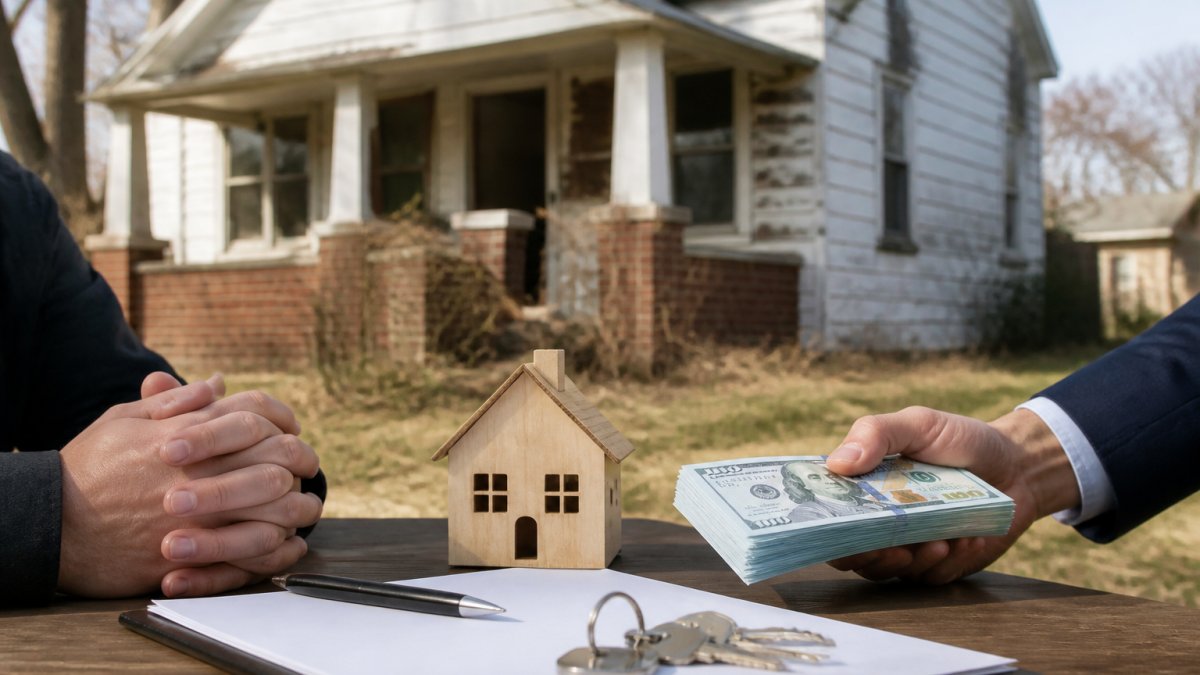
If timeline matters more than maximizing sale price, selling as-is to a cash buyer eliminates the roof decision entirely.
A cash buyer purchases the property in its current condition without requiring repairs, inspections, or lender approval. They handle the roof problem themselves after closing. You get a fair offer within 24 hours, close in as little as 7 days, and walk away without managing contractors or negotiations.
This approach makes sense if you're facing time pressure, an inherited property you need to liquidate, a foreclosure timeline, a relocation deadline, or a rental property with problem tenants. The speed and certainty outweigh the slightly lower sale price compared to a traditional listing.
OneRoof Real Estate buys homes in any condition, including those with bad roofs, foundation issues, or code violations. We cover all closing costs and commissions, so you see the full offer amount. We also handle property clean-out and can connect you with local resources like movers and attorneys if you need them. Most importantly, you choose the closing date.
| Option | Timeline | Best For | Trade-Off |
|---|---|---|---|
| Replace roof, list traditionally | 4-8 weeks | Maximizing sale price | High upfront cost, extended timeline |
| Sell as-is, reduce price | 3-6 weeks | Moderate roof damage | Lower sale price, buyer negotiation |
| Offer repair credit | 3-6 weeks | Minor damage, avoiding construction | Larger credit than repair cost |
| Sell to cash buyer as-is | 7-14 days | Time-sensitive situations | Lower offer than traditional sale |
The decision between replacing a roof and selling as-is comes down to your specific situation: the roof's actual condition, your timeline, and whether the replacement cost pencils out financially. Get started with OneRoof Real Estate and sell your home without the burden of repairs or months of waiting.
Frequently Asked Questions
Should I replace my roof before selling a house with a bad roof?
It depends on your roof's age, the extent of damage, and your timeline. If your roof is nearing the end of its useful life or has structural damage, replacement may be necessary for mortgage approval and insurance. However, you won't recover the full cost in resale value. Selling as-is to a cash buyer often makes financial sense if the replacement cost exceeds 5-10% of your home's value. Consider your local market, buyer pool, and whether lender requirements will force the issue anyway.
Can I sell a house with a bad roof?
Yes, you can sell a house with a bad roof, but it comes with challenges. Traditional buyers may walk away or demand significant price reductions. Most mortgage lenders require roof inspections and will deny financing if the roof fails inspection or is near the end of its useful life. Disclosure is mandatory in most states. Cash buyers, however, purchase homes in any condition without requiring roof repairs or inspections, making this option viable for sellers facing a bad roof.
How much of my roof replacement cost will I recover when I sell?
Roof replacement typically returns 40-60% of its cost in added home value, depending on your market and the roof's age. A $15,000 replacement might add $6,000-$9,000 to your sale price. If your roof is already middle-aged or the damage is cosmetic, the return is even lower. This is why many sellers choose to offer a repair credit to buyers instead, or sell as-is to a cash buyer who doesn't require repairs. Always compare the replacement cost against the price reduction you'd face if listing traditionally.
What happens if I don't disclose roof damage when selling?
Failing to disclose roof damage is illegal in all states and exposes you to significant liability. Buyers can sue for damages, rescind the sale, or file complaints with state real estate boards. Disclosure protects you legally and often leads to smoother negotiations. Most buyers discover roof issues during inspection anyway. Being upfront about damage allows you to negotiate repair credits, price reductions, or seller concessions rather than facing litigation after closing.
Can a buyer get a mortgage if the roof is bad?
Most mortgage lenders require the roof to be in acceptable condition or near the beginning of its useful life. If the roof fails inspection or is too old, the lender will deny financing until repairs are made or the roof is replaced. This severely limits your buyer pool to all-cash purchasers. If you need to sell quickly or want to avoid roof replacement, selling to a cash buyer eliminates this barrier entirely, as they don't require lender approval or roof inspections.