 how-to
7 Steps in the Divorce Real Estate Appraisal Process
Last Updated: November 1, 2026
Quick Summary
The divorce real estate appraisal process in Kansas typically costs $400 to $600 and takes 2 to 4 weeks, starting with agreeing on a valuation date before anyone inspects the home. You then gather documents, hire a licensed appraiser with a joint engagement letter, complete the inspection, review comparable sales, check the report, and calculate the buyout.
- Kansas assesses property as of January 1 each year, but county values are set for taxation, not property division.
- A joint engagement letter naming both spouses is the best defense against bias claims.
- A 2026 county market study reports residential values rose between 0% and 12% across market areas during 2025.
- Check the valuation date first, since a report dated to the wrong moment is the most expensive error.
- A $300,000 appraisal minus a $180,000 mortgage leaves $120,000 in equity, so a 50/50 split means a $60,000 buyout.
Table of Contents
- How the Divorce Real Estate Appraisal Process Works in Kansas
- Step 1: Agree on the Valuation Date Before Anyone Inspects
- Step 2: Build Your Divorce Appraisal Checklist
- Step 3: Hire a Licensed Appraiser and Set the Scope
- Step 4: The Property Inspection and Condition Assessment
- Step 5: Comparable Sales and Market Analysis
- Step 6: Read the Appraisal Report Before Your Attorney Does
- Step 7: Handle a Divorce Home Buyout Calculation
- Frequently Asked Questions
How the Divorce Real Estate Appraisal Process Works in Kansas
A Kansas divorce-property guide puts a typical professional appraisal at $400 to $600, with a 2 to 4 week turnaround (divorce property guide for Kansas). That price and timeline matter because a house is usually the largest asset in a Kansas divorce, and its value decides the split. This guide from OneRoof Real Estate walks you through the divorce real estate appraisal process in Kansas step by step, from picking a valuation date to calculating a buyout. Below, we'll show you exactly how each step works, what it costs, and where spouses most often disagree.
What a Divorce Appraisal Is (and Is Not)
A divorce appraisal is a written, independent opinion of a home's fair market value, prepared by a licensed appraiser for use in property division. Establishing this objective valuation provides the necessary foundation for navigating the complexities of divorce property division while prioritizing the long-term stability of children involved in the transition.
Kansas assesses property as of January 1 each year, and most property is valued at fair market value (county valuation process). County appraisers set values for taxation, not to divide marital property. A divorce appraisal serves a different purpose: it gives the court and both attorneys one number to argue from.
Step 1: Agree on the Valuation Date Before Anyone Inspects
The valuation date is the moment in time the appraiser values the home. Set it before you hire anyone, because every later number depends on it.
Most Kansas couples use the filing date or the date of separation. Some use the date of trial. A retrospective appraisal looks backward to a past date, which helps when one spouse moved out months ago.
Step 2: Build Your Divorce Appraisal Checklist
A complete divorce appraisal checklist saves weeks. Appraisers work faster when documents are ready on day one.
Documents the Appraiser Will Ask For
- Deed and legal description
- Mortgage statement with current balance
- Homeowner's insurance policy
Gather these before the appraiser calls. Missing paperwork is the most common cause of a delayed home appraisal timeline for divorce.
Step 3: Hire a Licensed Appraiser and Set the Scope
Hiring is where most divorcing homeowners lose time and money. The goal is a credentialed, neutral appraiser whose report will survive an attorney's review and, if necessary, a judge's scrutiny.
Verify the Credential Before You Call
Before you exchange a single document, confirm that any appraiser you consider holds a current credential and check the license status with the appropriate state regulatory agency.
Ask three questions on the first call:
- Do you accept divorce assignments, and how many have you completed? Court-facing work is different from lender work; the report has to anticipate cross-examination.
- Will you sign a joint engagement letter naming both spouses? A joint engagement is the single best defense against a later claim that the appraiser was biased toward the spouse who hired them.
- What is your fee, and what does it include? Ask for a written fee quote that covers the scope of the assignment. Get the fee and the expected delivery date in writing.
Who Pays, and How
There is no rule that the spouse who orders the appraisal pays for it. Three arrangements are common:
- Split 50/50 from marital funds. Cleanest when the parties are cooperating, because neither side can argue the appraiser was bought.
- One spouse pays and the cost is credited at settlement. The paying spouse gets reimbursed from the property division or the sale proceeds.
- Court orders the appraisal and allocates the cost. Used when the parties cannot agree; the judge decides who bears the fee.
Whichever you choose, put it in the engagement letter. An appraiser who knows both spouses are clients is less likely to be accused of advocacy.
Set the Scope in Writing
The engagement letter should lock down five terms:
- Purpose: property division in a dissolution proceeding, not a refinance, not a listing, not an estate valuation.
- Value type: fair market value, defined as the price a willing buyer would pay a willing seller, neither under duress.
- Effective date: the valuation date you agreed on in Step 1. A retrospective assignment must state the past date explicitly.
A certified appraiser who understands legal proceedings produces a report your attorney can defend.
If your spouse refuses to cooperate on selecting an appraiser, ask your attorney about a motion to compel a joint appraisal or a court-appointed expert. A neutral third appraiser ordered by the court carries more weight than two dueling reports.
Step 4: The Property Inspection and Condition Assessment
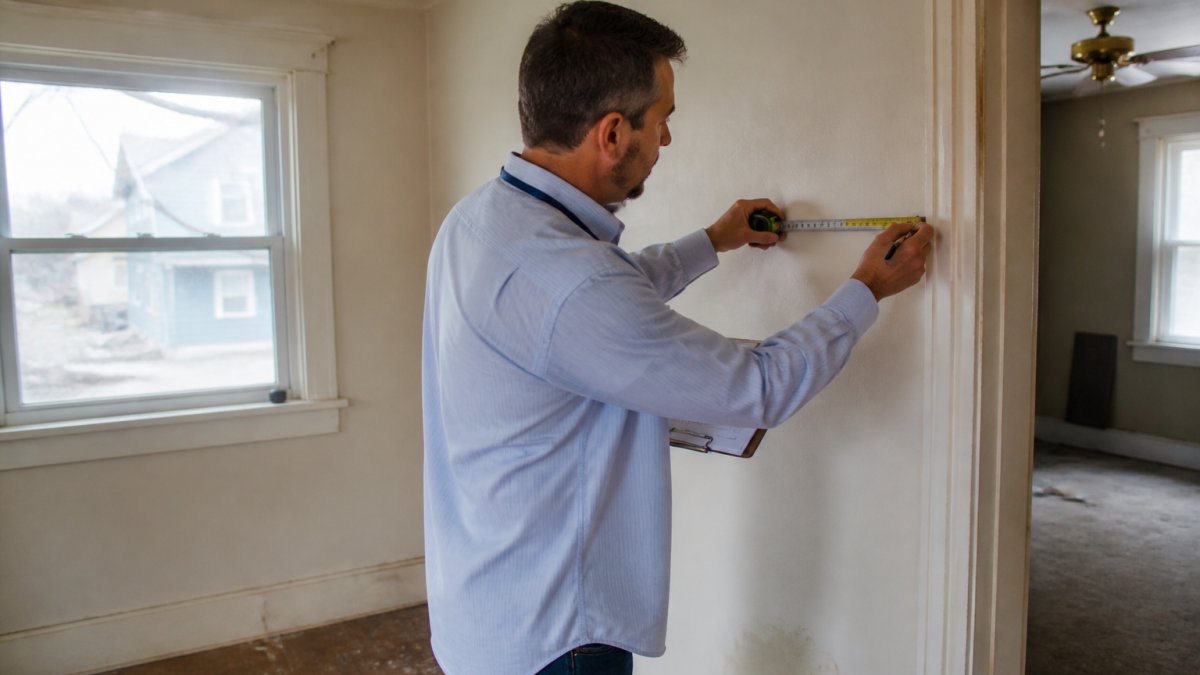
The property inspection is where the number gets real. The appraiser measures rooms, photographs the interior, and notes the home's condition assessment: roof age, HVAC, foundation, water damage, and code issues.
Condition drives value. If a sale is likely, our guide to preparing your house for sale during divorce covers what to fix and what to leave.
Step 5: Comparable Sales and Market Analysis
The appraiser builds a market analysis from recent comparable sales: similar homes, same area, sold close to the valuation date. They adjust for size, age, lot, and condition.
Local values swing. A 2026 county market study reports residential values rose between 0% and 12% across market areas during 2025 (county market study analysis). That range shows why a stale Zillow estimate is not a substitute for a dated appraisal.
Step 6: Read the Appraisal Report Before Your Attorney Does
The appraisal report is a written document with the value opinion, the comparables used, photos, and the appraiser's reasoning. Read it before your attorney does, because you know the house and the attorney does not. Your job is to catch factual errors; the attorney's job is to catch legal ones.
A Five-Point Review Checklist
Run these checks the day the report lands:
- Valuation date. Does the effective date match the date you agreed on? A report dated to the wrong moment is the most common and most expensive error in a divorce appraisal.
- Square footage and room count. Compare against the deed, the tax record, and your own knowledge. Appraisers sometimes rely on county data that is stale or wrong.
- Comparables. Are the three to six sales truly similar, same subdivision, similar age, similar lot, sold close to the valuation date? A comparable from a different school district or a new-construction subdivision can distort the number.
- Adjustments. Did the appraiser explain why they added or subtracted value for a difference in size, condition, or features? Unexplained adjustments are the easiest thing to challenge.
- Condition and deferred maintenance. Did the report note the roof, HVAC, foundation, and any water damage you know about? A report that misses known defects is vulnerable.
Flag anything wrong in writing within days, most engagement letters set a short window for corrections before the report is treated as final.
The Valuation-Date Problem
Most appraisal disputes are not about the house; they are about the date. A report that values the home as of today may be the wrong number if the legally relevant date is the filing date, the separation date, or the trial date. If the market moved between those dates, the difference can be tens of thousands of dollars. Ask your attorney which date the court is likely to use, and if the answer is a past date, order a retrospective appraisal rather than arguing about a current one.
When Spouses Hold Conflicting Appraisals
Two appraisals, two numbers, one house. This is normal, and it is winnable. Work through these options in order:
- Compare assumptions first. Put the two reports side by side and check the valuation date, the comparables, and the adjustments. Often the gap shrinks once both sides see the same facts.
- Jointly select one appraiser. If the parties have not yet ordered reports, agree on a single neutral appraiser and split the fee. One report both sides helped choose is harder to attack.
- Order a third neutral appraisal or a court-appointed expert. When the gap is large and the parties cannot agree, a judge can appoint an expert whose opinion carries weight.
An appraisal disagreement is normal; a documented one is winnable. Keep every report, every correction request, and every email in one file, your attorney will need them if the dispute goes to a hearing.
Do not ask an appraiser to revise a number to match what you want. A report that changes under pressure loses credibility, and opposing counsel will find the paper trail. Corrections are for factual errors, not for negotiating the value.
Step 7: Handle a Divorce Home Buyout Calculation
The divorce home buyout calculation turns the appraisal into a dollar figure. Start with the appraised value, subtract the mortgage balance, then split the home equity. One spouse pays the other their share and keeps the house.
Example: a $300,000 appraisal minus a $180,000 mortgage leaves $120,000 in equity. From there, run the net proceeds math with our net proceeds calculator guide, and check the tax rules in our guide to divorce home sale capital gains tax in Kansas. If you want to keep the home, our article on buying out your spouse's share of the house in Kansas walks through the paperwork. Mortgage handling is covered in our guide to mortgage payments during a Kansas divorce.
| Step | What Happens | Typical Time |
|---|---|---|
| 1 | Set the valuation date | 1-3 days |
| 2 | Gather documents | 1-2 weeks |
| 3 | Hire the appraiser | 3-7 days |
| 4 | Property inspection | 1-3 hours |
| 5 | Comparable sales analysis | 1-2 weeks |
| 6 | Report review | 2-4 weeks total |
| 7 | Buyout calculation | 1-2 days |
When a sale makes more sense than a buyout, a cash buyer can close fast and skip repairs. OneRoof Real Estate buys homes as-is in the Wichita area, with all-cash offers within 24 hours and closings typically in 7 days, and we cover commissions and closing costs.
Frequently Asked Questions
How much does a home appraisal cost during a Kansas divorce?
Appraisal fees vary with the size and type of property, so ask the appraiser for a flat quote in writing. Ask the appraiser for a flat quote in writing and confirm who pays, since courts often split the fee or charge it against the marital estate. Get the scope, the valuation date, and the delivery date in the same document.
Can both spouses use one appraiser, or should each hire their own?
One joint appraiser is cheaper and usually faster, and courts tend to prefer a single neutral number over dueling reports. The risk is that whichever spouse dislikes the figure will argue the appraiser was biased. Many Kansas attorneys recommend a joint engagement letter naming both spouses and the intended use, with a copy sent to both attorneys. If trust is gone, each side hires its own licensed appraiser and the two reports get reconciled, which doubles the cost and adds weeks.
What date should the appraiser use to value the house?
Kansas property is valued annually as of January 1 for tax purposes, but a divorce appraisal uses the date the court or the spouses specify, which is often the separation date or the filing date. That date matters because local residential values can shift meaningfully within a single year. If the divorce drags on, a retrospective appraisal pinned to an earlier date can prevent one spouse from claiming all the appreciation.
What if my spouse and I disagree with the appraisal?
First, read the report for factual errors: wrong square footage, missed updates, or comps from the wrong neighborhood. A documented correction request to the appraiser is free and sometimes works. If the disagreement is about value rather than facts, your attorney can request a second appraisal or a review appraisal, or the court can order one. Keep the timeline in mind: a second report typically adds another 2 to 4 weeks and another $400 to $600.
Dividing a home in a divorce is stressful enough without a slow sale dragging it out. If you and your spouse decide to sell instead of buy out, OneRoof Real Estate makes the exit simple: we buy in any condition as-is, let you choose the closing date, and provide clean-out services so you don't haul a thing. Get started with OneRoof Real Estate and turn the house into proceeds you can split.