 how-to
Fast Cash Offers for Damaged Wichita Properties
Table of Contents
- How Cash Home Buyers Work for Damaged Properties
- Selling Your House As-Is Without Repairs or Renovations
- Cash Offer for Storm-Damaged Houses: What Buyers Will Accept
- Cash Offer Closing Timeline: From Offer to Keys
- Compare Cash Home Offers: What to Look For
- No Agent Commissions, No Hidden Fees
- When a Cash Offer Is the Right Choice
- Frequently Asked Questions
Last Updated: October 13, 2026
How Cash Home Buyers Work for Damaged Properties
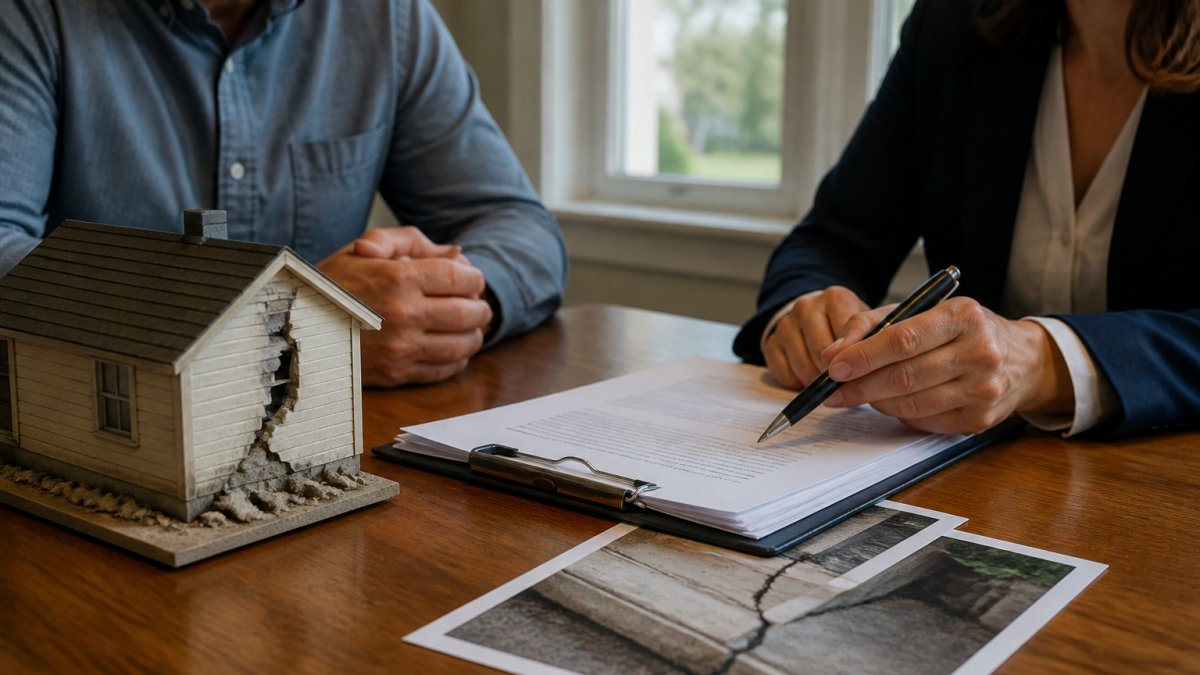
Cash home buyers provide fast cash offers for damaged Wichita properties, purchasing them directly from sellers without repairs, inspections, or traditional financing. At OneRoof Real Estate, we've closed on nearly 300 properties across the Wichita area, specializing in houses in any condition, foundation damage, code violations, inherited estates.
The key difference between a cash buyer and a traditional listing is speed and certainty.
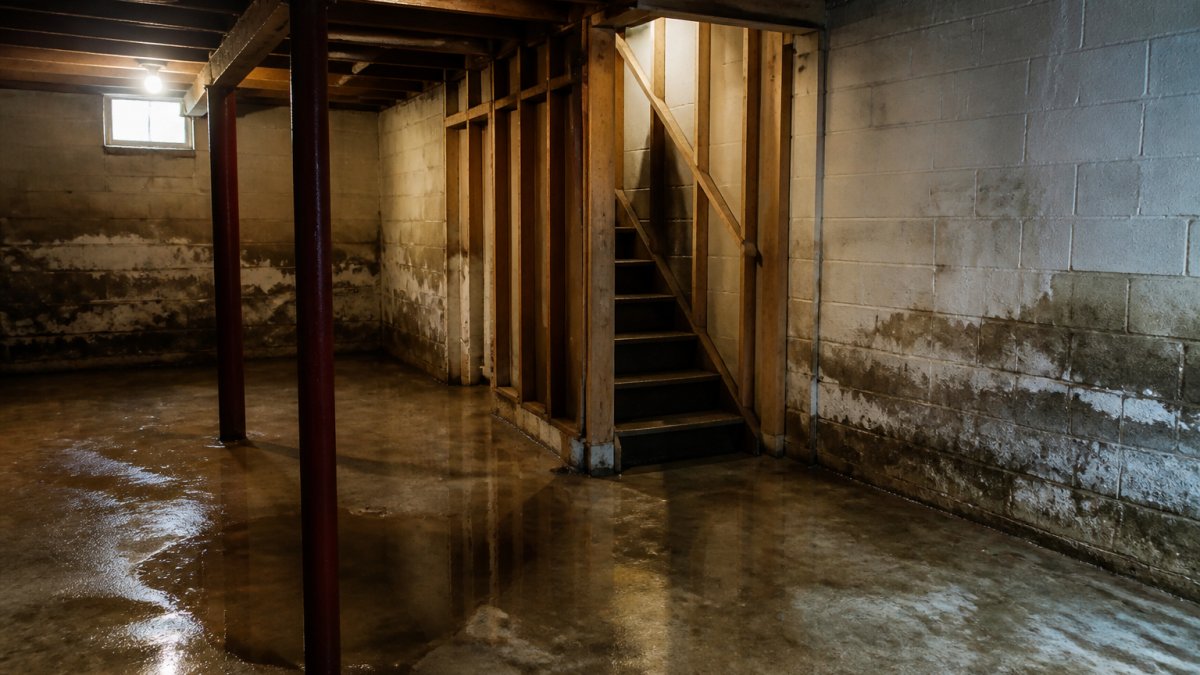
For homeowners seeking fast cash offers for damaged Wichita properties, this matters. If your house has foundation cracks, water damage, or failed inspections, traditional buyers will back out or demand a steep discount.
Selling Your House As-Is Without Repairs or Renovations
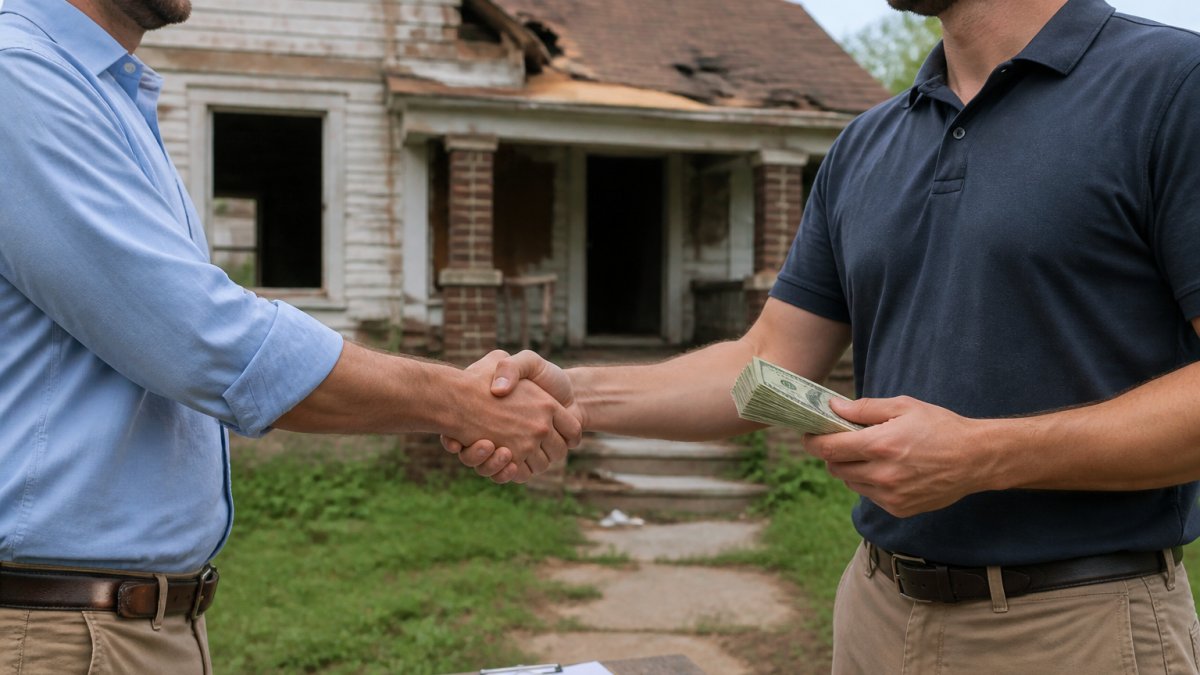
Selling a house as-is means transferring it in its current condition. You don't fix the roof, replace flooring, repaint, or clean. The buyer accepts the house as it stands on closing day.
Won't the buyer demand a lower price? Possibly, but that's already factored in.
The as-is sale removes a massive burden: no coordinating contractors, no waiting on repairs, no investing thousands hoping to raise the sale price.
Cash Offer for Storm-Damaged Houses: What Buyers Will Accept
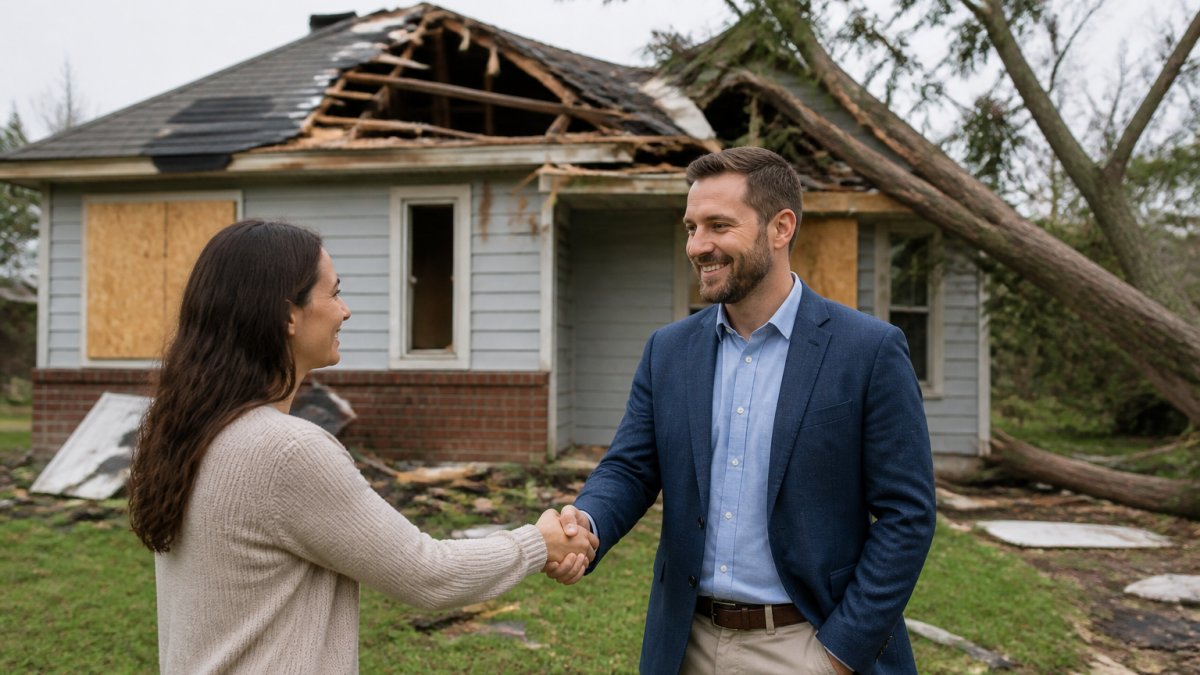
Storm damage is one of the most common reasons homeowners reach out to cash buyers. Hail, wind, flooding, or fire can make a property hard to insure and nearly impossible to finance traditionally.
A cash buyer evaluates storm-damaged properties on repair cost and post-repair value.
What makes a cash offer attractive for storm-damaged homes is certainty. Traditional buyers often walk away once they see the damage report, or renegotiate aggressively.
Cash Offer Closing Timeline: From Offer to Keys
The speed of a cash sale is one of its biggest advantages. The typical timeline with a cash buyer like OneRoof Real Estate:
- Day 1: You contact us and provide property details
- Day 1-2: We schedule a property visit and assess the condition
- Day 2: We provide a fair cash offer (typically within 24 hours)
Most cash sales close in 7 days; some in 3-5 if you're ready to move quickly. A traditional sale averages 30-45 days from offer to closing, often 60+ days from listing to closing.
The speed is possible because there's no mortgage approval, no appraisal contingency, and no inspection contingency. We've already evaluated the property and decided to buy it, so closing is a formality.
Compare Cash Home Offers: What to Look For
Not all cash offers are built the same, and the differences rarely show up in the headline number.
Here's a due-diligence checklist to run against any cash buyer before you sign.
**1.
2. The purchase agreement itself. Read it before you sign. Three clauses matter most:
- Assignment clause. If the contract allows the buyer to assign it to a third party, you may be negotiating with a wholesaler who never intends to close, they plan to sell your contract to another investor for a fee that comes out of what you could have received. Ask directly: "Will you be the buyer on the deed, or will you assign this contract?"
- Inspection or feasibility period. Some cash buyers include a 10-14 day "due diligence" window that lets them walk away or renegotiate after the offer is accepted. That is not a firm cash offer, it's a contingent one dressed up as cash.
- Cancellation terms. What happens if the buyer backs out? Do you keep the earnest money, or is it refundable? A serious buyer puts down non-refundable earnest money once contingencies clear.
**3.
**4.
5. Who pays title and closing. Either the buyer or seller covers title insurance, escrow fees, and recording costs.
**6.
7. Timeline in writing. "We can close in 7 days" means nothing if the contract says 30.
| What to Verify | How to Verify It | Red Flag If... |
|---|---|---|
| Proof of funds | Bank statement or lender letter | Buyer refuses or delays |
| Assignment clause | Read the contract | Contract permits assignment without your written consent |
| Earnest money | Deposit amount in contract | $0 or fully refundable |
| Net proceeds | Written net sheet | Buyer won't itemize deductions |
| Closing date | Written into agreement | Only promised verbally |
| Local track record | Title company + references | Can't name a local title company |
The bottom line: compare offers on net proceeds and certainty, not the biggest headline number. A slightly lower offer with no assignment clause, non-refundable earnest money, and a firm closing date is often worth more than a higher offer full of escape hatches.
No Agent Commissions, No Hidden Fees
Selling traditionally means paying an agent commission, typically 5-6% of the sale price, on a $200,000 house, $10,000-$12,000 going to the agent instead of you, plus closing costs, title fees, and other expenses totaling another $3,000-$5,000.
A cash buyer covers all of these. OneRoof Real Estate pays the title company, the closing attorney, and all other closing costs. No agent check, no commission negotiation, you receive the full offer amount in cash.
This is one of the biggest financial advantages of a cash buyer.
When a Cash Offer Is the Right Choice
A cash offer isn't automatically the best outcome, it's ideal for some sellers and a costly shortcut for others. Decide by comparing what you'd actually net and how much certainty you're buying with the discount.
How a cash offer is actually calculated
Understanding the math is the fastest way to judge whether an offer is fair. Most cash buyers work backward from the after-repair value (ARV), what the house would sell for once fully repaired and market-ready:
Offer = ARV − repair costs − holding costs − buyer margin
Example: a house in disrepair would sell for $200,000 fixed up. It needs a new roof, HVAC replacement, and interior work estimated at $40,000.
That produces an offer around $122,000-$132,000. It feels low against the $200,000 ARV, but it reflects the repair bill, time, and risk the buyer absorbs. Ask each buyer to walk you through their ARV, repair estimate, holding assumptions, and margin, a buyer who won't explain the math is asking you to trust a black box.
The real trade-off: speed and certainty vs. proceeds
A cash sale typically nets less than a traditional listing because the buyer prices in repairs, time, and risk. The question is whether the discount is worth what you get back:
- Certainty. No financing contingency, no appraisal, no inspection renegotiation. The offer you accept is the offer you close on.
- Speed. Days instead of months, which matters if you're paying taxes, insurance, or a mortgage on a vacant property.
- No repair outlay. You don't front the money for a roof or foundation work and hope to recoup it.
Alternatives worth weighing
List traditionally as-is. You can list a damaged home without repairing it, disclosing the condition and pricing accordingly. You may attract an investor or a handy buyer.
Do limited repairs, then list. Sometimes a modest investment, a new roof, mold remediation, or clearing code violations, unlocks a much higher sale price and a wider pool of buyers.
Sell to an iBuyer. Some national iBuyers operate in select markets, but they generally require the home to meet condition standards and may not purchase heavily damaged properties at all.
| Path | Typical Speed | Repairs Needed | Proceeds | Certainty |
|---|---|---|---|---|
| Cash offer | Days | None | Lower | High |
| List as-is | Weeks to months | None | Variable | Low |
| Repair then list | Months | Yes | Higher | Medium |
| iBuyer | Weeks | Condition standards apply | Medium | Medium |
Situations where a cash offer usually wins
- The house needs major repairs (foundation, roof, electrical, plumbing, mold) that you can't or don't want to fund.
- The property is inherited, vacant, or out of state, and managing repairs remotely isn't realistic.
- You're facing foreclosure, delinquent taxes, or a lien and need to close before a deadline.
- The property is tied up in probate or a divorce and you need a clean, fast resolution.
Situations where listing usually wins
- The house is in good or move-in-ready condition.
- The local market is strong and buyer demand is high.
- You have time to wait for the right buyer.
- You can afford limited repairs that would meaningfully raise the sale price.
For homeowners dealing with damaged properties, the decision usually comes down to how much certainty and speed are worth to you. If you can fund repairs and wait months for a top-dollar sale, listing may net more. If you can't, or don't want to, a cash offer converts a stressful, uncertain property into a known outcome on a known date.
Frequently Asked Questions
Can I sell a house with damage without making repairs?
Yes. Cash home buyers purchase properties in any condition as-is, including homes with foundation issues, water damage, fire damage, code violations, and structural problems. You do not need to repair, clean, or prepare the property. The buyer accepts full responsibility for all damage and makes an offer based on the property's current state. This eliminates the cost and time burden of repairs before sale.
How quickly can I get a cash offer for a damaged property?
Most cash buyers provide a free, no-obligation offer within 24 hours of your initial contact. The cash offer closing timeline typically runs 7 days from accepted offer to closing, though you choose the exact closing date. This speed is possible because cash buyers skip the traditional financing process, appraisals, and inspections that slow down conventional sales. Fast closing is especially valuable for inherited properties, pre-foreclosure situations, or rental units with problem tenants.
How do I compare cash home offers to make sure I'm getting a fair deal?
When you compare cash home offers, request written offers from multiple buyers showing the exact cash amount, closing timeline, and what costs they cover. Ask whether they cover all closing costs, title fees, and commissions, or if you pay those separately. Verify the buyer has completed sales in your area. Check reviews and ask for local references. A fair cash offer accounts for the property's condition, local market value, and repair costs the buyer will incur after purchase. Do not assume a lower offer is unfair if the buyer covers all costs and closes faster.
What types of damage will cash home buyers actually accept?
Cash buyers accept properties with foundation cracks, water damage, fire damage, mold, code violations, missing utilities, hoarder situations, and extensive structural damage. They also purchase outdated homes, rental properties with problem tenants, and inherited estates in any condition. The property condition does not disqualify you from a cash offer. The buyer's offer reflects the damage and repair costs they will assume, but they will still close on the property as-is without requiring you to fix anything before sale.