 how-to
Foundation Repair Disclosure in Kansas: Legal Requirements
Table of Contents
- Kansas Seller Disclosure Law and Foundation Repairs
- Kansas Seller Disclosure Form and Foundation Problems
- Disclosing Past Foundation Repairs to Home Buyers
- Foundation Damage Disclosure When Selling a House
- Consequences of Failing to Disclose Foundation Problems
- Role-Specific Disclosure Duties: Sellers, Agents, Landlords, and Builders
- What Happens When Foundation Damage Is Discovered Before or After Closing
- Frequently Asked Questions
Last Updated: October 8, 2026
Kansas Seller Disclosure Law and Foundation Repairs
Kansas law requires sellers to disclose known defects, and foundation repair disclosure Kansas regulations are particularly strict for structural issues.
Kansas disclosure requirements stem from buyers' right to know about material defects before closing.
Cracks, settling, water damage, and previous repairs all require disclosure. Failing to disclose can result in lawsuits, rescission, or damage awards.
Even repairs completed years ago must be disclosed if you knew about them.
Kansas Seller Disclosure Form and Foundation Problems
What the Form Requires
Kansas uses a standardized Real Estate Condition Report (the Residential Property Condition Disclosure).
The form asks specific questions about the property's condition:
- Has the foundation ever been repaired or inspected?
- Are there visible cracks in walls or floors?
- Has water ever entered the basement or crawlspace?
Answer "yes" or "no" to each question; a "yes" requires describing the problem and repairs. Blank or dishonest answers violate Kansas law.
If you had foundation work done, the form requires the date, contractor, and scope. Omitting this is a material omission, even if you think the repair solved the problem.
Timing and Delivery of the Disclosure
Kansas law requires you to deliver the Real Estate Condition Report before the buyer makes an offer or, at minimum, before closing. The practical timeline:
- Before listing: Complete the form accurately
- During showing: Provide the form to agents and interested buyers
- Before offer: Buyer should receive the form before submitting an offer
If you don't provide the form on time, you may lose certain defenses in a later dispute. Keep a signed copy showing when and to whom you delivered it.
Disclosing Past Foundation Repairs to Home Buyers
Documentation You Must Provide
If you've had foundation repairs completed, you must disclose them with written evidence, saying "we fixed it years ago" isn't enough.
Gather these documents:
- Contractor invoices and receipts showing what work was done
- Repair permits issued by local code enforcement
- Inspection reports from before and after the repair
Provide copies to the buyer. If paperwork is lost, explain that in writing, honesty beats guessing or omitting the repair.
Completed Versus Recommended Repairs
There's a critical distinction between completed repairs and repairs you were told to make but didn't.
Completed repairs must be disclosed with documentation: what was wrong, who fixed it, when, and at what cost.
Recommended repairs you never completed also must be disclosed.
Many sellers think "if I didn't fix it, I don't have to mention it." That's wrong, a buyer has a right to know a professional recommended foundation work.
Foundation Damage Disclosure When Selling a House
Visible Signs That Trigger Disclosure
You must disclose any visible signs of foundation problems, even without a formal inspection, visible damage is actual knowledge.
Common visible signs include:
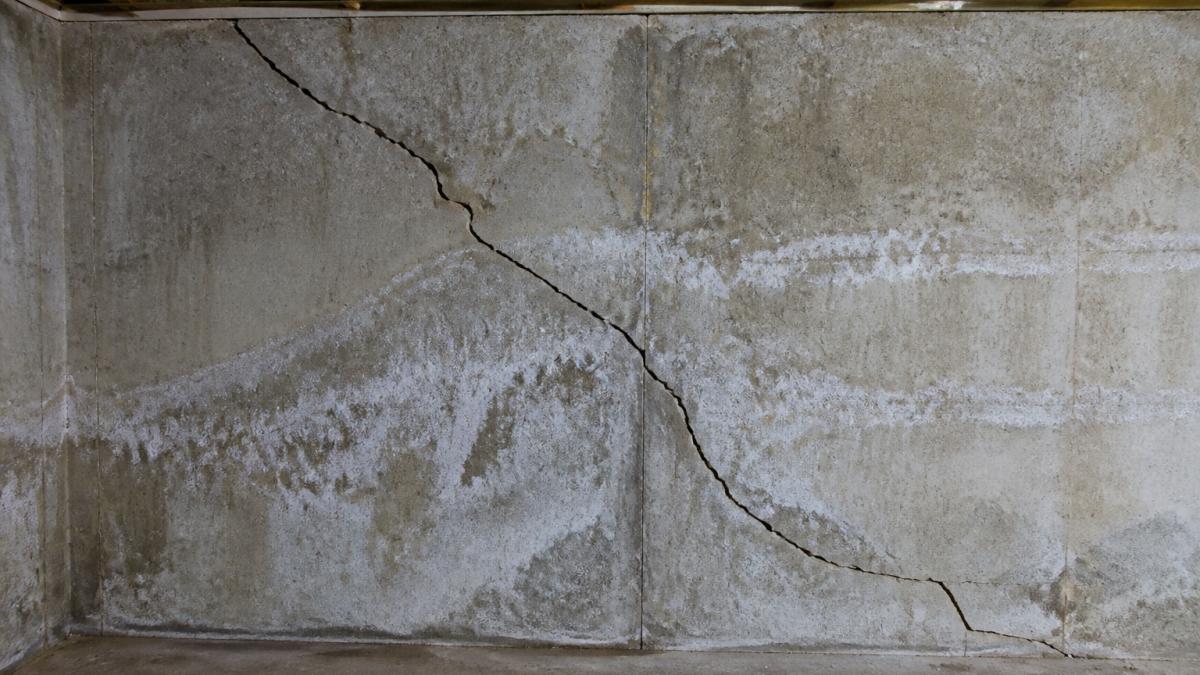
- Cracks in the foundation (vertical, horizontal, or stair-step patterns)
- Uneven or sloping floors inside the home
- Gaps between walls and the foundation
If you see any of these, you must disclose them. Pretending you didn't notice doesn't protect you.
Knowledge Standards and Exceptions
Kansas law requires disclosure of defects you actually know about. You need not hire an inspector, but if you've seen a problem, been told about it, or had it repaired, you must disclose it.
Exceptions exist for:
- Defects that are readily observable by the buyer or their inspector (though you should still disclose them)
- Defects that occurred after you vacated the property (if you can prove you didn't know)
- Defects the buyer explicitly waives in writing
Some sellers believe a buyer's inspection waiver eliminates disclosure. That's false, waiving an inspection doesn't waive your disclosure duty. If you're unsure whether something counts as a defect, disclose it anyway.
Consequences of Failing to Disclose Foundation Problems
Failing to disclose known foundation defects can result in serious legal and financial consequences.
A buyer can sue you for:
- Rescission of the sale (the buyer gets their money back and you take the house back)
- Damages equal to the cost of repairs
- Consequential damages (costs the buyer incurred because of the undisclosed defect)
Kansas courts have consistently held that sellers who fail to disclose material defects are liable to buyers, and damages can exceed the purchase price if repairs are extensive.
Your homeowner's insurance typically won't cover liability for undisclosed defects, so you'll pay any judgment yourself. Full disclosure upfront is far cheaper than litigation later.
Role-Specific Disclosure Duties: Sellers, Agents, Landlords, and Builders
Kansas law, federal law, and professional regulation create different obligations for sellers, agents, landlords, and builders, and getting the role wrong is a common source of post-closing disputes.
Seller Responsibilities
The seller carries the primary disclosure duty. Under the Kansas Residential Real Property Seller Disclosure Act (K.S.A. 58-3061 et seq.), foundation repair disclosure Kansas requirements mandate that a seller must deliver a written disclosure statement, commonly the Real Estate Condition Report, before the buyer makes an offer, or if no offer has been made, before closing.
Your core duties include:
- Completing every question on the Real Estate Condition Report truthfully, including the foundation, basement, crawlspace, and structural items
- Delivering the report to the buyer or the buyer's agent within the statutory timeframe
- Updating the report if you learn of a new material defect before closing
The Act has statutory exemptions: transfers by court order, foreclosure sales, transfers between co-owners, and certain builder-handled new-construction sales may fall outside it. If you're unsure whether your transaction is covered, treat it as covered and disclose anyway.
Real Estate Agent Obligations
A Kansas licensee owes duties under the Kansas Real Estate Brokers' and Salespersons' License Act (K.S.A. 58-3034 et seq.) and Kansas Real Estate Commission regulations, including disclosure of material facts the licensee actually knows.
Agents are also prohibited from making substantial misrepresentations. A listing agent who markets a home as "solid foundation" while knowing about an unrepaired structural report faces disciplinary action by the Kansas Real Estate Commission, civil liability, and potential loss of license.
Landlord Obligations for Rental Properties
Landlords are governed by a different framework. Kansas follows caveat lessee with limited statutory exceptions, and the primary duty is to maintain habitable premises and comply with housing, building, and safety codes.
A Kansas landlord need not hand a tenant a Real Estate Condition Report, but one who rents a unit with a known serious foundation problem, or misrepresents the condition, can face claims for breach of the implied warranty of habitability, constructive eviction, rent abatement, and sometimes fraud.
Builder and New-Construction Duties
Builders selling new homes are held to the standards of their trade, and Kansas courts have recognized implied warranties in new-home sales, including workmanlike construction and habitability. A builder who knows, or should have known, about a foundation defect cannot rely on the seller disclosure exemptions.
Many builders also provide express written structural warranties for a defined number of years. These are separate from the statutory disclosure duty, and failing to honor them can support a breach-of-warranty claim.
Kansas Real Estate Commission licensee duties and disciplinary process
Kansas Residential Real Property Seller Disclosure Act text
What Happens When Foundation Damage Is Discovered Before or After Closing
What matters is the sequence of steps each party should take, what the contract allows, and how Kansas law treats each legal theory, and the path differs depending on whether the problem surfaces before closing, during the inspection period, or months after the deed records.
If Foundation Damage Is Discovered Before Closing
The purchase contract controls most of what happens next. In a typical Kansas contract, the buyer has a negotiated inspection period, often 10 to 15 days, to hire a licensed home inspector, structural engineer, or foundation contractor. If a foundation problem surfaces, the buyer generally has four options:
- Request repairs. The buyer submits a written repair request, and the seller can agree, refuse, or counter. If the parties cannot agree, the contract usually gives the buyer the right to terminate and recover earnest money.
- Request a price reduction or seller credit. This is common when the buyer prefers to control the repair. The credit is negotiated in the contract and disclosed on the closing statement.
- Terminate under the inspection contingency. If the contract includes a contingency and the buyer exercises it in writing within the deadline, the buyer typically recovers earnest money.
If Foundation Damage Is Discovered After Closing
Once the deed records, the buyer's leverage shifts from the contract to Kansas law. The main theories are fraud (including fraudulent concealment and negligent misrepresentation) and breach of warranty, each with different elements, damages, and timing rules.
- Fraud and fraudulent concealment. The buyer must show the seller knew of a material defect, had a duty to disclose it, concealed or failed to disclose it, and that the buyer relied on the nondisclosure to their detriment. Kansas courts have allowed buyers to recover repair costs, diminution in value, and in egregious cases punitive damages.
- Negligent misrepresentation. This theory applies when the seller supplied false information without reasonable care. It does not require proof of intent to deceive, which can make it easier to plead than fraud, but the damages are typically limited to the buyer's actual losses.
- Breach of express warranty. If the seller provided a written warranty, for example, a transferable foundation repair warranty, the buyer can sue on the warranty itself. These claims are usually shorter-lived than fraud claims and depend on the warranty's own terms.
Statute of Limitations: What Buyers Should Know
Kansas applies different limitations periods depending on the legal theory, and the numbers are frequently misstated online. Treat the clock as running from the date the buyer discovered, or reasonably should have discovered, the defect, and consult a Kansas attorney promptly. As a framework:
- Fraud claims in Kansas are governed by a limitations period measured in years from discovery, with the discovery rule often extending the window when the defect was concealed.
- Written contract and warranty claims have their own statutory periods that can be shorter than fraud claims.
- Negligent misrepresentation claims fall under a separate period and may be subject to a statute of repose in some contexts.
Because these periods interact with the discovery rule, the contract's as-is language, and any written warranties, a buyer who suspects an undisclosed foundation problem should preserve evidence immediately, photographs, inspection reports, contractor estimates, and correspondence, and seek legal advice before the first anniversary of closing.
Seller-Side Steps When a Claim Surfaces
If a buyer alleges you failed to disclose a foundation problem, pull your file. The Real Estate Condition Report you delivered, the signed receipt, repair invoices, permits, warranties, and engineering reports are your defense.
If you did not disclose, don't reconstruct the record after the fact. Spoliation of evidence, destroying or altering documents after a claim is threatened, can expose you to sanctions.
Kansas consumer protection and real estate fraud resources
Kansas statutes on fraud and limitations periods
Frequently Asked Questions
Do Kansas home sellers have to disclose foundation repairs?
Yes. Kansas law requires sellers to disclose known material defects, including foundation repairs. The Kansas Real Estate Condition Report form is the primary disclosure document. Sellers must reveal completed foundation repairs, attempted repairs, and repair recommendations from inspectors or contractors. Failure to disclose known foundation damage exposes sellers to buyer lawsuits for misrepresentation or negligence. The disclosure must be made before the buyer is bound to the contract.
What documents should I provide for past foundation repairs?
Provide all repair invoices, contractor estimates, permits, and inspection reports related to foundation work. Include receipts showing repair dates and costs. If you have engineer reports or structural assessments, those strengthen your disclosure. Repair history documentation protects you by showing transparency and helps buyers understand the scope and cost of work performed. Without clear records, buyers may assume the damage was worse than it actually was.
What are the consequences of failing to disclose foundation problems?
Failing to disclose known foundation damage can result in buyer lawsuits for misrepresentation, negligence, or breach of contract. Buyers may recover repair costs, diminished property value, and attorney fees. Deliberate concealment strengthens the buyer's case and may increase damages. Real estate agents involved in non-disclosure also face liability and license suspension.
Can a buyer sue a seller for not disclosing foundation damage?
Yes. If a seller fails to disclose known foundation damage or material defects, the buyer has grounds to sue for misrepresentation or negligence. The buyer must prove the seller knew about the damage and failed to disclose it. Buyers can seek damages for repair costs, diminished property value, and costs of remediation. Inspection contingencies allow buyers to discover damage and renegotiate or withdraw; failure to disclose before closing strengthens the buyer's legal position.