 how-to guide
Sell a House with Foundation Damage in Wichita: 2026 Guide
Table of Contents
- What Foundation Damage Wichita Sellers Are Actually Dealing With
- Kansas Disclosure Laws Real Estate Sellers Must Follow
- Foundation Repair Cost in Wichita: Fix It or Sell As-Is?
- When to Hire a Structural Engineer in Wichita
- How to Sell a House with Foundation Damage in Wichita: Step-by-Step
- Cash Home Buyers in Wichita: How the Process Works
- Out-of-State Heir Checklist: Selling a Wichita Home with Foundation Issues
- Conclusion
Last Updated: August 2, 2026
Selling a house with foundation damage in Wichita is complicated, but it is not a dealbreaker. The soil conditions across Sedgwick County create foundation problems that are common here, yet most sellers don't understand their legal obligations, options, or timelines. This guide from OneRoof Real Estate breaks down every step from structural assessment to closing, so you can make a clear-eyed decision rather than a panicked one.
Foundation damage is a pricing and disclosure problem, and both are solvable.
What Foundation Damage Wichita Sellers Are Actually Dealing With
Foundation damage in Wichita is not rare. The expansive clay soils found throughout Sedgwick, Harvey, Butler, and Sumner counties absorb and release moisture seasonally, causing ground beneath homes to shift. Older homes in neighborhoods like College Hill, Riverside, and Delano are especially vulnerable, as are properties in the 67203, 67208, and 67214 ZIP codes, where housing stock frequently dates to the 1940s and 1950s.
Common Signs of Foundation Problems in Wichita Homes
Knowing what to look for gives you control over the narrative before a buyer's inspection.
Common indicators include:
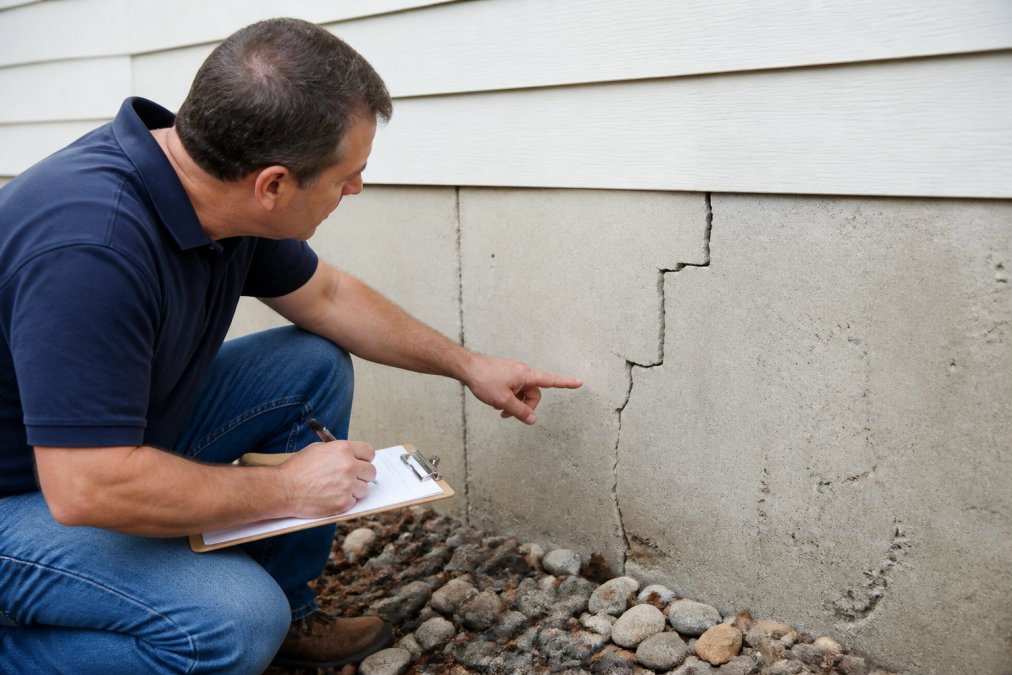
- Diagonal cracks running from corners of door frames or windows
- Doors and windows that stick or no longer close flush
- Visible horizontal cracks along basement or crawl space walls
- Floors that slope or feel uneven underfoot
- Gaps between interior walls and the ceiling
- Bowing or bulging basement walls
Not all cracks are equal. Hairline vertical cracks in poured concrete are often normal settling. Horizontal cracks in block foundations signal serious structural issues and warrant immediate professional evaluation.
Why Wichita's Soil Conditions Make This a Local Problem
The Kansas Geological Survey has documented the prevalence of expansive Verdigris and Woodson clay soils across south-central Kansas. These soils swell when wet and shrink when dry, creating lateral and vertical pressure on foundation walls that compounds over decades. Homes built before modern drainage codes were adopted are especially exposed. This is a Wichita-specific problem, which is why foundation damage occurs far more often here than in markets built on more stable substrates.
Kansas Disclosure Laws Real Estate Sellers Must Follow
Kansas law is explicit: sellers must disclose known material defects. Foundation problems qualify as material defects, which means concealing them is illegal.
What K.S.A. 58-30,106 Requires You to Disclose
Under Kansas Statute K.S.A. 58-30,106 on seller disclosure requirements, sellers of residential real estate must complete a Seller's Disclosure Statement covering the condition of the foundation, basement, and structural components. You must disclose any defect you have actual knowledge of, including prior repair attempts, known water intrusion, and any engineering reports you have received.
The disclosure requirement applies whether you sell through an agent, sell as-is, or sell directly to a cash buyer.
What Happens If You Sell Without Disclosing
A buyer who discovers an undisclosed defect after closing can pursue a claim for fraud, misrepresentation, or breach of contract. Kansas courts have awarded damages including the full cost of repair plus consequential losses. The statute of limitations for fraud claims is two years from discovery, not from closing. Trying to hide foundation damage Wichita buyers will almost certainly detect during inspection is a losing strategy.
Foundation Repair Cost in Wichita: Fix It or Sell As-Is?
This decision defines your net proceeds. There is no universal right answer, but the logic for each path is clear.
Pros and Cons of Repairing Before Listing
Repairing before listing can increase your sale price and expand your buyer pool to include purchasers using conventional financing. Lenders typically will not approve mortgages on homes with active structural defects, so an unrepaired foundation limits you to cash buyers.
The downside is cost, time, and uncertainty. Foundation repair in Wichita ranges widely depending on the method. Common approaches include steel pier installation, helical piers, wall anchors for bowing basement walls, and carbon fiber strapping. Repairs also take time, permits, scheduling, and work itself can add weeks to your timeline.
Pros and Cons of Selling As-Is with Known Damage
Selling as-is means pricing the property to reflect its condition and disclosing the damage upfront. The buyer accepts the property in its current state and takes on the repair obligation.
Advantages:
- No upfront repair costs
- Faster closing timeline
- No contractor coordination or permit delays
- Certainty: you know your proceeds before closing
Disadvantages:
- Lower sale price than a fully repaired home
- Smaller buyer pool (primarily cash buyers and investors)
- Some buyers will use the damage as leverage for aggressive price reductions after inspection
The as-is path works best when repair costs are high relative to the home's value, when you need speed, or when the property has multiple issues. For many distressed sellers in Wichita, the net proceeds from an as-is cash sale compare favorably to a repaired sale once you subtract contractor costs, holding costs, agent commissions, and closing costs.
| Selling Path | Timeline | Upfront Cost | Buyer Pool | Best For |
|---|---|---|---|---|
| Repair then list | 60-120 days | High (repair costs) | Broad, includes financed buyers | Sellers with equity and time |
| As-is on MLS | 30-60 days | Low | Narrower, cash-heavy | Moderate damage, motivated seller |
| Direct cash sale | 7-14 days | None | Single buyer | Speed, certainty, multiple issues |
When to Hire a Structural Engineer in Wichita
A structural engineer is not the same as a home inspector. A licensed structural engineer evaluates load-bearing capacity, assesses the severity of cracking and movement, and produces a written report with repair recommendations. This report carries professional liability and gives both sellers and buyers a credible picture of the property's condition.
Hire a structural engineer before listing if the damage appears significant, you have received conflicting contractor opinions, or you want documentation supporting your disclosure. In Wichita, structural engineers licensed in Kansas can be found through the Kansas Engineering Society. Expect an assessment to take one to three hours on site, with a written report delivered within a few days.
How to Sell a House with Foundation Damage in Wichita: Step-by-Step
Selling a home with structural issues follows a clear sequence. Skipping steps creates liability and delays.
Step 1: Get a Structural Assessment
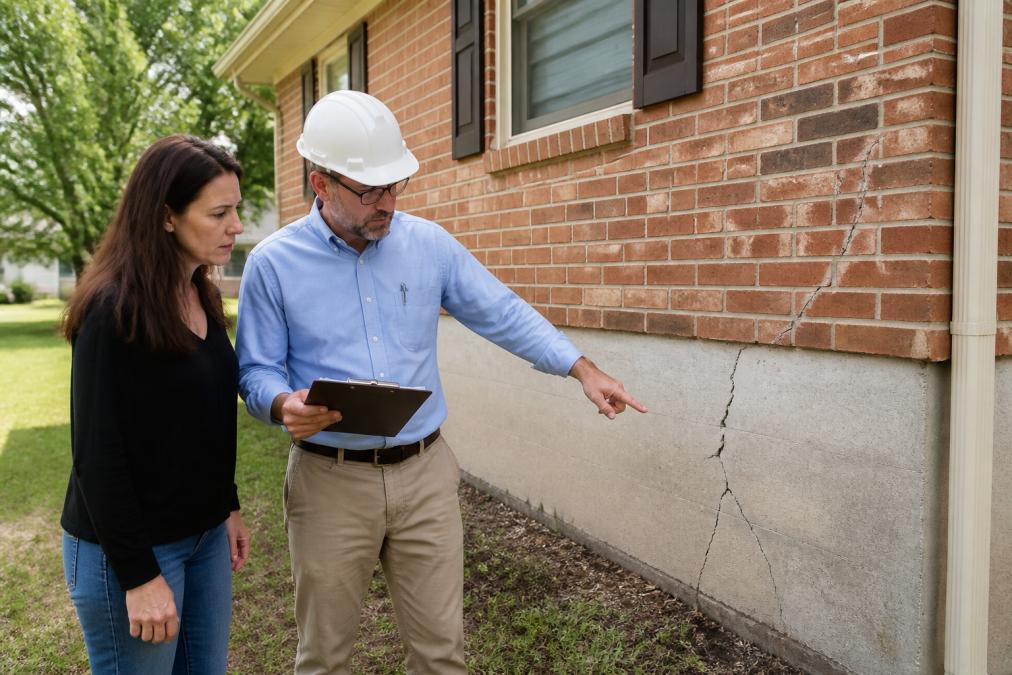
Before any pricing conversation, hire a licensed structural engineer or get written estimates from two foundation repair contractors. Document everything, photographs with timestamps, written reports, and contractor bids all become part of your disclosure package.
Step 2: Understand Your Net Proceeds Under Each Option
Run the numbers for each path: repair and list, as-is on MLS, or direct cash sale. For the repair path, subtract contractor costs, agent commissions (typically 5-6% combined in Kansas), holding costs during repairs, and closing costs. For the cash sale path, the offer price is closer to your net because you pay no commissions, no closing costs, and no repair expenses.
Step 3: Choose Your Selling Path
Your decision should be driven by three factors: how much time you have, how much capital you can deploy upfront, and how much certainty you need. Sellers in pre-foreclosure, probate, or managing an inherited property almost always benefit from the direct cash sale path.
Step 4: Complete Required Disclosures Before Closing
Complete the Kansas Seller's Disclosure Statement accurately. Attach your structural engineer's report and any contractor estimates. If you have had prior repairs done, include those records. Your real estate attorney should review the disclosure package before it goes to the buyer.
Cash Home Buyers in Wichita: How the Process Works
Cash home buyers in Wichita operate differently from traditional buyers, and understanding the difference helps you evaluate offers accurately.
What a Cash Buyer Looks at Differently Than a Traditional Buyer
A traditional financed buyer needs the home to appraise at or above the purchase price, and lenders often require repairs as a condition of loan approval. Foundation damage Wichita properties frequently fail this test, which is why they fall out of escrow at higher rates than structurally sound homes.
A cash buyer evaluates the property based on its as-is value and repair costs. They are not constrained by appraisal requirements or lender conditions. The offer will reflect the damage, but the closing process is dramatically simpler, no appraisal, no lender underwriting, no repair contingencies.
OneRoof Real Estate buys homes directly in Wichita and across Sedgwick, Harvey, Butler, and Sumner counties, closing in as few as seven days with no commissions, no closing costs, and no repairs required. For sellers dealing with foundation issues alongside other complications like probate, delinquent taxes, or code violations, that combination of speed and certainty is often decisive.
Common Mistakes Sellers Make When Accepting a Cash Offer
The biggest mistake is accepting the first offer without understanding what drives the number. A legitimate cash buyer will explain their offer based on the property's condition and local market values. Be cautious of buyers who pressure you to sign before you have reviewed the offer with an attorney, or who add fees and deductions at closing that were not disclosed upfront.
Out-of-State Heir Checklist: Selling a Wichita Home with Foundation Issues
Out-of-state heirs managing a Wichita property face compounded challenges. The foundation damage is one issue. The probate process, property maintenance, and Kansas-specific legal requirements are others.
Checklist for out-of-state heirs:
- Confirm legal authority: obtain Letters Testamentary or Letters of Administration from the Sedgwick County District Court before signing any contracts
- Order a title search to identify any liens, encumbrances, or outstanding property taxes
- Hire a Kansas-licensed real estate attorney to review the estate's authority to sell and any deed transfer requirements
- Complete a structural assessment and document foundation damage for disclosure purposes
- Arrange for utility maintenance: keep gas, water, and electricity active during the sale period to prevent secondary damage from frozen pipes or HVAC failure
- Verify whether the estate qualifies for a simplified affidavit of heirship process under Kansas law if the estate value is below the probate threshold
- Understand the stepped-up basis rule for capital gains tax: inherited property receives a stepped-up cost basis to fair market value at the date of death, significantly reducing capital gains tax exposure for heirs who sell promptly
- Confirm Kansas has no state inheritance tax (Kansas repealed its inheritance tax in 2010, a meaningful advantage for beneficiaries)
- If multiple heirs are involved, establish a written agreement on sale terms before listing to avoid disputes that delay closing
- For multi-heir disputes, the Kansas Office of Dispute Resolution offers mediation resources that can resolve disagreements without litigation
Managing utility and maintenance costs during the probate period is critical. A vacant home in Wichita's climate can develop secondary damage from frozen pipes in winter or HVAC failure in summer, turning a foundation issue into a foundation issue plus a water damage claim. Keep systems running and arrange for someone local to check on the property monthly.
The capital gains tax stepped-up basis is one of the most valuable Kansas-specific advantages for heirs. The IRS allows inherited property to be valued at its fair market value on the date of the original owner's death rather than the original purchase price. For a home purchased decades ago, this can eliminate most or all capital gains tax liability if the heir sells at or near current market value. Consult a Kansas-licensed tax professional or CPA, and review the IRS Publication 544 on sales and dispositions of assets for federal rules governing inherited property.
Foundation damage Wichita sellers face real obstacles, but they are not insurmountable. The combination of Kansas disclosure requirements, expansive soil conditions, and the practical limits of traditional financing means many of these properties cannot move through a conventional sale. OneRoof Real Estate buys homes directly in Wichita and the surrounding counties, closing in seven days with no commissions, no closing costs, and no repair requirements. If you are managing a property with structural issues, get a cash offer from OneRoof Real Estate and know your number before you commit to any other path.
Frequently Asked Questions
Can you sell a house with foundation problems in Wichita?
Yes. Kansas law does not prohibit selling a home with foundation damage. Your two main paths are listing on the open market with full disclosure or selling directly to a cash buyer as-is. Traditional buyers using FHA or VA financing will likely be blocked by lender requirements, so most foundation-damaged homes in Wichita end up selling either to cash investors or to buyers paying out of pocket who accept the condition. Disclosure is required regardless of which path you choose.
Do I have to disclose foundation damage when selling a house in Kansas?
Yes. Under Kansas real estate disclosure law, sellers must disclose known material defects, and foundation damage clearly qualifies. Failing to disclose known structural issues can expose you to post-closing litigation. The disclosure applies whether you sell through a real estate agent or directly to a cash buyer. If you inherited the property and have no personal knowledge of the damage, document that fact clearly in writing before closing to protect yourself.
Should I fix foundation issues before selling my house in Wichita?
It depends on the repair scope and your timeline. Minor crack repairs may cost less than the price reduction a buyer will demand, making repairs worthwhile. Severe structural repairs, such as pier installation or full underpinning, can run into tens of thousands of dollars with no guarantee of recovering that cost at closing. For most distressed sellers in Wichita, selling as-is to a cash buyer produces comparable or better net proceeds once you subtract repair costs, agent commissions, and carrying costs during a longer listing period.
Who buys houses with foundation problems in Wichita?
Cash home buyers in Wichita, including direct home-buying companies, purchase foundation-damaged properties regularly. These buyers do not rely on lender appraisals or inspections that would flag structural issues, so they can close on properties that traditional buyers cannot finance. OneRoof Real Estate buys houses in Sedgwick, Harvey, Butler, and Sumner counties in any condition, including homes with active foundation damage, and can close in as few as 7 days with no repairs, commissions, or closing costs required from the seller.
How much does foundation damage devalue a house in Wichita?
The price impact varies by severity. Cosmetic cracks may reduce market value modestly, while severe structural failure can make a home unfinanceable by conventional lenders, effectively removing the majority of the buyer pool. Because research data on precise Wichita-specific devaluation figures is limited, the most reliable way to understand your home's current market value with foundation damage is to get a property assessment from a structural engineer and request a cash offer from a direct buyer, which reflects real market demand for the condition.
What are the signs of foundation damage in a Wichita home?
Common indicators include diagonal cracks running from window or door corners, doors and windows that stick or no longer close flush, visible gaps between walls and ceilings or floors, sloping or uneven floors, bowing basement walls, and water intrusion along the base of the foundation. Wichita's expansive clay soils, which shift significantly with seasonal moisture changes, are a leading cause of foundation movement in Sedgwick County homes, particularly in older neighborhoods built before 1980.
This article was written using GrandRanker