 blog
blog
7 Ways to Speed Up Probate in Kansas
Table of Contents
- What Probate Is and When It's Required in Kansas
- Understand Kansas Small Estate Affidavit Requirements
- File Your Petition Early and Gather Required Documents
- Know How Long Does Probate Take in Kansas
- Use a Kansas Probate Checklist to Stay Organized
- Selling an Inherited House During Probate in Kansas
- Avoid Common Kansas Probate Bottlenecks
- Conclusion
- Frequently Asked Questions
Last Updated: October 12, 2026
What Probate Is and When It's Required in Kansas
Probate is the legal process of settling a deceased person's estate through the court system, and there are proven strategies to speed up probate in Kansas. It involves validating the will, inventorying assets, paying debts and taxes, and distributing what remains to heirs and beneficiaries.
You need to open probate in Kansas if the deceased person's estate includes assets that don't automatically pass to beneficiaries. These are called probate assets. But inherited real estate almost always requires probate unless it was held in a trust or joint ownership.
At OneRoof Real Estate, we work with families navigating inherited properties. Many don't realize they can't sell or transfer the house without going through probate first. That's where understanding the process becomes critical.
The probate process can take months or years, but knowing how to speed up probate in Kansas can significantly reduce that timeline. Kansas law sets minimum waiting periods, court deadlines, and notice requirements that add time. But there are steps you can take to move things along faster.
Understand Kansas Small Estate Affidavit Requirements
Kansas offers a simplified probate process for smaller estates. If the estate's total value is under a certain threshold and meets specific conditions, you can use a small estate affidavit instead of formal probate. This is one of the fastest ways to settle an estate in Kansas.
To qualify for simplified probate in Kansas, the estate must meet these requirements:
- Total value of probate assets is below the statutory limit
- No will contest or disputes among heirs
- All heirs and creditors agree to the simplified process
- The person has been dead at least 30 days
If your inherited house qualifies, a small estate affidavit lets you skip formal court proceedings. You file an affidavit with the probate court, provide a death certificate and list of assets, and wait for approval. Once approved, you can transfer the property without a full probate case.
This process typically takes weeks instead of months. But not every estate qualifies. If there's significant debt, multiple properties, or disagreement among heirs, you'll need formal probate instead. Check with your local county court to see if your situation fits the small estate rules.
File Your Petition Early and Gather Required Documents
The first step in formal probate is filing a petition with the Kansas district court. This opens the estate officially and starts the timeline. Filing early matters because court schedules fill up, and delays at the start ripple through the entire process.
Before you file, gather these essential documents:
- Original death certificate (get multiple certified copies)
- Original will (if one exists)
- List of all assets and their estimated values
- List of known debts and creditors
- Names and addresses of all heirs and beneficiaries
- Proof of the person's residency in Kansas (if applicable)
You'll also need to choose who will serve as the personal representative (also called an executor). This person manages the estate, pays bills, and distributes assets. In Kansas, the personal representative must be a resident of Kansas or a family member. If you're out of state, you'll need to appoint a Kansas resident to serve with you or instead of you.
File your petition with the probate court in the county where the person died. Include the will if there is one, along with a self-proving affidavit if it's available. A self-proving affidavit is a notarized statement signed by the will's witnesses. It speeds up will validation because the court doesn't need to contact witnesses separately.
Know How Long Does Probate Take in Kansas
Probate in Kansas typically takes 6 to 12 months for straightforward estates. Complex cases with disputes, multiple properties, or significant debt can take 2 years or longer. The timeline depends on several factors you can and cannot control.
Factors that speed up probate:
- Clear, valid will with no disputes
- Small estate that qualifies for simplified process
- Cooperative heirs and beneficiaries
- Minimal debt and tax obligations
- Quick asset liquidation
Factors that slow it down:
- Missing or unclear will
- Disagreements among heirs
- Complex asset inventory (multiple properties, business interests)
- Creditor claims and estate debts
- Pending lawsuits or claims against the estate
- Tax complications requiring IRS approval
Kansas law sets minimum waiting periods you cannot skip. After filing the petition, you must wait 30 days before the court can grant letters of administration. You must also publish notice in a local newspaper and send written notice to all known heirs and creditors. These steps protect everyone's rights but add time.
Once the personal representative has letters of administration, they can begin collecting assets and paying bills. But they cannot distribute assets to heirs until all debts, taxes, and expenses are paid. If creditor claims come in late or tax returns are delayed, distribution takes longer.
Use a Kansas Probate Checklist to Stay Organized
A probate checklist keeps the personal representative on track and prevents missed deadlines. Kansas probate involves many moving parts, and one missed step can delay everything.

Here's a priority checklist for the first weeks and ongoing:
First 30 Days:
- Obtain certified death certificates (order 8-10 copies)
- Locate the original will and any trusts
- Identify all assets (real estate, bank accounts, investments, vehicles)
- List all known debts and creditors
- Contact the deceased's employer, banks, and insurance companies
- Gather tax returns from the last 3 years Securing clear title to property often requires navigating complex ownership disputes, making an early assessment of real estate litigation alternatives a prudent step for any executor managing these initial filings.
Before Filing with Court:
- Meet with an estate attorney to review the will and eligibility for simplified probate
- Identify who will serve as personal representative
- Prepare the petition for the probate court
- Get the will notarized with self-proving affidavit if needed
After Filing:
- Publish notice in the local newspaper (required by Kansas law)
- Send written notice to all heirs and beneficiaries
- Obtain letters of administration from the court
- Open an estate bank account
- Notify creditors and set a deadline for claims
- Begin collecting and inventorying assets
- Arrange appraisals for real estate if needed
Ongoing:
- Pay estate bills and expenses from the estate account
- Respond to creditor claims
- File estate income tax returns if required
- Prepare a detailed accounting for the court
- Distribute assets once all debts and taxes are paid
Selling an Inherited House During Probate in Kansas
Selling an inherited house during probate is possible but adds complexity. You cannot sell the property without court approval, and the sale must happen before or as part of the probate settlement.
First, determine whether you need court approval to sell. If the will specifically authorizes the personal representative to sell property, you may have more flexibility. If not, you'll need to petition the court for permission to sell.
Once you have permission, you have two main options: list with a traditional real estate agent or sell as-is to a cash buyer. A traditional sale takes longer because the house must be in marketable condition.
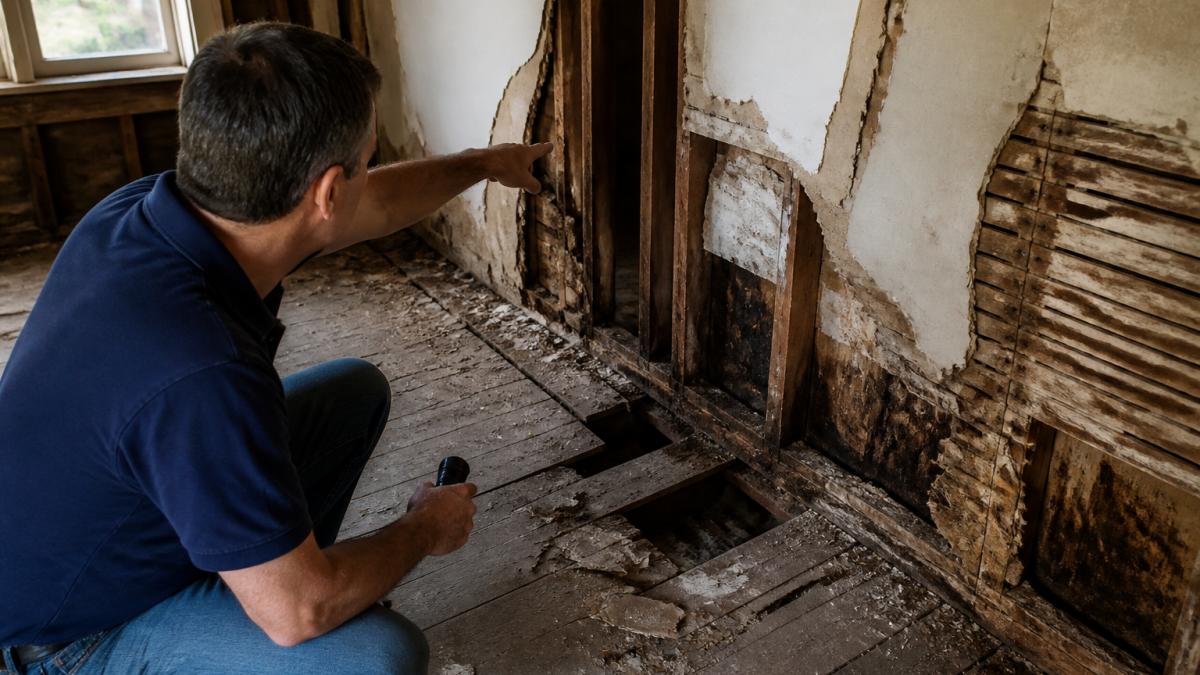
Selling to a cash buyer like OneRoof Real Estate offers a faster alternative. We buy houses in any condition, from foundation issues to code violations, without requiring repairs or cleaning.
When you sell during probate, the proceeds go into the estate account. After paying debts, taxes, and probate expenses, the remaining money goes to heirs. A faster sale means heirs receive their inheritance sooner and the estate avoids months of carrying costs.
Avoid Common Kansas Probate Bottlenecks
Most probate delays come from predictable bottlenecks. Knowing what causes them helps you avoid them.
Bottleneck 1: Missing or Unclear Will If there's no will or the will is unclear, the court must determine who inherits under Kansas intestacy law.
Bottleneck 2: Out-of-State Personal Representative Kansas requires the personal representative to be a state resident or a family member. If the main heir lives out of state, they cannot serve alone.
Bottleneck 3: Slow Asset Collection Banks, investment firms, and insurance companies move slowly. They require certified death certificates, letters of administration, and sometimes court orders.
Bottleneck 4: Disagreements Among Heirs If heirs disagree about how to handle the estate or who gets what, the court must settle it. This can take months or years.
Bottleneck 5: Creditor Claims and Tax Issues Unpaid debts and pending tax returns hold up distribution.
Bottleneck 6: Probate Real Estate Sitting Unsold If the estate includes real estate that doesn't sell quickly, the property ties up capital and costs money to maintain.
Conclusion
Speeding up probate in Kansas requires understanding the process, filing early, staying organized, and making smart decisions about major assets like real estate. The steps that matter most are filing your petition promptly, gathering documents before you need them, using simplified probate if you qualify, and handling the inherited house strategically.
If you're managing an inherited property in Kansas, consider how quickly you need to settle the estate. At OneRoof Real Estate, we help heirs move past probate faster by buying inherited houses as-is, without repairs or commissions, and closing in as little as 7 days. We've closed nearly 300 transactions in the Wichita area and understand the urgency families face. Get your fair cash offer today and let us handle the property while you focus on the probate process.
Frequently Asked Questions
Can a Kansas small estate affidavit help avoid probate entirely?
A Kansas small estate affidavit can streamline the process significantly for estates under certain asset thresholds, but it doesn't eliminate probate entirely, it simplifies it. If the deceased's estate qualifies as a small estate under Kansas law, heirs may use an affidavit to collect assets directly without full probate court proceedings. However, real property (land and houses) typically still requires probate court involvement. Consult the Kansas District Court in your county to determine if your estate qualifies for this simplified approach, as requirements vary by county and asset type.
How long does probate take in Kansas on average?
Probate in Kansas typically takes 6 to 12 months for straightforward estates, though complex cases can extend to 18 months or longer. The timeline depends on estate size, number of heirs, presence of disputes, and court docket backlog in your county. Simple estates with a valid will and no creditor claims move faster. Delays often occur during creditor notification periods (which can last several months) and when resolving disputes over asset distribution. Starting the process immediately and staying organized can help you meet deadlines and avoid unnecessary delays.
What should I do in the first weeks after someone passes away?
In the first weeks, locate the original will and death certificate, secure the deceased's property and assets, notify banks and creditors, and gather financial records. Contact the probate court in your county (usually the District Court) to understand filing requirements and obtain probate forms. If the deceased owned real property, you'll need to address it quickly, either maintain it during probate or explore options like selling through a cash buyer to avoid ongoing costs. Having these items ready before filing your petition speeds up the entire process and prevents costly delays.
Can heirs sell an inherited house before probate is complete?
Selling an inherited house during probate in Kansas requires court approval, though it's possible in most cases. The personal representative must petition the court for permission to sell, which typically takes a few weeks to approve. Some buyers, like OneRoof Real Estate, specialize in purchasing inherited properties quickly and as-is, which can expedite the sale and help you avoid months of carrying costs, taxes, and maintenance during probate. This approach is especially valuable if the property needs repairs or if heirs live out of state and want to settle the estate faster.