 How-to
How to Disclose Past Basement Leaks to Potential Buyers
Last Updated: November 9, 2026
Quick Summary
To disclose past basement leaks to potential buyers, put the facts in writing on the seller disclosure form: name the cause, the date, the fix, and who did the work. Most states require sellers to disclose known water damage, and a repaired leak is still a material fact you must reveal.
- Roughly two-thirds of states legally require sellers to disclose known flood risk or past water damage.
- A repaired leak is still a material fact if it could affect the home's value or a buyer's decision.
- Write the same facts in both the known-defects and past-repairs sections of the disclosure form.
- A repair file should hold receipts, before-and-after photos, insurance claims history, and transferable warranty paperwork.
- Never describe a repaired leak as no longer an issue; say what was fixed and when.
Table of Contents
- Why Disclosing Past Basement Leaks Protects Your Sale
- Do You Have to Disclose Water Damage When Selling a House?
- Do I Have to Disclose a Past Problem With My House If It's Been Repaired?
- Disclosing Water Damage When Selling a House: What to Put in Writing
- If the Seller Didn't Disclose Water Damage: What Buyers and Heirs Should Do
- Turn Past Mitigation Into a Selling Point
- Selling a Wichita Property As-Is Without Repairs
- Frequently Asked Questions
Why Disclosing Past Basement Leaks Protects Your Sale
Learning how to disclose past basement leaks to potential buyers starts with one fact: most real estate disputes are not about the leak itself. They are about what the seller knew and never said. This guide walks through the disclosure process step by step, from the first form to the final signature.
A latent defect is a hidden problem a buyer cannot see during a normal walkthrough, such as water intrusion behind finished drywall. A patent defect is visible to anyone who looks. Sellers are generally expected to reveal latent defects they know about.
Latent vs. Patent Defects: What Buyers Can See and What You Must Reveal
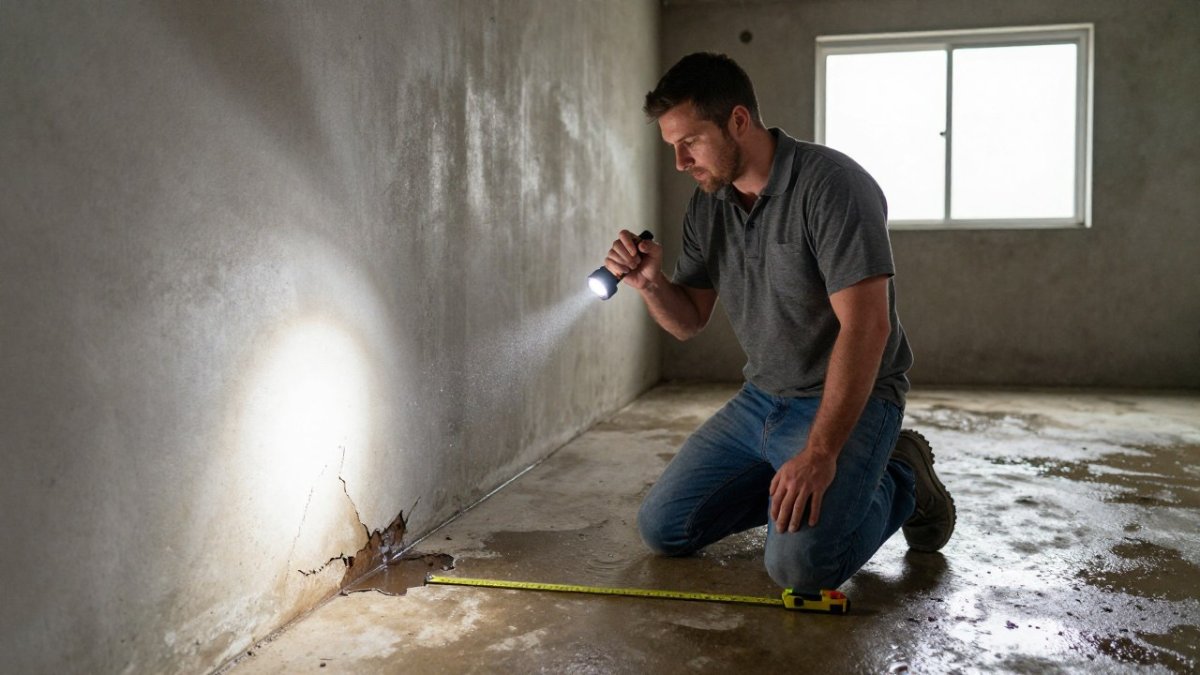
Patent defects speak for themselves. A puddle on the floor, a stained wall, or a bowed foundation wall is visible, and buyers can price it in.
Latent defects are the ones you must put in writing. These include:
- Past seepage that was patched and painted over
- A sump pump that only runs during heavy rain
- Drywall damage from an old flood, since replaced
- A prior insurance claim for water damage
Industry guidance recommends keeping a full file of past flooding events, claims, and repair receipts for future buyers, according to Effective Agents guidance on selling a home with a wet basement. The seller disclosure statement is where that knowledge goes on the record.
Do You Have to Disclose Water Damage When Selling a House?
Yes, in most states. Do you have to disclose water damage when selling a house? If you know about it, the answer is almost always yes. Roughly two-thirds of states legally require sellers to disclose known flood risk or past water damage, per Effective Agents.
The rest lean on caveat emptor, or "let the buyer beware." Even there, actively hiding a known leak can be treated as misrepresentation. Kansas sellers should check the state's specific requirements before listing, since disclosure rules vary by state.
Do I Have to Disclose a Past Problem With My House If It's Been Repaired?
Do I have to disclose a past problem with my house if it's been repaired? In most cases, yes. A repaired leak is still a material fact if it could affect the home's value or a buyer's decision.
A known material defect generally must be disclosed, and the age of the defect does not automatically remove that obligation.
What most guides miss is this: the repair is your best evidence, not a reason to stay quiet. A documented fix, with receipts and a warranty transfer where one exists, turns a red flag into proof of upkeep.
Disclosing Water Damage When Selling a House: What to Put in Writing
Disclosing water damage when selling a house means putting the facts on the seller disclosure form in plain language. Name the cause, the date, the fix, and who did the work.

Skip vague lines like "some moisture." Write specifics:
- Where the water came from: seepage, a failed sump pump, or hydrostatic pressure
- What was done: drainage improvements, a moisture barrier, grading, or downspout extension
- Who did the work, and when
- Whether any claim was filed
A Disclosure Script You Can Adapt
Most guides stop at "be honest." The harder question is how to say it without handing the buyer a reason to walk. A workable pattern is four sentences: state the fact, state the fix, state the evidence, and state the current condition without overpromising.
A template you can adapt:
"In [month, year], we had water come into the basement from [cause, e.g., a failed sump pump during heavy rain]. We had it addressed by [contractor], who [specific fix, e.g., replaced the pump and regraded the north side of the foundation]. We have the invoice, before-and-after photos, and the warranty, which transfers to you. We have not seen water in the basement since, and we are disclosing it because we would rather you have the full record than find it later."
That script does three things at once. It puts the fact on the record, it pairs the fact with evidence, and it avoids the two phrases that cause the most trouble: "no longer an issue" and "never happened again." Say what you observed and what you did, not what you can guarantee. When the evidence points to more than a repaired leak, a Foundation Inspection can help clarify what the records support about the home's condition.
Watch out: do not let a well-written script replace the form. The disclosure statement is the legal record; the conversation is how you keep trust. Put the same facts in both, and do not soften the form to match a friendlier conversation.
Building a Repair File Buyers Actually Trust
A repair file should hold everything a buyer or home inspector would want to see:
- Receipts and invoices for every repair
- Photos taken before, during, and after the work
- Any insurance claims history for the property
- Warranty paperwork that can transfer to the buyer
- A short timeline of what happened and when
A clean file does two jobs. It backs up your property condition report, and it shortens the negotiation after the inspection. For a full listing checklist, see our step-by-step seller guide.
A one-page summary at the front of the file can help buyers and inspectors find the key facts quickly: date, cause, fix, contractor, warranty status, and current condition. Keep a copy in the basement and a digital copy you can email the same day a buyer asks.
A repair file should hold everything a buyer or home inspector would want to see.
| Item | What it contains |
|---|---|
| Receipts and invoices | For every repair |
| Photos | Taken before, during, and after the work |
| Insurance claims history | For the property |
| Warranty paperwork | That can transfer to the buyer |
| Timeline | A short record of what happened and when |
| One-page summary | Date, cause, fix, contractor, warranty status, current condition |
If the Seller Didn't Disclose Water Damage: What Buyers and Heirs Should Do
When the seller didn't disclose water damage, buyers and heirs still have options. Start by gathering evidence: inspection reports, contractor notes, and any proof the seller knew.
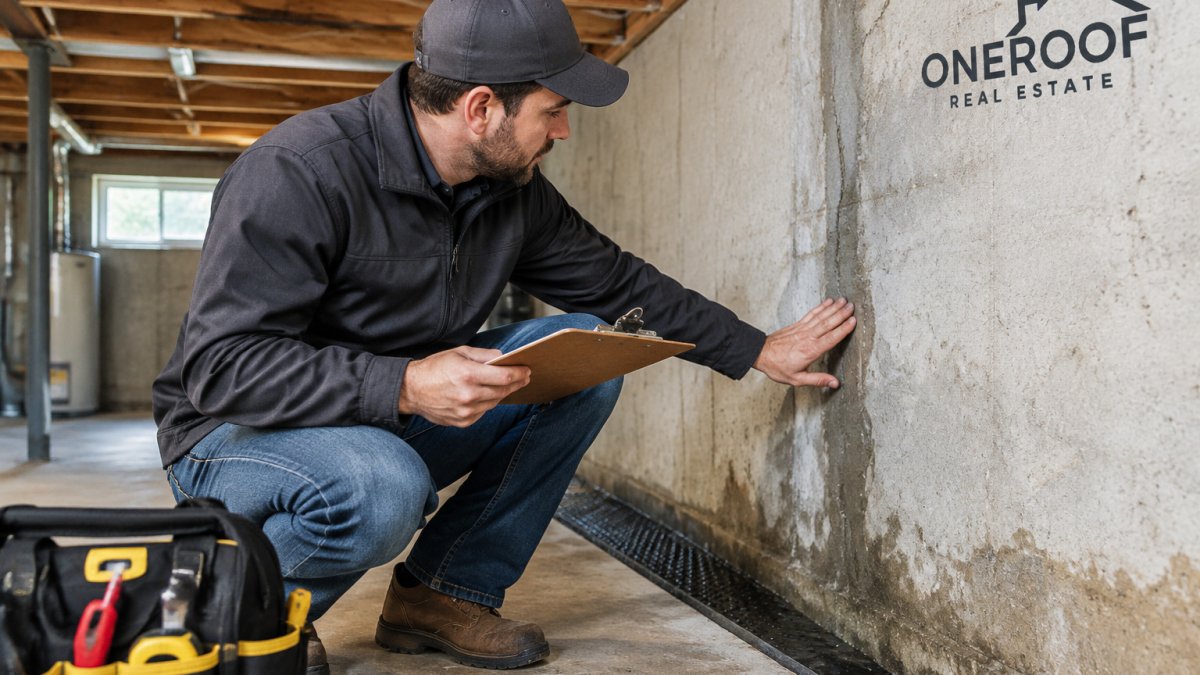
Common signs of a hidden problem include fresh paint over stains, a musty smell, and new caulk along basement walls. A home inspection can confirm active water intrusion or mold remediation needs.
From there:
- Raise the issue in writing before closing, while remedies are simplest
- Review the closing disclosure and any seller disclosures for gaps
- Consult a real estate attorney about a claim for legal liability
Heirs selling an inherited home face a twist. They may know little about old repairs, and that is fine. Disclose what the estate knows and say plainly what it does not.
Turn Past Mitigation Into a Selling Point
Mitigation sells when you frame it correctly. A basement that was fixed, documented, and maintained reads as a stronger asset than one with an unknown history.
Lead with the work: a new sump pump, better grading, and extended downspouts all show a homeowner who stayed ahead of structural integrity issues. Sellers who document repairs and keep receipts give buyers a reason to trust the rest of the house, per HomeLight guidance on seller disclosures.
What Buyers Actually Pay For
Buyers do not pay a premium for the word "repaired." They pay for reduced uncertainty. Frame mitigation around the specific uncertainties it removes:
- A transferable warranty. A basement waterproofing or sump pump warranty that transfers to the buyer converts your past repair into their future protection. Put the transfer terms in the listing remarks and the disclosure file.
- A maintenance record. A dated log of pump tests, gutter cleanings, and grading checks shows the system is still being managed, not just installed once.
- A named contractor and a permit trail. Pull the permit history where one exists. A permitted, inspected repair is worth more to a buyer than an undocumented one, because the buyer's inspector can verify it.
- A clear current-condition statement. "Dry since the repair, monitored quarterly" is a claim a buyer can check. "Fixed forever" is not.
Presenting mitigation as a maintenance asset, with the same paperwork a buyer would expect for a roof or HVAC system, can help buyers see the repair as managed rather than unknown. Sellers weighing repair versus an as-is exit can review their options for selling with foundation damage in Wichita.
Watch out: never describe a repaired leak as "no longer an issue." Say what was fixed and when. Overpromising invites a claim later, and buyers can tell the difference between confidence and spin. The same rule applies to staging: do not paint over a stain or hide a sump pump to make the framing look cleaner.
Selling a Wichita Property As-Is Without Repairs
Some sellers would rather skip the repair-and-disclose cycle entirely. That is where an as-is sale fits. We buy homes in any condition, so you do not need to fix or clean anything first.
Our process is built for sellers who want a straightforward exit:
- A fair, all-cash offer within 24 hours
- No repairs, fees, or commissions
- You choose the closing date, often within a week
- Property clean-out services provided
We have bought almost 300 houses in the Wichita area and helped hundreds of sellers. You can also read more about why homeowners choose as-is sales or selling a home with basement water damage.
Disclosure does not have to stall your sale. Whether you repair, disclose, or sell as-is, the goal is a clean, honest close.
Frequently Asked Questions
Can you sell a house with a leaky basement?
Yes. A leaky basement does not block a sale, but it changes how you sell. You can repair the leak and document the work, disclose it as-is and price accordingly, or sell to a cash buyer who purchases in any condition. What you cannot do is hide it. Sellers are generally expected to disclose known material defects. Disclosure plus a repair file keeps the sale moving.
Do I have to disclose a past basement leak if it has been repaired?
In most cases, yes. A known material defect that could affect the property's value is generally expected to be disclosed, regardless of how long ago the event occurred. A repaired leak still counts as history a buyer would want to know. The good news: a documented repair with receipts, a warranty transfer, and photos turns a red flag into evidence of responsible ownership. Disclose the repair, show the paperwork, and let the buyer see the mitigation work.
What should I include when disclosing a basement leak to buyers?
Give the buyer a written record: when the leak happened, what caused it (water intrusion, hydrostatic pressure, failed sump pump), what repairs were made, who did the work, and what it cost. Attach receipts, contractor invoices, warranty documents, photos, and any moisture or mold remediation reports. Note drainage improvements such as grading changes, downspout extensions, or a moisture barrier. A complete repair file builds trust and reduces the chance of a dispute after closing.
What can I do if the seller didn't disclose water damage?
Start by gathering evidence: photos, inspection reports, and any communication showing the seller knew about the problem. Then talk to a real estate attorney about your options, which can include a claim for misrepresentation or repair cost recovery. Failing to disclose known material defects like basement leaks can lead to legal action if the buyer can prove prior knowledge. Act promptly, since timelines for claims vary by state.