 How-to
How Soil Moisture Affects Wichita Home Foundations
Table of Contents
- How Clay Soil in Wichita Shrinks and Swells With Moisture
- Soil Pulling Away From Foundation: What Drought Does to Your Home
- Foundation Watering During Drought: How to Do It Safely
- Excess Water Around the House Foundation: Drainage and Pooling Risks
- Signs of Foundation Problems in Wichita Homes and How to Tell Moisture Damage From Other Causes
- A Seasonal Moisture Checklist for Wichita Homeowners
- Deciding Between Prevention and Professional Foundation Repair
- Frequently Asked Questions
Last Updated: November 16, 2026
How Clay Soil in Wichita Shrinks and Swells With Moisture
Wichita homeowners often blame their foundation problems on bad construction, when the soil underneath is frequently the real culprit. Clay soil reacts strongly to water, and that reaction can push or pull on a home's footings for years, which is why learning how soil moisture affects Wichita home foundations matters so much.
Clay soil expands when it absorbs water and shrinks when it dries out. Engineers call this shrink-swell behavior, and understanding how soil moisture affects Wichita home foundations starts here.
Why Clay Soil Behaves Differently Under Foundations
Clay particles are tiny and flat, and they hold water tightly between their layers. When they fill up with moisture, they grow. When the water leaves, they pull together and shrink.
This matters for a house because the soil under it does not change evenly. One corner may stay wet near a downspout while the opposite side bakes in the sun. Uneven moisture means uneven movement, and uneven movement is what cracks slabs and walls.
- Clay expands as it takes on water
- Clay shrinks as it dries and pulls away
- Moisture differences across the lot cause uneven movement
- Uneven movement shows up as cracks, gaps, and sticking doors
Why Foundation Depth Changes the Risk
Not every foundation feels the same moisture changes. Surface moisture, such as rain or a sprinkler, mostly changes the top few feet of soil.
A shallow slab sits closer to that active zone, so it moves more. A deeper footing reaches soil with more stable moisture, so it moves less. Depth alone does not make a home safe, but it does lower the risk.
Soil Pulling Away From Foundation: What Drought Does to Your Home
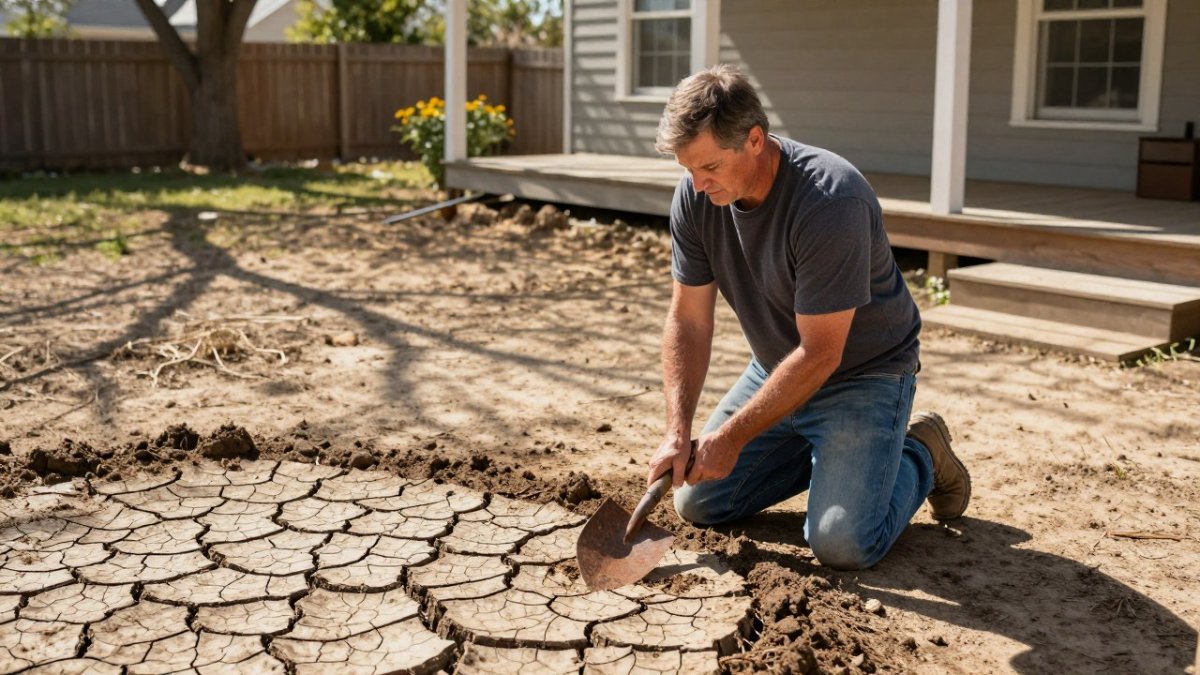
Drought is one of the most common causes of foundation trouble in the Wichita area, but the damage is easier to understand once you know what is actually happening underground. When rain stops for weeks, the top layer of clay soil loses moisture to evaporation and to the roots of grass and trees. As the clay dries, its particles pull together and the soil volume shrinks.
The gap matters because it removes support. A footing that was bearing on moist, expanded clay is now bearing on air at the edge, and the load has to redistribute to the soil that is still in contact. That redistribution is rarely even.
How deep the shrinkage goes depends on how long the dry spell lasts and how much water the soil started with. Surface moisture from rain or a sprinkler mostly changes the top few feet of soil, which is why shallow slab-on-grade foundations feel drought more than deep footings.
Watch for these drought warning signs:
- A visible gap between the soil and the foundation wall, especially one that widens over a dry month
- Cracks that widen during hot, dry months and narrow after soaking rains
- Doors and windows that stick in summer and open easily in winter
- Floors that feel uneven or bouncy, or a floor that slopes toward one exterior wall
- Separation at the corners of the exterior trim, or caulk joints that tear open
A practical way to track drought movement is to measure the gap itself. Pick a few fixed points around the perimeter, push a tape measure or a marked stake down to the foundation wall, and record the distance from the soil surface to a reference mark on the wall. Repeat the measurement on the same day each month through the dry season.
It also helps to know what the soil is doing before the drought arrives. Clay that went into the dry season already saturated will shrink more dramatically than clay that was moderately moist, because there is more water to lose. That is why a wet spring followed by a hot, dry summer is often harder on foundations than a dry spring followed by the same summer.
If the gap is small and stable, monitoring and even watering can be reasonable. If the gap is deep, growing, or paired with interior symptoms, the movement has likely progressed past what surface watering can correct, and a structural evaluation is the safer next step.
The article lists the main warning signs of drought-related foundation movement, which homeowners can scan quickly:
| Warning sign | What it suggests | Action |
|---|---|---|
| Visible gap between soil and wall | Soil has shrunk and lost bearing | Measure and record it monthly |
| Cracks widening in hot, dry months | Movement tied to soil moisture | Photograph and date them |
| Doors and windows sticking in summer | Frame shifting with uneven soil | Note the seasons they stick |
| Uneven or sloping floors | Differential settlement | Schedule a structural evaluation |
| Trim or caulk joints tearing open | Corners separating from the house | Monitor for growth |
Foundation Watering During Drought: How to Do It Safely
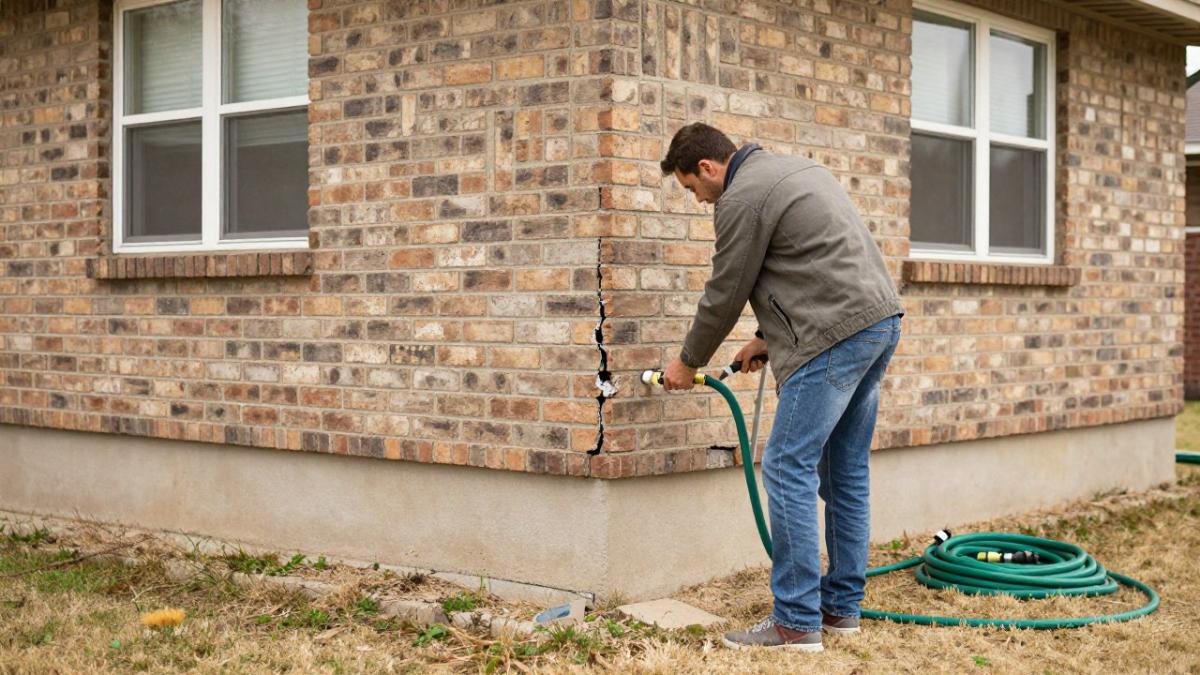
Watering the soil around a foundation can help during a dry spell, but it has to be done with care. Random watering can create the same uneven moisture that causes movement in the first place.
A safer approach is to water evenly around the entire perimeter. Use a soaker hose or a slow drip rather than a sprinkler that hits one side hard. Water deeply but gently, and avoid soaking the soil right against the wall for long periods.
Keep these habits in mind:
- Water the whole perimeter on the same schedule
- Use slow, steady sources like soaker hoses
- Avoid blasting one corner with a strong spray
- Check the soil by hand before watering again
Excess Water Around the House Foundation: Drainage and Pooling Risks
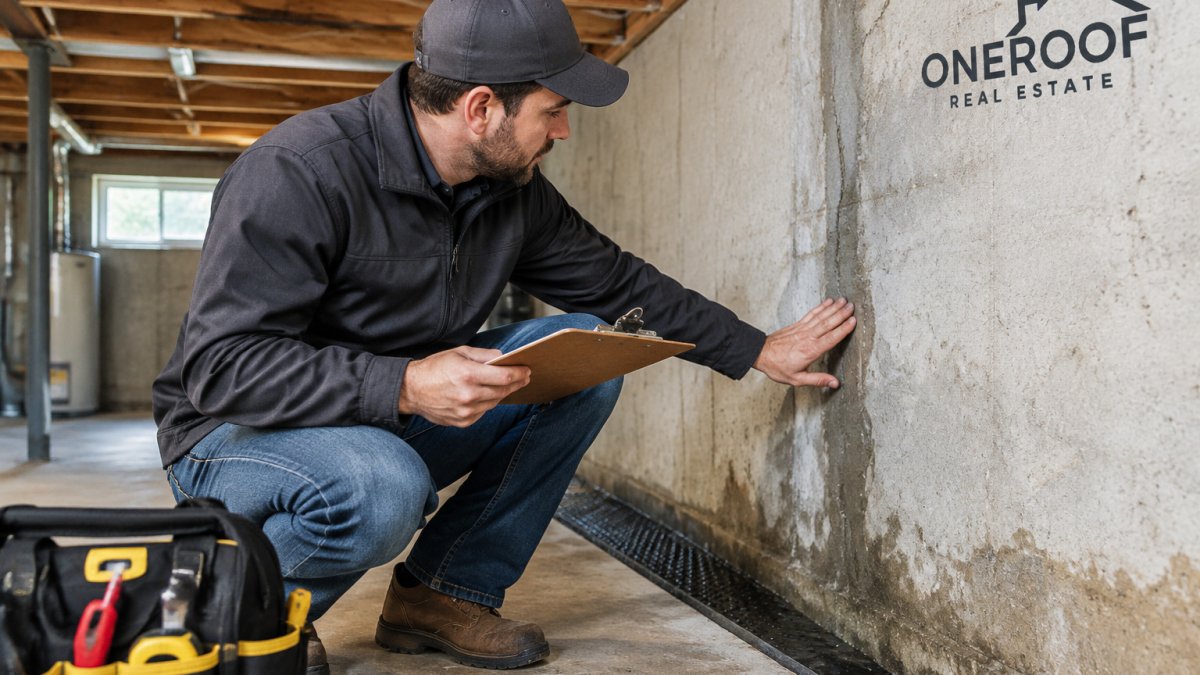
Too much water causes just as many problems as too little. When water pools near the foundation, the clay swells and pushes against the walls. Standing water can also seep into basements and crawl spaces.
Good drainage moves water away from the home. Gutters and downspouts should direct runoff at least several feet from the foundation. Grading should slope away from the house so rain runs off instead of collecting.
- Extend downspouts away from the foundation
- Clean gutters before heavy rain season
- Keep soil graded to slope away from the walls
- Fix low spots where water collects after storms
Signs of Foundation Problems in Wichita Homes and How to Tell Moisture Damage From Other Causes
Foundation problems are not always caused by soil moisture. Settlement from poor construction, plumbing leaks, and tree roots can cause similar symptoms. Learning the pattern helps you tell them apart.
Moisture-related movement often follows the seasons and shows up near the edges of the home. Structural damage tends to be more sudden and more severe. Stair-step cracks in brick, a sagging ridge line, or a door frame that suddenly binds all deserve a professional look. Mitigating these risks often requires addressing the underlying soil composition through Professional Concrete preparation techniques that stabilize the foundation against future shifts.
To learn more about the common problems in local homes, see what foundation problems are common in Wichita homes. For a broader look at how cracks are identified, read how to identify foundation cracks in homes.
A Seasonal Moisture Checklist for Wichita Homeowners
A short routine each season can catch problems early. Use this checklist to keep your foundation on track through the year.
- Walk the perimeter after heavy rain and note any pooling
- Check gutters and downspouts for clogs before spring storms
- Measure any visible gaps between soil and foundation
- Water evenly during extended dry periods
- Photograph and date any new cracks to track changes
- Confirm grading still slopes away from the house
Documenting changes with dated photos is one of the most useful habits you can build. It shows a professional whether a crack is stable or growing.
Deciding Between Prevention and Professional Foundation Repair
Prevention costs far less than repair, but it cannot fix damage that has already happened. The useful question is not whether to prevent or repair, but which stage of movement your home is in. Homes generally fall into one of three broad situations, and each calls for a different response.
Situation one: stable soil, no symptoms. The soil around the home is holding moisture reasonably evenly, there are no new cracks, and doors and windows operate normally. This is the prevention stage. The work is drainage, grading, gutter maintenance, and even watering during dry spells.
Situation two: early movement, cosmetic symptoms. You see hairline cracks in drywall or brick mortar, a small and stable gap between soil and foundation, or a door that sticks only in the driest weeks. This is the monitoring stage. Prevention work still matters, but it should be paired with documentation.
Situation three: active or structural symptoms. Cracks wider than a quarter inch, stair-step cracks in brick, a door frame that suddenly binds, a sloping floor, or a gap that keeps growing all point to movement that has outrun what watering and drainage can correct. This is the professional evaluation stage.
A simple decision rule helps: if the symptom is new, small, and tied to weather, monitor and manage moisture. If the symptom is large, sudden, or worsening on its own schedule, get an inspection. When in doubt, an inspection is cheaper than waiting, because foundation damage tends to compound.
Watch out: watering during a drought can help a home in situation one or two, but it will not reverse settlement that has already occurred, and overwatering can create the same uneven swelling that caused the problem.
Foundation damage can also affect a home's value and how buyers and appraisers view it. For details, see how foundation damage affects home appraisal value. If you are weighing repair against selling, how to calculate the cost to sell a house with major repairs walks through the numbers step by step.
Every home is different, so talk with a qualified foundation specialist before committing to major work. OneRoof Real Estate buys homes in any condition, including those with foundation issues, as-is and with no repairs required. Contact us to see what a fair, all-cash offer looks like for your property.
Frequently Asked Questions
What should I do if the dirt is pulling away from my house foundation?
Start by measuring the gap and photographing it with a dated reference, such as a tape measure held against the wall. Gaps that widen over several weeks during dry spells point to shrinking clay soil. Check that downspouts and gutters discharge several feet away from the house and that grade slopes away from the foundation. Then have a licensed foundation contractor or structural engineer evaluate the gap, especially if it is wider than a quarter inch, appears at a single corner, or comes with new cracks or sticking doors and windows.
Does clay soil cause foundation problems in Wichita?
Clay soil can cause foundation problems when its moisture content changes significantly. Clay expands as it absorbs water and shrinks as it dries, which moves the soil beneath the slab or footings. Moisture variations create swelling and shrinking in clay-type soils, and deeper foundations are generally less affected by surface water. Problems usually appear as uneven settlement, cracks in walls or floors, and doors that no longer close squarely. Stable moisture levels around the home reduce the risk considerably.
Can drought cause a house foundation to crack?
Yes. During extended dry weather, clay soil loses moisture and shrinks, which can leave voids beneath the foundation and cause uneven settlement. Cracks from this movement often appear as stair-step patterns in brick or block, diagonal cracks at window corners, or widening gaps where the slab meets a wall. Watering the soil around the foundation during drought can reduce shrinkage, but it should be done evenly and gradually, as described in the watering section above. If cracks are growing, a professional evaluation is advisable.
When should I call a foundation professional about moisture-related damage?
Call a licensed foundation contractor or structural engineer if you notice cracks wider than a quarter inch, doors or windows that stick or no longer latch, sloping floors, or a gap between the soil and the foundation that keeps widening. Call promptly if water is entering the basement or crawl space after rain. A professional can determine whether movement is ongoing and recommend drainage corrections, soil stabilization, or structural repair. Keep dated photos and notes so you can track changes over time.